Neglecting proper maintenance of your air conditioning system could put you at risk of carbon monoxide poisoning. This dangerous scenario can result in various symptoms such as skin irritation and headaches, causing continual discomfort and confusion. To protect your well-being, it is vital to follow the manufacturer’s instructions.
Air conditioners that are not properly maintained can prove to be dangerous.
Poorly maintained air conditioners can be hazardous for a number of reasons. They can lead to airborne contaminants that can trigger asthma and other respiratory issues. Furthermore, these contaminants can also cause infections. Poorly maintained air conditioners can harbor viruses and bacteria that can be harmful to your health.
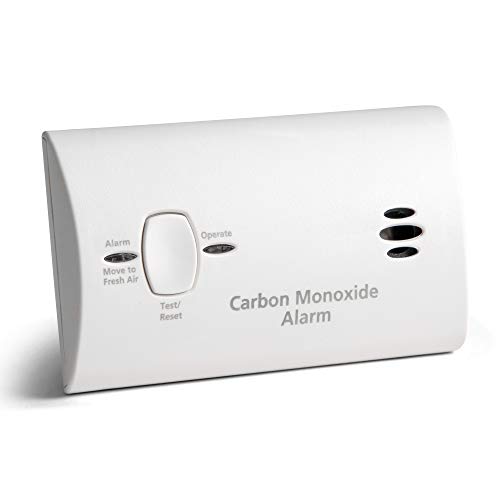
Kidde Carbon Monoxide Detector, AA Battery Powered, Portable for Travel or Home, 85 dB Alarm, LED Status Indicators, 3rd Edition
- Sensor Technology: Electrochemical CO detection
- Easy Installation: No wiring, portable on wall or tabletop
- Power Source: Operates on 2 AA batteries included
As an affiliate, we earn on qualifying purchases.
As an affiliate, we earn on qualifying purchases.
Carbon monoxide can be deadly
Gas appliances can produce carbon monoxide, also known by the name CO. This is a deadly gas. It is not colorable, odorable, or tasteable, but it can be toxic to animals and humans. In high concentrations, it can cause respiratory problems and even asphyxiation. It can also cause permanent damage to the heart. More than 2,200 people are killed each year from CO poisoning. Installing a carbon monoxide detector is a great way to protect yourself.
Itchy skin
Itchy skin can be one of the signs of too much exposure to air conditioning. It can be caused by dehydration from air conditioning or chemicals in the air. Itchy or flaky skin can result from constant dehydration. Itchy skin can also indicate chemical sensitivity.
Headaches
The extreme cold indoor air can cause headaches. A brain freeze can cause a throbbing headache. The brain freeze is similar in appearance to the one that occurs when you eat super cold food. To avoid this, you should keep the temperature of your room in a comfortable range of 75-78 degrees. To protect your head from the cold, you can wear a scarf or cap.
Blood clots
Air conditioners are one of the top causes of blood clots. Although the reason is not known, they could be responsible for your blood clotting. This article will provide the facts.
Environmental impact
Despite their convenience, air conditioners have a negative impact on the environment. They consume a lot of energy, which increases the demand for fossil fuels as well as increasing CO2 emissions. Furthermore, air conditioning units also create a lot of water vapour, which can lead to mould growth and respiratory problems. They can also attract insects, which can lead to mosquito-borne diseases.