If you’re considering radiant barriers to improve your home’s energy efficiency, you might wonder whether they truly deliver on their promises or just shine in theory. These reflective materials are designed to reduce heat transfer by bouncing radiant heat away, but their effectiveness can vary based on installation and climate. Understanding whether they’re a practical solution for your situation requires exploring how they work and what factors influence their performance.
Key Takeaways
- Radiant barriers reflect radiant heat, significantly reducing attic temperatures and improving energy efficiency in hot climates.
- Proper installation, especially beneath roof decking, is essential for radiant barriers to be effective.
- They work best when combined with other insulation types like fiberglass or foam.
- In cooler or less sunny climates, radiant barriers offer limited benefits.
- Overall, radiant barriers are a proven, cost-effective way to reduce cooling costs and enhance home comfort.

Radiant barriers are an effective way to reduce heat transfer in your home, especially during hot summer months. They work by reflecting radiant heat away from your living spaces, which helps keep your home cooler. Unlike traditional thermal insulation, which slows down heat conduction and convection, radiant barriers focus on blocking radiant heat, making them an excellent addition to your overall thermal insulation strategy. When installed correctly, they can substantially improve your home’s energy efficiency by reducing the workload on your air conditioning system. This means you’ll use less energy to maintain a comfortable temperature, leading to lower utility bills and a smaller environmental footprint.
Radiant barriers cut heat transfer, lowering energy bills and enhancing home comfort during hot summer months.
You might wonder how a simple reflective surface can make such a difference. The key lies in their ability to reflect radiant heat rather than absorb it. When sunlight hits your roof or attic, much of that heat radiates downward into your living space. A radiant barrier, usually a reflective foil or film, reflects that heat back toward the roof or away from your home altogether. This process prevents the attic from overheating and reduces the heat that transfers into your living areas. By minimizing this heat transfer, you enhance your home’s thermal insulation, which is essential during the peak of summer when outdoor temperatures soar.
Installing radiant barriers isn’t complicated, but it does require proper placement. To maximize their effectiveness, you should install them in your attic, ideally directly beneath the roof decking, facing the underside of the roof rafters. This positioning ensures they reflect radiant heat before it can warm the attic air. It’s important to note that radiant barriers are most effective in hot, sunny climates with high attic temperatures. They work best when combined with other insulation types, like fiberglass or foam, to address conductive and convective heat transfer. This multi-layered approach boosts your home’s overall thermal insulation, making it more resilient against temperature fluctuations.
Investing in radiant barriers can be a smart move if you’re aiming to improve your home’s energy efficiency. Not only do they help keep your home cooler naturally, but they also lessen your reliance on air conditioning, reducing energy consumption and costs. Since they are lightweight, easy to install, and non-toxic, radiant barriers are a practical solution for many homeowners. Keep in mind, though, that their effectiveness depends on proper installation and the specific climate you live in. When used as part of a thorough insulation plan, radiant barriers can make a noticeable difference in your home’s comfort and energy bills, proving that they do more than just shine—they work. Additionally, understanding home insulation techniques can help you optimize your entire home energy strategy for better comfort and savings.

Radiant Barrier Insulation Roll 1000 sq ft Xtreme Heavy Duty Reflective Attic Foil, 48-inch by 250-feet Perforated Breathable Double Reflective Aluminum House Wrap Thermal Roll
#1 Reason to Choose RadiantGUARD Xtreme – VERIFIED QUALITY – Meets & Exceeds ASTM C1313 Radiant Barrier Certification…
As an affiliate, we earn on qualifying purchases.
As an affiliate, we earn on qualifying purchases.
Conclusion
So, do radiant barriers really work, or do they just shine? The irony is, their reflective surface might be the least of their tricks—it’s the actual reduction in heat transfer that counts. If you install them properly, you’ll notice a cooler attic and lower energy bills. But don’t be fooled into thinking they’re a magic fix; they’re just a shiny addition that, surprisingly, can make your home more comfortable—and that’s no illusion.
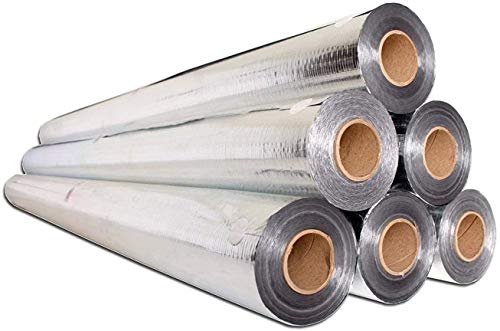
US Energy Products Radiant Barrier Insulation 1000 sqft (4ft Wide) Commercial Grade Perforated No Tear Green Energy Radiant Barrier Reflective Insulation Solar Attic Foil Roof House Wrap SCIF RIFD
1,000 SQUARE FEET PER ROLL: Our insulation foil roll measures 250 feet in length and is 4 feet…
As an affiliate, we earn on qualifying purchases.
As an affiliate, we earn on qualifying purchases.

HADOR Reflective Window Film Insulation Roll 48 in X 10 Feet, Foil Aluminum Roll Double-Sided Foam Core, Summer Window Heat Blocker for RV/Windows/Garage Door – Folded Package
Package Contents: HADOR Reflective Window Insulation kit has everything you need. It includes a 48 inch x 10…
As an affiliate, we earn on qualifying purchases.
As an affiliate, we earn on qualifying purchases.

Reach Barrier 3009 Garage Door Insulation Kit
Reach Barrier(Tm) Reflective Insulation And Bubble Barrier Technology Blocks Up To 95-Percent Of Radiant Heat Which Will Help…
As an affiliate, we earn on qualifying purchases.
As an affiliate, we earn on qualifying purchases.