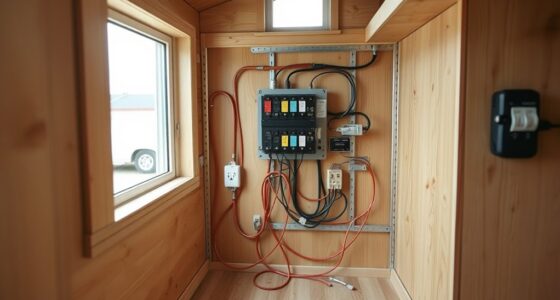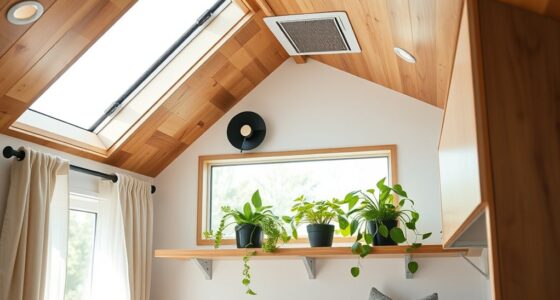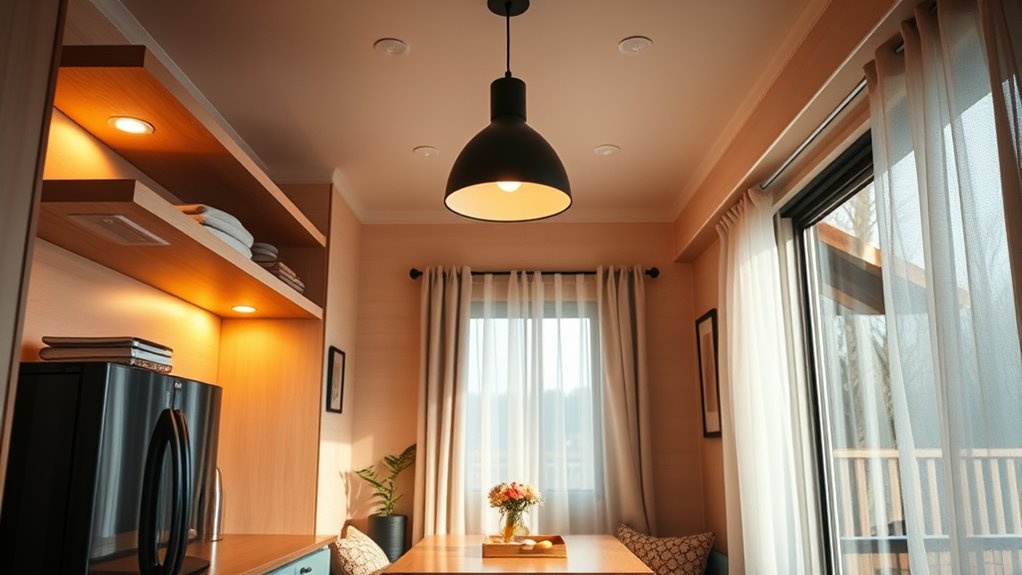

To optimize your tiny home lighting, focus on combining natural light with smart and solar-powered fixtures to maximize space and efficiency. Use adjustable and layered lighting to create different moods and functions, from bright task areas to cozy zones. Integrate smart tech for remote control and scheduling, and consider solar options for sustainability. These tips help you craft a flexible, energy-efficient space—so keep exploring to discover even more ways to light up your tiny home effectively.
Key Takeaways
- Utilize layered lighting, combining ambient, task, and accent lights to maximize space and functionality.
- Incorporate solar-powered fixtures for eco-friendly outdoor lighting and energy savings.
- Implement smart lighting systems for remote control, customizable brightness, and mood-setting options.
- Choose adjustable and multi-purpose fixtures to adapt to changing room needs without clutter.
- Stay updated with reliable sources on smart technology to ensure effective, current lighting solutions.

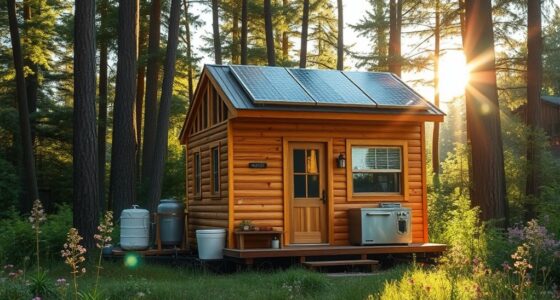
Lighting plays a essential role in maximizing the space and functionality of your tiny home. When you choose the right lighting, you can make your small space feel larger, more inviting, and highly practical. One effective way to achieve this is by incorporating solar powered fixtures. These lights are perfect for tiny homes because they don’t rely on complicated wiring or electrical outlets. Instead, they harness the power of the sun during the day and automatically turn on at dusk. Not only do solar fixtures save you money on energy bills, but they also add an eco-friendly touch to your home. You can place solar-powered pathway lights outside to illuminate walkways, or install solar-powered LED strips under cabinets and shelves to add subtle, energy-efficient lighting inside. These fixtures are easy to install and require minimal maintenance, making them ideal for small spaces where simplicity is key.
In addition to solar-powered options, smart lighting solutions can greatly enhance your tiny home’s ambiance and convenience. With smart lighting, you can control your lights remotely through your smartphone or voice commands. Imagine adjusting the brightness or changing colors to match your mood or activity without leaving your cozy spot. Smart bulbs and switches allow you to create different lighting zones within your tiny home, ensuring each area is perfectly lit for its purpose. For example, you can have bright light for cooking in the kitchen and softer, warmer tones for relaxing in the living area. These solutions also enable you to set schedules so your lights turn on or off automatically, helping you save energy and add a layer of security when you’re away.
Another advantage of smart lighting is its adaptability to small spaces. Since tiny homes often have multi-purpose rooms, smart lighting allows you to quickly change the atmosphere without cluttering your space with multiple fixtures. You can install adjustable fixtures that work with your smart system, providing flexibility to suit your daily needs. Combining smart lighting with solar-powered fixtures offers a sustainable, tech-savvy approach to tiny home lighting. You’ll enjoy energy efficiency, convenience, and a personalized environment that makes your small space feel truly comfortable and well-designed.
Additionally, understanding the potential for misinformation with outdated AI data highlights the importance of staying current with reliable technology sources, especially when integrating smart or AI-driven solutions into your home. Ultimately, by integrating solar powered fixtures and smart lighting solutions into your tiny home, you maximize both practicality and style. These choices not only save energy and reduce costs but also give you the ability to customize your environment effortlessly. With thoughtful lighting design, your tiny home becomes more than just a small space — it turns into a cozy, functional retreat that perfectly suits your lifestyle.

Greluna Solar Lights Outdoor,12 Pack 3000K Waterproof Auto On/Off Solar Pathway Lights for Your Garden, Landscape, Path, Yard, Patio, Driveway,Walkway Decor
Upgrade your outdoor lights experience with our exceptional solar lights. Featuring Edison style LED lamp bulb and high-transmittance…
As an affiliate, we earn on qualifying purchases.
As an affiliate, we earn on qualifying purchases.
Frequently Asked Questions
How Can I Maximize Natural Light in a Tiny Home?
You can maximize natural light in your tiny home by choosing light wall colors that reflect sunlight and make the space feel larger. Opt for large windows with minimal window treatments to let in as much light as possible. Use sheer curtains or blinds that can be easily opened to boost brightness without blocking sunlight. Strategically placing mirrors also helps bounce light around, creating a brighter, more open feel in your tiny home.
What Are Energy-Efficient Lighting Options for Small Spaces?
Think of your tiny home as a small garden that needs just the right light to thrive. You can choose energy-efficient options like LED strips, which cast bright, focused light with minimal power, or solar lanterns that harness the sun’s energy for eco-friendly illumination. Both options save electricity and create a cozy ambiance. These choices help you light up your space sustainably while keeping your energy bills low.
How Do I Install Smart Lighting Systems in a Tiny Home?
To install a smart lighting system in your tiny home, start by choosing a compatible smart switch that supports wireless control. Turn off the power at the breaker, then remove your existing switch and connect the smart switch according to the manufacturer’s instructions. Once installed, connect it to your Wi-Fi network, and use the app to control your lights remotely. This setup allows you to customize lighting effortlessly and save energy.
What Color Temperature Is Best for Tiny Home Lighting?
Did you know that 90% of people feel more relaxed with warm lighting? For your tiny home, choose color temperature options between 2700K and 3000K for cozy, mood-enhancing lighting. These warmer tones create inviting spaces and improve comfort. If you want a brighter, energizing vibe, go for 3500K to 4100K. Adjusting color temperature helps you tailor your tiny home’s ambiance to fit your mood and activities.
How Can I Incorporate Dimmable Lighting Effectively?
You can incorporate dimmable lighting effectively by installing dimming switches on your ambient lighting fixtures. Use dimming techniques like gradual adjustments to create the perfect mood and save energy. Incorporate layered ambient lighting with dimmable options in different zones, such as the living area and bedroom, so you can easily switch from bright to cozy. This flexibility enhances comfort and functionality, making your tiny home feel more spacious and inviting.

Linkind Smart Light Bulbs, Smart Bulb that Work with Alexa, Google Home, AiDot, LED Light Bulbs Color Changing RGBTW, 104 Preset Scene, Music Sync, Dotis, A19 E26 2.4G WiFi Bluetooth 60W 800LM, 4Pack
【Alexa & Google Home Voice Control: Hands-Free Convenience】As smart bulbs that work with Alexa & Google Home, it…
As an affiliate, we earn on qualifying purchases.
As an affiliate, we earn on qualifying purchases.
Conclusion
By thoughtfully layering your lighting, you create a cozy, functional tiny home. For example, install warm LED string lights along the ceiling for ambiance, add under-cabinet task lighting in the kitchen, and include a sleek reading lamp beside your bed. This combination guarantees your space feels inviting yet practical, maximizing every square inch. Remember, good lighting transforms small spaces into bright, welcoming retreats—so experiment with different styles and placements to find what works best for you.

Catalina Lighting Modern Multipurpose Spotlight Desk or Wall Mount Accent Lamp, 6", Dark Bronze, Pack of 1
SPOTLIGHT LAMP: A versatile, multi-functional lamp resembling a spotlight which can be displayed anywhere in your home for…
As an affiliate, we earn on qualifying purchases.
As an affiliate, we earn on qualifying purchases.
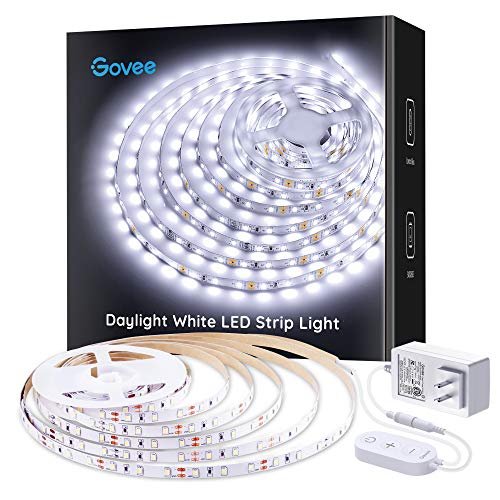
Govee White LED Strip Lights, Upgraded 16.4ft Dimmable LED Light Strip 6500K Bright Daylight White, Strong Adhesive, 300 LEDs Flexible Tape Lights for Mirror, Kitchen Cabinet, Bedroom, Christmas Decor
Bright LEDs: With 300 LEDs and 6500K color temperatures, you'll enjoy an incredibly bright illumination with improved color…
As an affiliate, we earn on qualifying purchases.
As an affiliate, we earn on qualifying purchases.