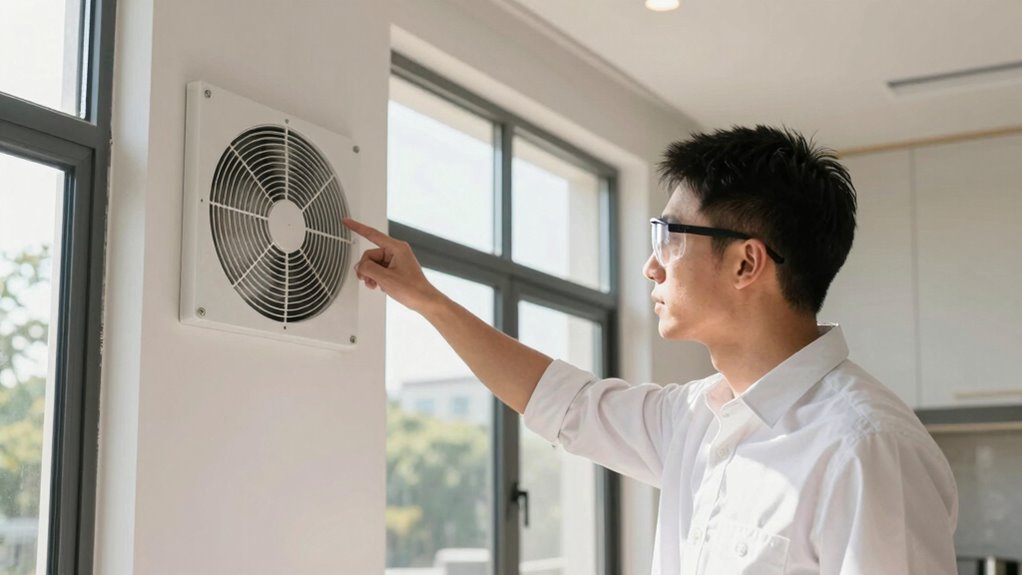

To optimize vent fan placement and cross-breeze planning, position fans where natural airflow can be amplified, aligning them with windows and doors for smooth circulation. Understand your local wind patterns and place vents on opposite sides to promote effective cross-ventilation. Keep obstructions away from openings and consider adjustable vents for seasonal changes. Regularly assess and tweak your system to maintain peak airflow and energy efficiency. For more tips on creating a healthier, more comfortable space, keep exploring these strategies.

Get compact home essentials delivered free with Prime
- Fast, free delivery on millions of items
- Prime Video, Amazon Music and more included
- Member-only deals all year
Key Takeaways
- Position vent fans to enhance natural cross-breezes by aligning with prevailing wind directions and existing openings.
- Place vents on opposite sides of the building to facilitate effective cross-ventilation.
- Keep obstructions away from vents and windows to optimize airflow and prevent disruptions.
- Use larger or taller vents combined with strategic fan placement to improve overall airflow efficiency.
- Regularly assess and adjust ventilation setup seasonally to maintain optimal airflow and energy efficiency.
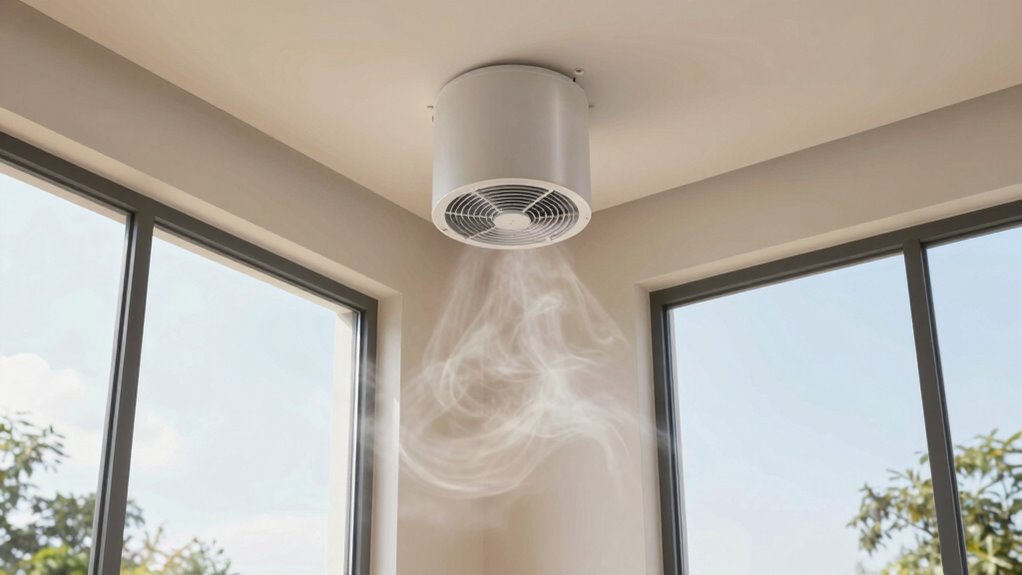
Creating an effective ventilation system involves more than just installing vent fans; it requires strategic planning to harness natural cross-breezes. Your goal is to maximize airflow enhancement so that fresh air flows through your space effortlessly, reducing reliance on mechanical systems and improving overall ventilation efficiency. To do this, you need to carefully consider the placement of vent fans in relation to windows, doors, and other openings. Position your fans where they can work with natural currents, amplifying the cross-breeze effect rather than working against it. This coordination ensures that air moves smoothly from one side of the building to the other, creating a continuous flow that refreshes the environment and removes stale air.
Strategically position vent fans to work with natural cross-breezes for optimal airflow and energy efficiency.
You should also pay attention to the orientation of your building in relation to prevailing winds. Understanding local wind patterns allows you to position vent fans and windows to take full advantage of natural airflow. For example, if prevailing winds come from the west, placing vents on opposite sides of the structure can encourage cross-ventilation. This strategic placement boosts ventilation efficiency because it leverages natural forces, reducing the need for constant fan operation and saving energy. It’s not just about having fans; it’s about creating a system that works harmoniously with the environment. Additionally, considering vent fan placement in relation to building orientation can significantly improve airflow performance. Incorporating airflow principles can further enhance the overall effectiveness of your ventilation system. Recognizing airflow patterns around your property can help you fine-tune your setup for optimal results.
Another key aspect of enhancing airflow involves controlling indoor and outdoor obstructions that might disrupt cross-breezes. Keep landscaping, furniture, or other barriers away from vents and windows to ensure unobstructed airflow. When designing your space, consider the height and size of openings, as larger or taller vents can facilitate greater airflow, especially when paired with well-positioned fans. Incorporating natural airflow principles into your planning can help optimize the efficiency of your ventilation system. Additionally, consider the use of adjustable vents or louvers that can be opened or closed depending on weather conditions or desired airflow levels, giving you more control over ventilation efficiency.
Finally, don’t forget to evaluate your system periodically. As seasons change and weather patterns shift, your ideal vent and fan configurations might need adjustments. Regularly assess how well your ventilation system performs and tweak placements or settings accordingly. By doing so, you’ll maintain peak airflow and ensure your ventilation system remains effective, energy-efficient, and responsive to your needs. When you thoughtfully integrate natural cross-breezes with mechanical ventilation, you’ll create a healthier, more comfortable environment that capitalizes on the natural forces around you.
adjustable vent fans for cross-ventilation
As an affiliate, we earn on qualifying purchases.
As an affiliate, we earn on qualifying purchases.
Frequently Asked Questions
How Do I Determine the Ideal Size for a Vent Fan?
To determine the ideal size for a vent fan, start by calculating your space’s volume and consulting ventilation standards, which recommend exchanging the air every 5-10 minutes. Choose a fan with enough capacity (measured in CFM) to meet this requirement, considering room size and use. Also, check fan noise levels to guarantee comfort; a quieter fan helps maintain a pleasant environment while providing effective ventilation.
Can Cross-Breezes Improve Indoor Air Quality Effectively?
Ever seen a gentle breeze sweep through an open window? Cross-breezes can considerably improve indoor air quality by enhancing airflow patterns, helping stale air escape and fresh air enter. They’re a natural, cost-effective way to boost ventilation lifespan without relying solely on mechanical systems. By strategically opening windows on opposite sides, you create effective cross-ventilation that refreshes your space, making it healthier and more comfortable.
What Are the Best Locations for Installing Vent Fans?
You should install vent fans near moisture sources like bathrooms and kitchens, where ventilation types matter most. Place them high on walls or ceilings to optimize airflow patterns, ensuring stale air exits efficiently. In living areas, position fans to promote cross-ventilation, enhancing airflow patterns. Proper placement maximizes the effectiveness of ventilation types, improves indoor air quality, and helps maintain a fresh, healthy environment.
How Do Weather Conditions Affect Cross-Breeze Efficiency?
Weather conditions markedly impact your cross-breeze efficiency. Wind patterns direct airflow, so a consistent breeze boosts cross-ventilation, while variable or calm winds diminish it. Temperature variations also matter; cooler air entering the space creates a natural pull, enhancing airflow, whereas hot, stagnant air reduces effectiveness. To optimize cross-breeze, plan vent placements considering local wind patterns and seasonal temperature changes to maintain a steady, effective flow of fresh air.
Are There Energy-Efficient Options for Vent Fans?
You can choose energy-efficient options like ENERGY STAR-rated vent fans that save power while providing effective ventilation. Look for eco-friendly ventilation designs with motion sensors or timers to minimize unnecessary operation. Implementing energy saving tips such as regular maintenance, proper sizing, and smart controls helps optimize airflow while reducing energy consumption. These eco-conscious choices guarantee you enjoy fresh air without wasting energy, making your home both comfortable and environmentally friendly.
Conclusion
By strategically placing vent fans and planning cross-breezes, you can transform your home into a fresh, energy-efficient haven. Imagine opening your windows on a warm day, letting a gentle breeze flow through as your vent fans work silently to keep the air clean and cool. This simple setup not only improves comfort but also reduces your energy bills. With a little planning, you’ll enjoy a healthier, more invigorating living space all year round.
Halloween Picks
halloween
As an affiliate, we earn on qualifying purchases.