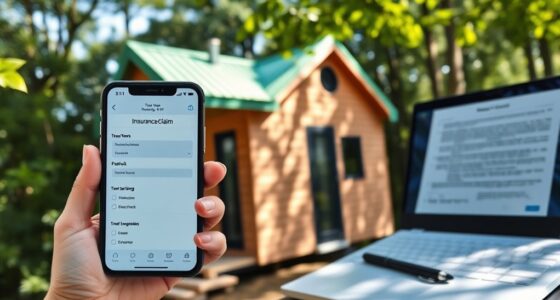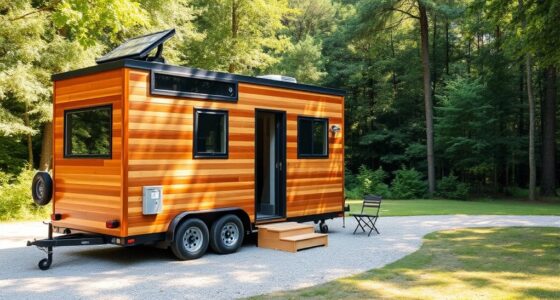

Understanding insurance for DIY builders is vital to protect yourself from unexpected setbacks, liabilities, and property damage during your project. It covers injuries to visitors or neighbors and can help with legal and repair costs. However, policies often include exclusions for certain types of work or damages, so it’s important to review your coverage carefully and discuss options with your insurer. Stay informed to make sure your project is fully protected as you progress.
Key Takeaways
- Insurance protects DIY builders from unexpected setbacks, legal liabilities, and property damage during construction projects.
- Liability coverage safeguards against injuries to visitors and damage to third-party property.
- Policies often include exclusions for certain construction types, non-licensed work, or natural disasters.
- Overlooking policy exclusions can lead to uncovered incidents and significant out-of-pocket expenses.
- Reviewing policies thoroughly and consulting with insurers ensures adequate coverage tailored to DIY building projects.
If you’re planning to take on a DIY building project, understanding how insurance works for your efforts is essential. When you’re working on your own, it’s easy to overlook the risks involved, but having the right coverage can protect you from unexpected setbacks. One of the most important aspects to consider is liability coverage. This part of your insurance policy helps shield you if someone gets injured on your property or if you accidentally cause damage to someone else’s property. For example, if a visitor trips over your tools or a neighbor’s fence gets damaged during your construction, liability coverage can help cover the costs of legal fees and repairs. It’s vital to ensure your policy offers sufficient liability protection, especially since DIY projects often involve unfamiliar risks. Additionally, understanding the types of materials and construction methods permitted under your policy can prevent coverage issues, as some policies exclude coverage for certain building techniques or non-standard materials.
However, you also need to be aware of policy exclusions. These are specific conditions or situations that your insurance policy doesn’t cover, and overlooking them can leave you vulnerable. For instance, many standard policies exclude coverage for certain types of construction or if you’re not licensed or trained in building activities. If you’re attempting a complex project that requires specialized skills, your insurer might deny coverage if something goes wrong. Additionally, policies may exclude coverage for damage caused by neglect or improper use of materials, so it’s crucial to read the fine print carefully. Some policies also exclude coverage for certain natural disasters or specific types of accidental damage, which could be relevant depending on your location and project scope.
Understanding these exclusions is just as important as knowing what’s covered. If you don’t pay attention to policy exclusions, you might assume you’re protected in situations where you’re actually not. This can lead to significant out-of-pocket expenses if an incident occurs. Before starting your project, review your insurance policy thoroughly, and if needed, speak with your insurer to clarify what is covered and what isn’t. Consider purchasing additional coverage if your project involves high risks or complex work. Doing so ensures you’re not caught off guard by exclusions that could jeopardize your financial stability. Being aware of specialized coverage options can help you tailor your insurance to better fit your DIY building needs.
Frequently Asked Questions
Do DIY Builders Need Special Insurance Coverage?
Yes, as a DIY builder, you need special insurance coverage like builder’s risk insurance to protect your project. During project planning, it’s vital to take into account coverage that safeguards against theft, damage, or accidents on-site. This type of insurance guarantees you’re financially protected if unforeseen issues occur. Don’t skip it, as builder’s risk coverage is essential for covering costs and avoiding potential financial setbacks during your DIY project.
How Do Insurance Policies Differ for DIY Projects?
Insurance policies for DIY projects differ mainly in risk assessment and policy exclusions. You’ll find some policies offer broader coverage, but often exclude certain risks like DIY work or structural issues. It’s essential to review the policy carefully, ensuring it accounts for the specific risks your project faces. You might need to customize coverage or seek specialty insurance to fill gaps, so you stay protected throughout your DIY build.
Can I Insure Tools and Equipment Separately?
You can often insure tools and equipment separately, and it’s a smart move for better tool valuation and equipment protection. Many insurers offer specialized policies or endorsements that cover these items individually, helping you get accurate compensation if they’re damaged or stolen. Check with your provider to see if they have separate coverage options, ensuring your tools are fully protected without affecting your main policy.
What Liabilities Are DIY Builders Typically Responsible For?
As a DIY builder, you’re typically responsible for liabilities like property damage, injuries to others, and accidents on-site. To manage these risks, you need proper liability coverage as part of your insurance. Effective risk management involves understanding your potential liabilities and making sure your policy covers legal costs and damages. By doing so, you protect yourself financially and ensure a safer building process, reducing surprises during your project.
How Does Insurance Coverage Change During Different Project Phases?
Think of your project as a journey through shifting landscapes, where insurance coverage adapts like a chameleon. During each project phase—planning, construction, finishing—you’ll see coverage adjustments reflecting your evolving needs. Early on, coverage might focus on liability and property damage, while later, it shifts to completion and warranty protections. Staying aware of these changes guarantees you’re always shielded, no matter which part of the adventure you’re on.
Conclusion
Now that you understand the ins and outs of insurance for DIY builders, you’re better equipped to protect your project and avoid any “flying too close to the sun” moments. Remember, it’s worth the peace of mind to have the right coverage in place. Think of it as your trusty shield, just like in those old chivalric tales. Stay smart, stay insured, and keep building with confidence—your masterpiece is worth it!