

Prefab tiny homes for cold climates are built with high R-value insulation and airtight seals to keep your interior warm during harsh winters. They often include efficient heating solutions like mini-split heat pumps, radiant floor heating, or electric heaters that minimize energy use. Proper insulation and quality construction help reduce drafts and heat loss, ensuring comfort year-round. Keep exploring to discover how these smart design choices can make your tiny home cozy and sustainable in any cold environment.
Key Takeaways
- High R-value insulation materials like spray foam and rigid foam boards ensure warmth in cold climates.
- Prefab tiny homes incorporate airtight seals and thermal breaks to prevent drafts and heat loss.
- Heating solutions such as ductless mini-split heat pumps and radiant floor heating provide efficient warmth.
- Proper insulation reduces energy needs, enhancing sustainability and comfort during harsh winters.
- Prefab designs are tailored for durability and energy efficiency, making them ideal for year-round cold climate living.
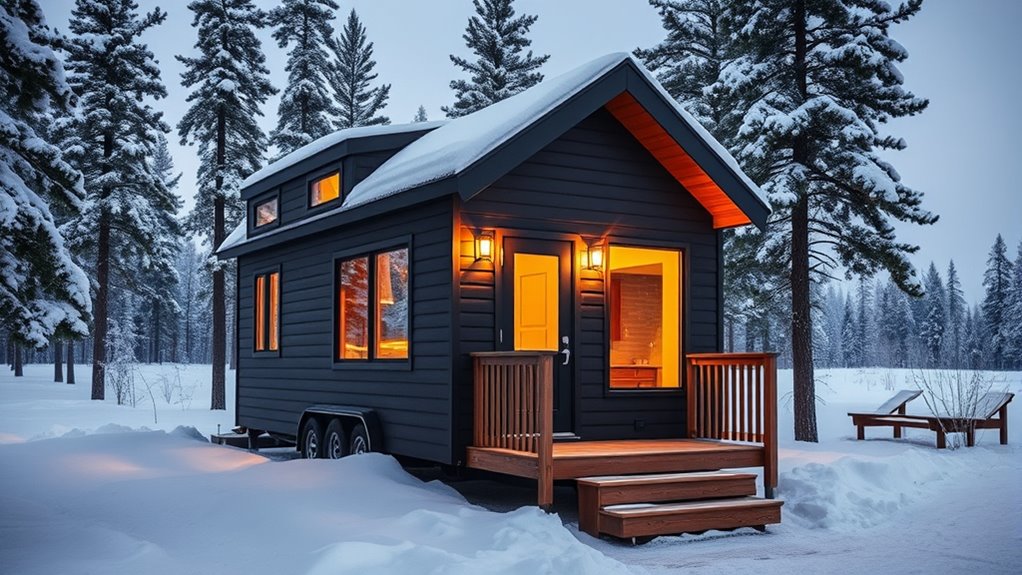
Have you ever considered how prefab tiny homes can transform your idea of modern living? If you’re thinking about settling into a cozy space in a cold climate, these homes offer more than just compact charm—they’re designed to keep you warm and comfortable year-round. The key lies in smart insulation techniques and innovative heating solutions that work together to create a highly efficient living environment. When you choose a prefab tiny home for cold weather, you’re investing in a structure carefully crafted to withstand harsh conditions without sacrificing style or functionality.
Insulation techniques are the backbone of a tiny home’s ability to retain heat. Modern prefab designs often incorporate high R-value insulation in walls, floors, and ceilings, which considerably reduces heat transfer. Materials like spray foam, rigid foam boards, or mineral wool are common because they provide superior thermal resistance. Some builders also add thermal breaks and airtight seals to minimize drafts and prevent heat from escaping through gaps. These strategies guarantee that the interior remains warm even during the coldest months, reducing your reliance on energy-intensive heating systems and lowering utility bills. Additionally, the use of high-performance insulation enhances overall energy efficiency and comfort.
High R-value insulation and airtight seals keep tiny homes warm and energy-efficient in winter.
Alongside effective insulation, choosing the right heating solutions is vital. Many prefab tiny homes come equipped with compact, energy-efficient options such as ductless mini-split heat pumps. These systems are excellent because they provide both heating and cooling, are easy to install, and operate with minimal energy consumption. Electric baseboard heaters or radiant floor heating are also popular choices, especially when paired with well-insulated walls, since they can evenly distribute warmth without creating drafts. Some homeowners opt for a small wood stove or pellet heater as a supplemental or backup heat source, adding a cozy, traditional touch that’s also highly effective in cold climates.
Combining insulation techniques with advanced heating solutions results in a tiny home that’s not only warm but also sustainable. You’ll notice that with proper insulation, your heating system doesn’t have to work as hard, which means fewer emissions and lower costs. Plus, prefab homes are designed with precision, ensuring tight seals and consistent insulation coverage, so there are no cold spots or drafts to disrupt your comfort. This thoughtful design makes living in cold climates not just feasible but enjoyable.
In the end, prefab tiny homes for cold climates deliver more than just a compact space—they offer a smart, efficient, and comfortable way to embrace minimalism without sacrificing warmth. With the right combination of insulation techniques and heating solutions, you can enjoy a cozy home that withstands winter’s worst while keeping your energy use in check.

Handy Home Products Charleston Value Gable 10×10 Do-It-Yourself Wooden Storage Shed with Floor, 2×3 framing- Does not Include Paint or Roofing Shingles
Personalize your Storage Shed the way you want it – purchase paint and shingles (both sold separately)
As an affiliate, we earn on qualifying purchases.
As an affiliate, we earn on qualifying purchases.
Frequently Asked Questions
How Do Prefab Tiny Homes Handle Extreme Cold Weather?
Prefab tiny homes handle extreme cold weather by incorporating snow retention features on the roof, preventing snow buildup that could cause damage. You’ll find efficient interior heating systems, like insulated walls and energy-efficient windows, that keep the space warm. These homes are designed to withstand low temperatures, ensuring you stay comfortable even in harsh winter conditions. Proper insulation and snow retention are key to maintaining warmth and safety in cold climates.
What Insulation Materials Are Best for Cold Climates?
Think of insulation as a warm blanket for your tiny home. For cold climates, use materials like spray foam or rigid foam boards, which provide high R-values with less thickness. Aim for at least 4 inches of insulation to prevent thermal bridging and keep warmth inside. These materials reduce heat loss efficiently, just like layering blankets keeps you cozy on a winter night, ensuring your tiny home stays warm and energy-efficient.
Are There Prefab Tiny Homes With Renewable Energy Options?
Yes, prefab tiny homes often include renewable energy options like solar panels and small wind turbines. You can easily integrate solar panels on the roof to generate electricity, even in cold climates. Wind turbines can supplement power, especially in windy areas. These features help you reduce reliance on grid energy, lower your carbon footprint, and stay energy-efficient during harsh winters. Many manufacturers now offer models with these eco-friendly options built-in.
How Do Prefab Tiny Homes Prevent Frozen Plumbing?
Did you know that proper insulation can reduce frozen pipes by up to 85%? To prevent frozen plumbing, you should insulate your pipes thoroughly, especially in exposed areas. Use plumbing insulation and consider installing heat cables in vulnerable spots. Keep the indoor temperature consistent, even when you’re away, and open cabinet doors to allow warm air to circulate around pipes. These steps help keep your plumbing functional during cold weather.
What Snow Load Considerations Are There for Design?
You should consider roof snow load and snow drift challenges when designing your tiny home. Make certain the roof is strong enough to support heavy snow accumulation, preventing structural failure. Address snow drift challenges by designing roofs with appropriate slopes or windbreaks to minimize snow buildup in certain areas. Incorporate durable materials and proper insulation to handle the weight and moisture, keeping your tiny home safe and resilient during winter storms.
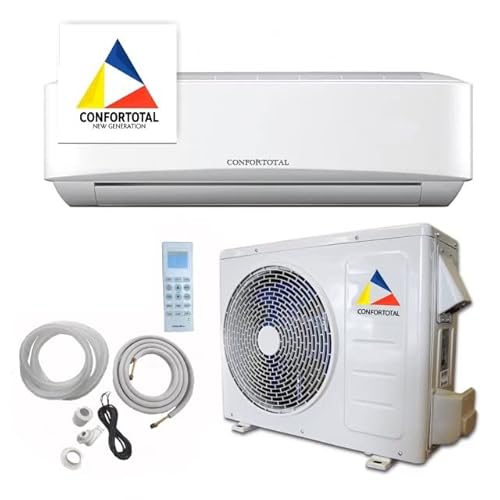
Confortotal 12000 BTU Mini Split Air Conditioner and Heat Pump 110V Ductless,1 ton,with WIFI Compatible with Alexa
Confortotal mini split with wifi compatible with Alexa & Google
As an affiliate, we earn on qualifying purchases.
As an affiliate, we earn on qualifying purchases.
Conclusion
Prefab tiny homes designed for cold climates offer a cozy, efficient way to embrace small living without sacrificing comfort. With modern insulation, advanced heating, and quick construction, you can enjoy warmth even during the coldest months. Imagine stepping into a space just 200 square feet, yet feeling the same warmth as a traditional home—this is the power of innovative tiny homes. Embrace the future of sustainable, compact living tailored for chilly weather.

BLARALA Electric Radiant Floor Heating System, 100 Sq.ft Electric Heated Floor Mats for Bathroom, Includes Programmable Thermostat, Heat Mat, Installation Monitor, and Temperature Sensors
LUXURY AND COMFORT: Heated floor system includes 100 sq. ft. (120 volt) floor heating mat, cable monitor/alarm, programmable…
As an affiliate, we earn on qualifying purchases.
As an affiliate, we earn on qualifying purchases.

Generic Garage Door Insulation Kit, White EPS Foam Panels, 8 Pack, 1.25x20x54 Inches, R-Value 9.0, Temperature Control, Noise Reduction, DIY Installation, One Car Garage (High Density – Laminated)
DIMENSIONS: Each panel measures 1.25 inches thick x 20 inches wide x 54 inches long, with 8 panels…
As an affiliate, we earn on qualifying purchases.
As an affiliate, we earn on qualifying purchases.