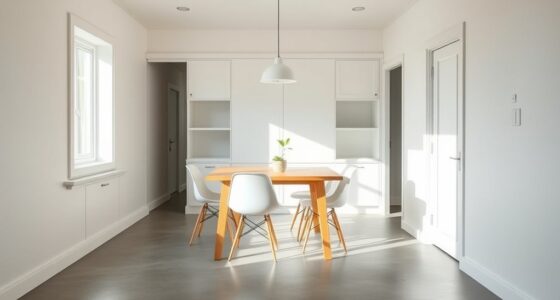
To create a minimalist garden in your tiny yard, focus on simplicity, purposeful plant choices, and subtle lighting. Use sleek, low-maintenance plants like boxwoods or sculptural succulents, placing them strategically to avoid clutter. Incorporate streamlined fixtures such as recessed or solar path lights to highlight key features and extend usability. Emphasizing clean lines and a sense of openness, you’ll craft a tranquil outdoor space that feels larger and more inviting — with tips designed to make every element count.
Key Takeaways
- Focus on simple, intentional layouts with focal points to maximize visual impact in small spaces.
- Select a cohesive plant palette with sleek, low-growing shrubs and statement plants to maintain harmony.
- Use subtle, sleek lighting fixtures like recessed or solar path lights to enhance ambiance without clutter.
- Incorporate container plants with minimalist designs to add flexibility and avoid overcrowding.
- Prioritize functional design elements that create a sense of spaciousness and tranquility.

Minimalist garden design focuses on simplicity and intentionality, creating serene outdoor spaces that emphasize clean lines and uncluttered layouts. When working within a tiny yard, every element must serve a purpose, making thoughtful plant selection essential. Opt for a limited palette of plants that complement each other in form and color. Choose sleek, low-growing shrubs like boxwoods or compact evergreen varieties that provide structure without overwhelming the space. Incorporate a few statement plants, such as a tall bamboo or a sculptural succulent, to add visual interest without clutter. The key is to avoid overcrowding; instead, focus on creating focal points that draw the eye and give your yard a sense of harmony.
Embrace simplicity with a curated plant palette, strategic focal points, and uncluttered design for a tranquil tiny yard.
Lighting plays an indispensable role in minimalist design, especially in small outdoor spaces where ambiance can markedly influence the perception of size. Outdoor lighting should be subtle yet effective, highlighting key features like a neatly trimmed hedge or a simple stone pathway. Use sleek, understated fixtures such as recessed lights or slimline wall-mounted lamps to cast soft illumination. Strategically placed solar-powered path lights can guide visitors through your yard without disrupting the clean aesthetic. Proper lighting not only enhances safety but also extends the usability of your outdoor space into the evening hours, creating a peaceful retreat after sunset. Additionally, understanding garden lighting techniques can help you choose the best fixtures to enhance your minimalist aesthetic.
When selecting plants, prioritize their shape, texture, and color to maintain a cohesive look. Avoid overly ornate or frilly varieties that can make the space feel busy. Instead, choose plants with clean lines and simple forms. For instance, grasses with linear blades or sculptural succulents can add texture without cluttering the visual field. Container plants also work well, allowing you to keep the layout flexible and maintain a tidy appearance. Use containers with minimalist designs, such as matte black or concrete, to complement the overall aesthetic.
In terms of outdoor lighting, keep the fixtures minimal and functional. Focus on highlighting the natural beauty of your plants and structural elements rather than overwhelming the space with bright, numerous lights. A single well-placed spotlight can accentuate a focal plant or feature, while soft ambient lighting creates a relaxing atmosphere. Remember, in a tiny yard, less is often more. The combination of carefully chosen plants and thoughtfully placed outdoor lighting will help you craft a tranquil, balanced outdoor space that feels expansive despite its size.

SUNTHIN Outdoor Landscape Lighting, 4 Pack Outdoor Spot Lights with Transformer for Yard, Plant, Lawn, Tree, Flags, House, Garden, Fence Use, IP65 Waterproof & Connectable
【Integrated LED Technology, No Need to Change Light Bulb】High-quality LED chips provide warm white glow. The upgraded lens…
As an affiliate, we earn on qualifying purchases.
As an affiliate, we earn on qualifying purchases.
Frequently Asked Questions
How Do I Choose Plants Suitable for Tiny Gardens?
To choose plants suitable for tiny gardens, focus on plant selection that maximizes space and visual appeal. Opt for compact, slow-growing varieties and consider container gardening to control growth and placement. Look for plants with similar light and water needs to simplify maintenance. Use vertical space with hanging or wall-mounted planters, and select low-maintenance, drought-tolerant options to keep your tiny garden thriving and beautiful.
What Are Space-Saving Furniture Options for Small Yards?
You should opt for space-saving furniture like multi-functional pieces that serve multiple purposes, such as benches with storage or foldable tables. Incorporate vertical gardening to maximize your yard’s space, allowing plants to grow upward instead of outward. These choices keep your tiny yard open and functional, giving you more room to enjoy your garden. Combining vertical gardening with multi-functional furniture creates a minimalist, efficient, and stylish outdoor space.
How Can I Add Privacy in a Minimalist Small Garden?
To add privacy in your minimalist small garden, incorporate garden art and outdoor sculptures strategically. Place tall sculptures or vertical planters along the boundaries to create a visual barrier without cluttering the space. Use sleek, simple designs that complement the minimalist style. You’ll enjoy enhanced privacy while maintaining an open, airy feel—making your tiny yard feel cozy yet spacious.
What Lighting Techniques Enhance Tiny Garden Spaces?
You can enhance your tiny garden space by using strategic lighting techniques like solar lanterns and string lights. Solar lanterns add a soft, ambient glow and are eco-friendly, perfect for highlighting pathways or focal points. String lights drape along walls or overhead, creating a cozy, inviting atmosphere without overwhelming the small area. Together, these lighting choices brighten your garden, making it feel larger while emphasizing its minimalist charm.
Are There Any Cost-Effective Minimalist Design Ideas?
Yes, you can create a stunning minimalist garden without breaking the bank. Start with budget-friendly plants like succulents and native species that thrive with minimal care. Get creative with DIY garden features—think homemade planters or simple stone pathways—that add character without high costs. By focusing on simple, purposeful design, you’ll enjoy a beautiful, serene space that’s both affordable and easy to maintain.

Eyrosa Solar Outdoor Lights, 10 Pack Waterproof Stainless Steel Solar Stake Lights for Pathway Garden Yard Path Walkway Driveway Lawn Patio Outside Decor, Cool White
UNIQUE PATENTED SOLAR PATHWAY LIGHTS: US Patent intellectual property protected. Upgraded solar garden lights adopts a one-piece lamp…
As an affiliate, we earn on qualifying purchases.
As an affiliate, we earn on qualifying purchases.
Conclusion
By embracing simplicity, choosing purpose, and focusing on clean lines, you create a peaceful, functional space. Keep your design uncluttered, your plants purposeful, and your materials minimal. Let your tiny yard become a reflection of calm, clarity, and balance. With mindful choices, you’ll enjoy a serene sanctuary that feels spacious, welcoming, and effortlessly beautiful. Ultimately, minimalist garden design transforms your small outdoor area into a personal retreat you’ll cherish every day.
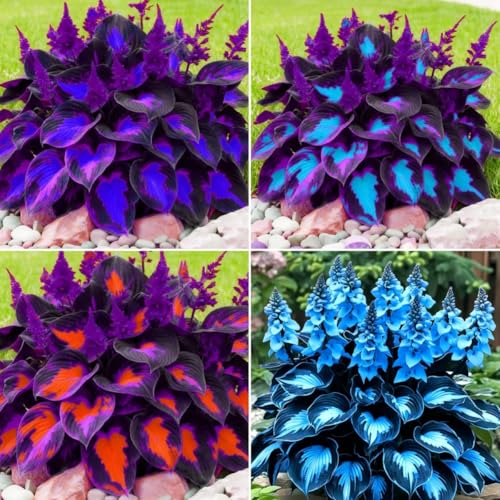
Hosta Seeds, 99 Pieces, Perennial Shade Garden Plants for Indoor and Outdoor, Low Maintenance
VERSATILE PLANTING: Suitable for both indoor and outdoor gardens, these Hosta seeds thrive especially well in shaded areas
As an affiliate, we earn on qualifying purchases.
As an affiliate, we earn on qualifying purchases.

Keter Urban Bloomer 12.7 Gallon Raised Garden Bed and Outdoor Herb Garden Planter with Self Watering Gauge and Drainage Plug, Dark Grey
DIMENSIONS: 32. 3 in. L x 14. 7 in. W x 30. 7 in. H
As an affiliate, we earn on qualifying purchases.
As an affiliate, we earn on qualifying purchases.