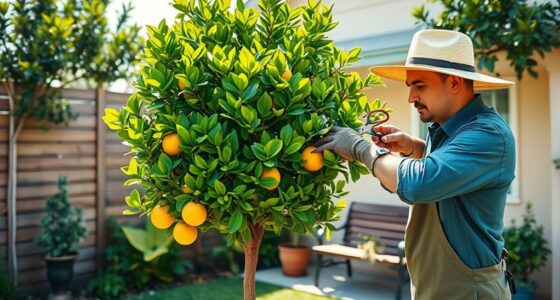
To make the most of small lots and tiny house yards, choose compact shade trees like Japanese maples, dogwoods, or serviceberries, which grow up to 25 feet and offer seasonal beauty. Proper placement helps maximize shade while avoiding damage to structures and utilities. Regular maintenance, like pruning and mulching, keeps these trees healthy and safe. If you want to discover more tips for selecting and caring for ideal trees, keep exploring how to create a beautiful, functional outdoor space.
Key Takeaways
- Choose small, fast-growing trees like Japanese maples or dogwoods for effective shade without overwhelming limited space.
- Prioritize species with manageable root systems to prevent damage to structures and utilities.
- Plant trees strategically to maximize shade coverage while avoiding interference with buildings or fences.
- Regularly prune and maintain trees to promote healthy growth and safe canopy size.
- Incorporate mulching and watering practices to support tree health in compact urban yards.

Planting shade trees on small lots can transform your outdoor space into a cool, inviting retreat. When you focus on urban planting, choosing the right trees becomes essential to maximize shade without overwhelming your yard. Small lots and tiny house yards demand trees that grow well in confined spaces, provide ample canopy, and require minimal maintenance. Picking the right species helps create a comfortable outdoor environment while maintaining your yard’s aesthetic and functionality.
Choosing the right shade trees for small yards creates comfortable, beautiful outdoor retreats with minimal maintenance.
You should consider trees that are naturally suited for urban planting, such as Japanese maples, dogwoods, or serviceberries. These varieties tend to stay manageable in size, often reaching heights of 15 to 25 feet, making them ideal for small spaces. They also offer beautiful seasonal interest—vivid fall foliage, spring blossoms, or attractive bark—adding visual appeal year-round. When selecting trees, keep in mind the growth habits and root systems, ensuring they won’t interfere with your home’s foundation or underground utilities. Proper planning helps prevent future issues and keeps your yard safe and beautiful.
Once you’ve planted your shade trees, ongoing tree maintenance becomes vital. Regular pruning encourages healthy growth, removes dead or diseased branches, and shapes the canopy to optimize shade coverage. Proper pruning can also prevent limbs from becoming hazards during storms. Mulching around the base of the tree conserves moisture, suppresses weeds, and protects roots from temperature extremes. Watering is crucial, especially during dry spells, to help your trees establish strong root systems. A consistent watering schedule supports healthy growth and ensures your trees thrive in the limited space. Additionally, understanding the importance of contrast ratio in maintaining the visual quality of your outdoor space can help you select trees with foliage that provides the right amount of shade and sunlight filtering. Incorporating professional services for regular inspections can also help maintain your trees’ health and safety.
In small lots, you’ll also want to think about the placement of your trees to maximize shade while avoiding interference with structures, fences, or outdoor living areas. Strategic planting can create shaded zones perfect for relaxing or entertaining, all while keeping your yard feeling open and spacious. Proper tree placement is essential for balancing shade, growth, and safety in compact spaces. Additionally, selecting trees with compatible root systems can help prevent damage to nearby structures and underground utilities. Understanding the role of auditory processing and sound management in urban environments can also contribute to creating a peaceful outdoor space. Remember, urban planting isn’t just about aesthetics—trees also improve air quality and provide habitat for local wildlife, making your yard a more vibrant and sustainable space.

Bloodgood Red Japanese Maple Tree – 2 Year Live Plant – Acer palmatum 'Bloodgood' by – Japanese Maples and Evergreens
🍁 Iconic Japanese Maple – Acer palmatum ‘Bloodgood’ with deep red foliage spring to fall
As an affiliate, we earn on qualifying purchases.
As an affiliate, we earn on qualifying purchases.
Frequently Asked Questions
How Long Do Shade Trees Typically Take to Mature?
Shade trees typically take 10 to 20 years to fully mature, depending on the species. When selecting your tree, consider growth rate considerations to guarantee it reaches your desired size within your timeline. Fast-growing options like silver maple or honey locust can provide shade sooner, while slower-growing trees like oak or walnut take longer but offer sturdy, long-lasting shade. Proper care and planting conditions also influence their growth speed.
Are There Specific Root Types Suitable for Tiny Yards?
Think of roots as the foundation of a house—you want sturdy, compatible support. For tiny yards, choose trees with a limited root spread, like serviceberries or dwarf maples, which have non-invasive root systems. Always check soil compatibility to guarantee healthy growth. These root types stay within small spaces, preventing damage to foundations or underground utilities, making them perfect for compact lots where space is precious.
Can Shade Trees Be Planted Near Foundations Safely?
Yes, you can plant shade trees near foundations safely if you follow proper tree planting guidelines. To guarantee foundation safety, choose trees with non-invasive root systems and plant them at a safe distance—usually at least half the mature canopy’s width away from your home. Regularly inspect roots and prune if necessary, and consult local experts to select the best tree species, minimizing the risk of damage to your foundation over time.
What Maintenance Is Required for Small Shade Trees?
Maintaining small shade trees means managing meticulous pruning techniques and following fertilization schedules. You should prune regularly to promote healthy growth and prevent overgrowth, shaping the tree and removing dead or diseased limbs. Fertilize seasonally to boost vigor, using appropriate formulas for your tree type. Keep an eye on pests and water consistently. With careful care, your small shade tree will stay strong and stunning, providing shade and serenity for years to come.
Do Shade Trees Attract Pests or Wildlife?
Shade trees can attract pests and wildlife, but it depends on the species you choose. Some trees might draw pest attraction, such as insects or rodents, while others encourage wildlife interaction, like birds or squirrels. To minimize issues, select native or pest-resistant trees and keep an eye on your yard. Regular maintenance, like pruning and clean-up, helps reduce pest attraction and makes your yard a safe, enjoyable space.

Dogwood Tree Live Plant, Flowering Dogwood Plant Well Rooted in Quart Pot, Dormant Hardy Ornamental Tree (Pink Dogwood)
Curently in dormant condition
As an affiliate, we earn on qualifying purchases.
As an affiliate, we earn on qualifying purchases.
Conclusion
As you thoughtfully select your shade trees, remember that even the tiniest yard can become a welcoming retreat. With careful choices, you’ll create a gentle canopy that offers comfort and charm without overwhelming your space. These trees will quietly whisper stories of shade, serenity, and subtle beauty, turning your small lot into a cozy haven. Embrace the journey of planting a little piece of nature’s artistry — a soft, leafy embrace waiting just for you.
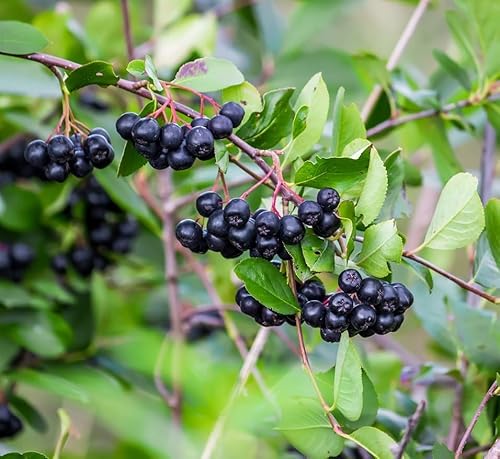
Black Chokeberry Live Plants – Aronia melanocarpa – 1 Year Old Seedlings – Grow Your Own Antioxidant-Rich Superfood Berry Tree – Hardy, Fast-Growing, Ideal for Garden or Container Planting (5 Plants)
ORNAMENTAL BUSH: 1 Year Old Seedlings to Grow. Chokeberries are cultivated as ornamental plants and also because they…
As an affiliate, we earn on qualifying purchases.
As an affiliate, we earn on qualifying purchases.
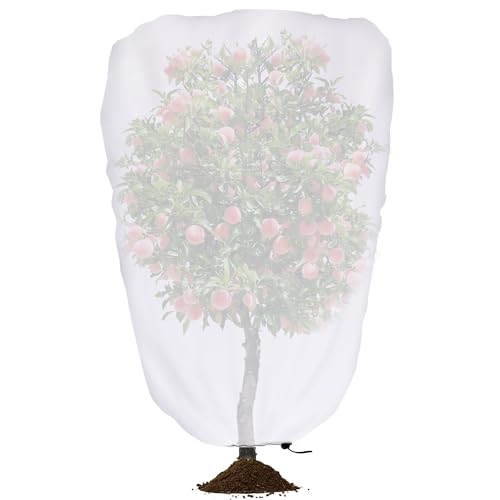
DECOHS 6.5 x 5 Ft Garden Plant Shade Cover with Drawstring, Garden Shade Sun Protection Plant Covers, White Light Refraction Fruit Tree Sunshade Cloth for Protect Plants from Direct Sunlight
Full Spectrum White Light Refraction: Our shade cover for garden can not only effectively block strong direct sunlight,…
As an affiliate, we earn on qualifying purchases.
As an affiliate, we earn on qualifying purchases.