Living in a tiny house makes your daily habits more visible because there’s limited space, so everything you do impacts the environment immediately. Clutter and routines are harder to hide, and small messes stand out, encouraging you to tidy up quickly. Your habits become more deliberate as you use multifunctional furniture and focus on quality over quantity. If you want to discover how these habits shape a more mindful lifestyle, keep exploring how tiny homes influence behavior.
Key Takeaways
- Limited space makes daily habits highly visible and harder to hide or ignore.
- Small environments require intentional organization, exposing clutter and disorganization quickly.
- Essential routines become more noticeable due to constant proximity to belongings.
- Constrained space encourages deliberate habits to optimize functionality and reduce clutter.
- Minimal storage emphasizes conscious decision-making, revealing habits related to possessions and routines.
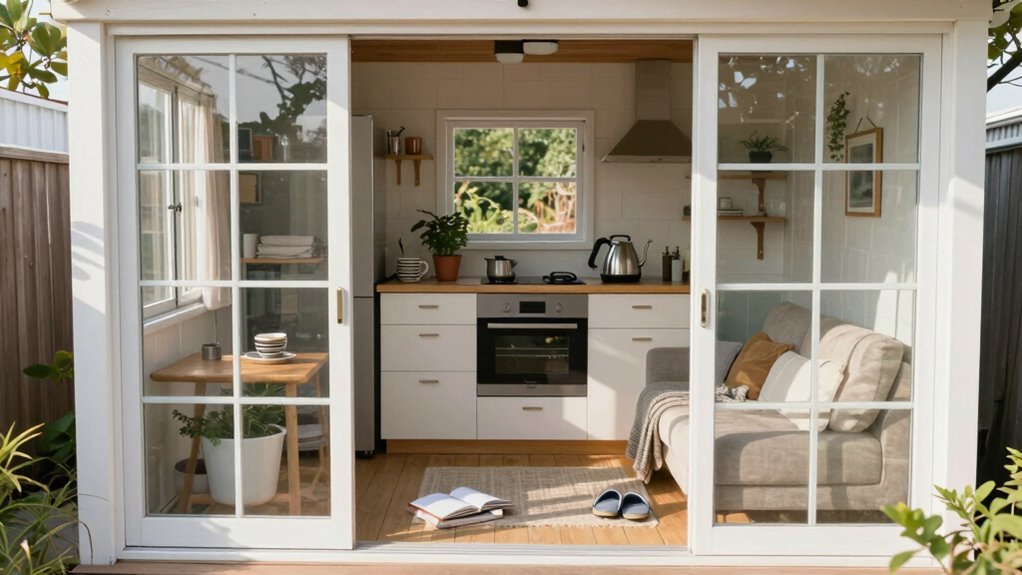
Living in a tiny house often encourages you to develop new habits that promote simplicity and intentional living. Because space is so limited, you quickly realize that every item you keep needs a purpose. This naturally leads to habits centered around space optimization—carefully considering what you truly need and eliminating clutter. With less room to spread out, you become more deliberate about your possessions and daily routines. You learn that the way you arrange your environment directly influences your mental clarity and peace. A smaller space also makes it easier to incorporate local art exhibitions and other community events into your routine, fostering a stronger connection to your surroundings.
In a larger home, it’s easier to ignore clutter or let habits slide because you have space to hide messes or stash things away. But in a tiny house, these habits surface faster because you’re more aware of everything. When you’re limited in space, even small messes can feel overwhelming, pushing you to develop routines that prevent clutter from accumulating. For instance, you might establish a habit of putting things back immediately after using them or dedicating five minutes each day to tidy up. These small actions quickly become ingrained because they directly impact your living experience. The compact nature of tiny homes forces you to be more intentional about what you keep and how you use your space, making your habits more visible and more influential.
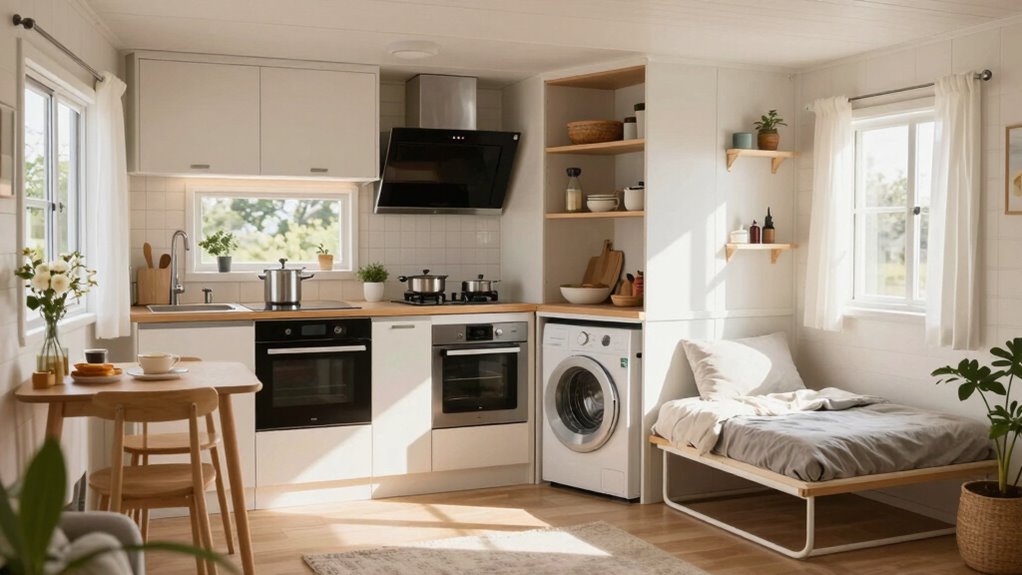
Furthermore, living tiny naturally leads to a mindset of minimal living, which shapes your daily routines. You start prioritizing quality over quantity, choosing multifunctional furniture, and reducing unnecessary possessions. These choices require conscious habits, like evaluating whether new items are truly needed or if they’ll just create clutter. Over time, this intentional approach to living spills into other areas of your life—your schedules, your consumption habits, your social interactions—making you more mindful of how you spend your time and energy. Tiny houses don’t just highlight habits; they accelerate their formation. The constraints of small space push you to adopt behaviors that, in a bigger house, might take years to develop or might go unnoticed altogether. Additionally, natural light plays a crucial role in fostering a sense of openness and calm, which further supports the development of mindful routines. Incorporating herbal wellness practices into your daily routine can enhance this sense of calm and mindfulness, creating a more holistic approach to your tiny living experience. Moreover, understanding and managing indoor air quality becomes more critical in small spaces to ensure a healthy living environment. The use of electric bikes and other eco-friendly transportation options can also influence your daily routines by encouraging sustainable habits outside your home.

Garvee Folding Dining Table with Storage, Folding Kitchen Table with 6 Wheels, Drawer & Shelves, Compact Dining Table for Small Spaces
- Space-Saving Folding Design: Ideal for small spaces and versatile use
- Seats 4 Comfortably: Fully extended for family or guests
- Easy Folding & Storage: Folds down for compact storage or alternative uses
As an affiliate, we earn on qualifying purchases.
As an affiliate, we earn on qualifying purchases.
Frequently Asked Questions
Do Tiny Houses Increase Daily Productivity and Organization?
Yes, tiny houses can boost your daily productivity and organization. Their minimalist design reduces clutter, helping you focus on what matters. Space optimization encourages you to prioritize essentials and develop better habits. When everything has a designated spot, you’re less likely to waste time searching. Living in a tiny house simplifies your environment, making it easier to stay organized and motivated, ultimately increasing your productivity every day.
How Do Tiny Homes Influence Long-Term Habit Formation?
Tiny homes influence your long-term habit formation by encouraging space efficiency and minimalist routines. Because of limited space, you naturally prioritize essential tasks and eliminate clutter, fostering discipline. This environment makes it easier to stick to habits like regular cleaning, organization, or mindful consumption. Over time, these minimalist routines become ingrained, supporting sustainable habits that promote a more intentional and balanced lifestyle.
Can Tiny Living Improve Mental Health and Well-Being?
Living in a tiny house can boost your mental health and well-being by encouraging mindful routines and reducing stress. With less space, you naturally simplify your environment, which helps you focus on what truly matters. The minimalist lifestyle fosters intentional habits, reducing clutter and chaos. As a result, you’ll find it easier to relax, stay present, and enjoy a calmer, more balanced life.
What Are Common Challenges in Maintaining Habits in Small Spaces?
In small spaces, maintaining habits can be tough because of space limitations and privacy concerns. You might find it hard to establish routines when your environment feels cramped or noisy, making focus tricky. Privacy concerns can also disrupt your habits, especially if shared spaces aren’t private enough. To stay consistent, set specific zones for different activities and communicate boundaries with housemates, creating a better environment for your habits to thrive.
Do Tiny Houses Promote More Sustainable Lifestyle Choices?
Think of tiny houses as your personal eco-friendly spotlight, shining on your habits. They promote a more sustainable lifestyle by encouraging minimal waste and eco-conscious choices. With less space, you’re naturally driven to reduce, reuse, and recycle. This smaller footprint makes it easier to live intentionally, turning everyday decisions into powerful acts of environmental care. Tiny houses don’t just save space—they inspire you to live greener, smarter, and more consciously.
Conclusion
So, next time you step into a tiny house, remember—your habits aren’t just hidden away; they’re on full display. Every corner, every routine, reveals more than you think. Will you embrace this transparency or hide behind walls of comfort? The truth is, tiny houses don’t just shrink your space—they magnify your habits, exposing who you really are. Are you ready to face what your daily routines say about you? The choice is yours.