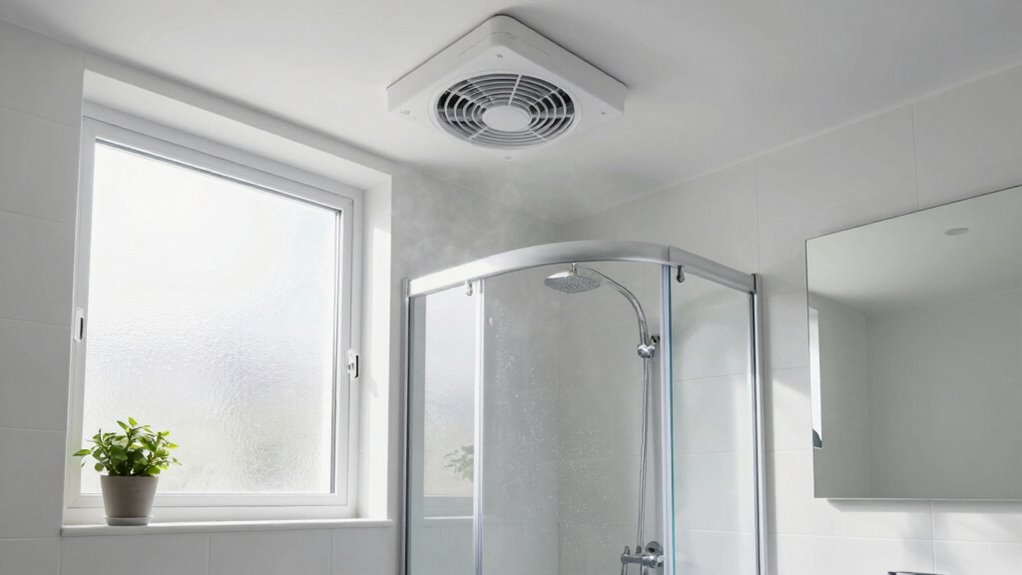

In your tiny house, bathroom ventilation is more important than it seems because small spaces can quickly trap moisture, leading to mold, odors, and structural damage that threaten your sustainability goals. Proper airflow prevents these issues and protects eco-friendly materials like bamboo and reclaimed wood. Using efficient exhaust fans or passive vents helps keep the air fresh, odor-free, and healthy. Keep exploring to discover how the right ventilation can make your tiny house safer and more sustainable.

Get compact home essentials delivered free — and shop member deals
- Fast, free delivery on millions of items
- Access to Prime Big Deal Days deals on October 6–7
- Prime Video, Amazon Music and more included
Key Takeaways
- Tiny house bathrooms generate high humidity that can quickly lead to mold, mildew, and structural damage without proper ventilation.
- Limited space amplifies odors and airborne pollutants, requiring efficient airflow to maintain air quality.
- Proper ventilation protects eco-friendly materials from moisture damage, extending the lifespan of sustainable building components.
- Energy-efficient ventilation systems help minimize moisture-related issues while aligning with tiny house sustainability goals.
- Adequate ventilation supports a healthier, fresher environment essential for small, confined living spaces.
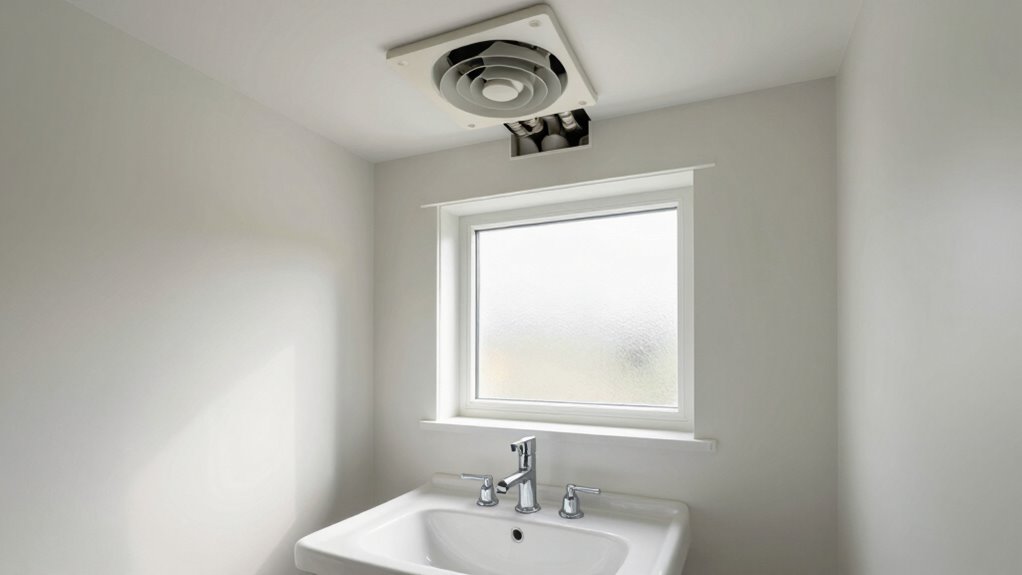
When it comes to tiny houses, bathroom ventilation is essential for maintaining a fresh, healthy environment. In such a small space, every element counts—especially when it comes to airflow. Proper ventilation prevents excess moisture, which can lead to mold, mildew, and structural damage over time. Since tiny houses often emphasize sustainable materials, choosing eco-friendly options like bamboo, reclaimed wood, or recycled composites, it’s crucial to ensure these materials stay in good condition. Moisture buildup can quickly compromise their integrity, so a well-ventilated bathroom helps preserve your investment and keeps the living environment safe. Additionally, integrating airflow management techniques can significantly enhance overall ventilation efficiency. Space optimization is a key aspect of tiny house design, and your bathroom isn’t an exception. An efficient ventilation system takes up minimal space while providing maximum airflow. Compact exhaust fans or vent fans designed for small areas are ideal—they’re easy to install, unobtrusive, and highly effective at removing humidity. You might also consider passive ventilation methods, like operable windows or vents, which don’t require electricity and can supplement mechanical systems. These options keep the bathroom well-ventilated without sacrificing precious space or adding clutter. Good bathroom ventilation isn’t just about removing moisture; it’s also about controlling odors and improving overall air quality. In a tiny house, where confined spaces can make smells linger longer, a quality exhaust system ensures that air circulates efficiently. This not only enhances comfort but also contributes to healthier living conditions, reducing allergens and airborne pollutants. When you choose ventilation solutions, look for energy-efficient models that blend seamlessly with your interior design, maintaining the aesthetic while delivering optimal performance. Another aspect to consider is how ventilation intersects with your tiny house’s sustainability goals. Proper airflow reduces the need for chemical air fresheners or dehumidifiers, which often consume more energy and introduce additional materials into your space. Instead, you rely on natural or low-energy ventilation strategies that align with your eco-conscious mindset. Effective bathroom ventilation also helps protect your sustainable materials from moisture damage, extending their lifespan and minimizing waste. In the end, prioritizing better bathroom ventilation in your tiny house isn’t just about comfort—it’s a smart, sustainable choice. It helps maintain a healthy environment, preserves your carefully selected eco-friendly materials, and maximizes the efficient use of your limited space. When you give attention to ventilation, you’re creating a safer, fresher, and more sustainable home that truly fits the tiny house lifestyle.
compact bathroom exhaust fan for tiny house
As an affiliate, we earn on qualifying purchases.
As an affiliate, we earn on qualifying purchases.
Frequently Asked Questions
How Does Bathroom Size Affect Ventilation Requirements?
Bathroom size directly impacts ventilation needs because larger spaces generate more humidity, requiring better humidity management. Smaller bathrooms may need less powerful fans, but larger ones demand higher air exchange rates to prevent mold and odors. You should select ventilation systems that match your bathroom’s size to maintain air quality. Proper airflow ensures moisture doesn’t build up, keeping your tiny house comfortable and safe.
Can Natural Ventilation Suffice in Tiny House Bathrooms?
Think of your tiny house bathroom like a small garden needing fresh air. Natural airflow can help, but it often isn’t enough to guarantee proper ventilation efficacy. Relying solely on natural ventilation might leave moisture trapped, causing mold and odors. To keep your tiny house safe and comfortable, consider supplementing natural airflow with exhaust fans or air vents, ensuring effective moisture removal and air quality.
What Are the Energy Costs of Different Ventilation Systems?
The energy costs vary depending on your ventilation options. Exhaust fans are generally energy-efficient, using minimal power to ventilate your tiny house bathroom effectively. Heat recovery ventilators (HRVs) cost more upfront but save energy long-term by recycling heat, boosting efficiency. Natural ventilation is the cheapest but may not be reliable in all weather. Choosing the right system balances initial costs with ongoing energy efficiency, ensuring your tiny house stays comfortable without high utility bills.
How Often Should Bathroom Vents Be Cleaned or Maintained?
You should clean your bathroom vents every six months to maintain ideal air quality and guarantee their ventilation lifespan. Imagine a tiny house owner neglecting this; mold and odors could build up, compromising air quality. Regular maintenance prevents buildup of dust and debris, keeping the ventilation system efficient and extending its lifespan. Consistent cleaning also helps your system work better, safeguarding your home’s air quality over time.
Are There Any Building Codes for Tiny House Bathroom Ventilation?
Yes, there are building codes for tiny house bathroom ventilation, focusing on ventilation standards to prevent bathroom mold. You must guarantee proper airflow, typically through exhaust fans or vents, to meet local regulations. These codes aim to reduce moisture buildup and improve air quality, especially in compact spaces like tiny houses. Check your local building authority’s requirements to ensure your bathroom ventilation system complies with all safety and health standards.
Conclusion
In a tiny house, proper bathroom ventilation isn’t just a detail; it’s the heartbeat of a healthy space. Without it, mold, odors, and moisture can quickly take over, turning your cozy haven into a breeding ground for problems. Think of good ventilation as the lungs of your tiny home—keeping everything fresh and breathable. Don’t undervalue its power; it’s the silent guardian that ensures your small space remains comfortable, safe, and inviting for years to come.
Halloween Picks
halloween
As an affiliate, we earn on qualifying purchases.