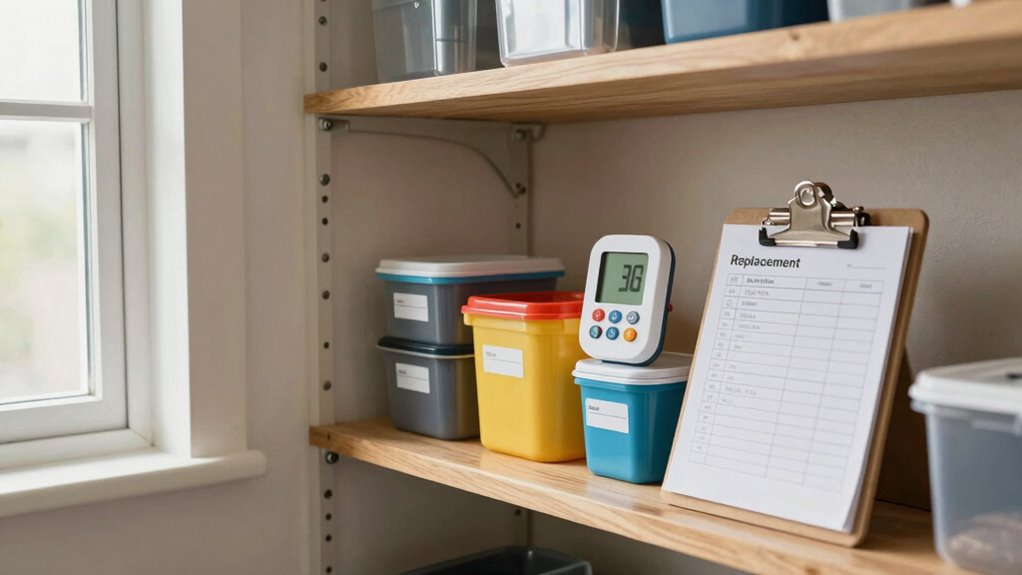

To budget effectively for big system replacements in a small home, start by researching current costs and setting aside a dedicated savings fund. Automate monthly transfers to build funds gradually, and get quotes from licensed professionals for accurate estimates. Prioritize energy-efficient upgrades to save money long-term and schedule regular maintenance to extend system lifespan. Staying informed about new technologies will help you make smart choices. Keep going to discover more helpful tips for long-term planning.
Listen free for 30 days with Audible
Thousands of audiobooks and originals — cancel anytime.
As an affiliate, we earn on qualifying purchases.
Key Takeaways
- Estimate replacement costs by obtaining quotes from licensed professionals for each major system.
- Create a dedicated savings account and automate regular transfers to build funds gradually.
- Track system age, maintenance history, and performance to predict when replacements may be needed.
- Prioritize energy-efficient upgrades to maximize long-term savings and reduce future replacement expenses.
- Plan for future costs by adjusting savings based on market prices and potential system innovations.
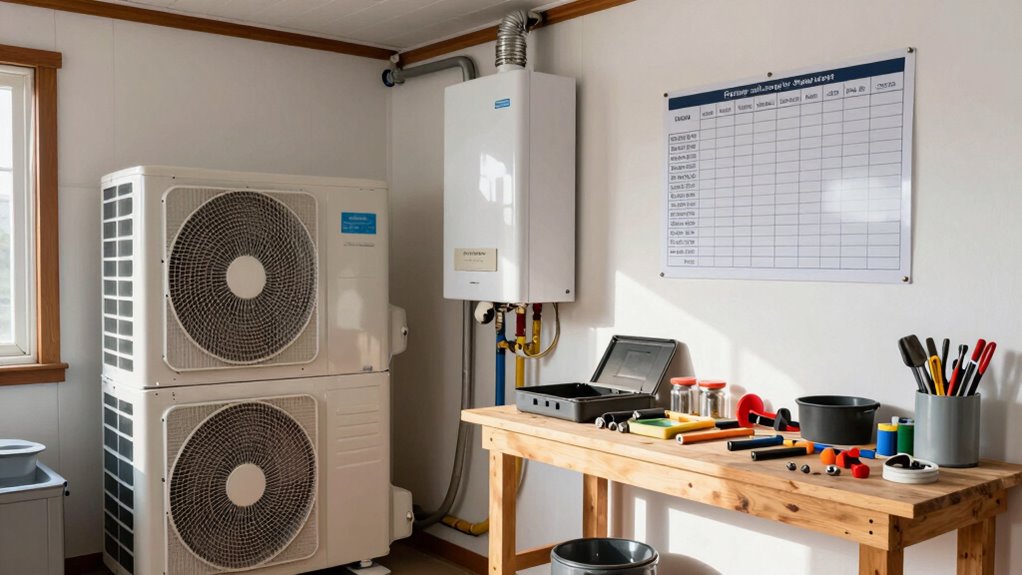
Even in a small home, big systems like HVAC, water heaters, or electrical panels can lead to costly replacements if you’re not prepared. These essential systems are often the most significant expenses when it comes to home maintenance and upgrades. To manage your finances effectively, you need a clear plan that accounts for future costs and minimizes surprises. One of the best ways to start is by understanding the importance of energy efficiency. Upgrading to energy-efficient models can reduce your long-term maintenance costs and lower your utility bills. While energy-efficient systems might have higher upfront costs, they pay off over time by consuming less power and requiring fewer repairs. As you plan your budget, prioritize these upgrades to maximize savings and avoid sudden expenses that can strain your finances.
Prioritize energy-efficient upgrades to cut long-term costs and prevent unexpected home system expenses.
Next, consider the lifespan of your home’s major systems. Knowing when your HVAC, water heater, or electrical panel will likely need replacement helps you set aside funds gradually. Typically, an HVAC system lasts around 10 to 15 years, while water heaters and electrical panels can last 8 to 12 years. Keep detailed records of maintenance and repairs, as these will give you clues about when a system might be nearing the end of its life. Regular maintenance can extend the lifespan of these systems and reduce the frequency and cost of repairs. Budget for routine inspections, filter replacements, or minor repairs—these small investments prevent larger, more costly issues down the line. Additionally, understanding system technology can help you choose models that are more durable and efficient, saving you money in the long run. Staying informed about home system innovations can also guide you toward upgrades that are more compatible with modern energy standards. Being aware of energy protocols and how they influence system performance can further optimize your home’s efficiency and longevity. Incorporating smart home systems can also provide real-time insights into your systems’ health, helping you catch issues early and avoid costly repairs. Furthermore, keeping up with advances in renewable energy solutions might open opportunities for even greater savings and sustainability.
Creating a dedicated savings account for big system replacements ensures you won’t be caught off guard. Automate monthly transfers so that funds accumulate steadily over time. When the time comes to replace a major system, you’ll have the money ready without disrupting your daily budget. It’s also smart to get quotes from licensed professionals for future replacements, so you have an idea of current costs. This way, you’ll know how much to save and can adjust your contributions if prices fluctuate.
Finally, stay proactive about maintenance. Address issues early, and don’t delay repairs, as neglect can lead to more significant damage and higher costs. Regularly reviewing your systems’ performance and energy efficiency helps you catch problems before they become expensive. By planning ahead, prioritizing efficiency, and setting aside funds gradually, you can keep your small home’s big systems running smoothly without financial stress. This approach ensures you’re prepared for inevitable replacements and keeps your home comfortable and efficient for years to come.
As an affiliate, we earn on qualifying purchases.
Frequently Asked Questions
How Often Should I Review My Replacement Budget?
You should review your replacement budget at least once a year. Regularly checking your maintenance schedules helps you stay on top of upcoming costs, while updating your cost estimation guarantees your budget remains accurate. Life spans of big systems vary, so annual reviews allow you to adjust for inflation, unexpected expenses, or system upgrades. Staying proactive prevents surprises and keeps your home well-maintained without financial stress.
What Unexpected Costs Might Arise During System Replacements?
During system replacements, unexpected expenses can pop up, like repair delays or discovering additional damage. You might also face higher costs for parts or labor than anticipated. These surprises can strain your budget if you’re not prepared. To handle this, set aside a contingency fund and stay flexible with your plans. Being aware of potential repair delays and extra costs helps you manage surprises without stressing your finances.
How Do I Prioritize Which Systems to Replace First?
Think of your home systems as a symphony—some instruments need tuning sooner. Start with systems nearing the end of their lifespan, like your HVAC or water heater, because they’re more likely to break down first. Prioritize replacements based on urgency, cost, and impact on daily life. Good replacement planning means tackling the most critical systems first, ensuring your home remains harmonious without unexpected disruptions.
Can Insurance Cover Any Replacement Costs?
Insurance claims can sometimes cover replacement costs, but coverage limitations often apply. You should review your policy carefully to understand what’s included, especially for major systems like HVAC or plumbing. Contact your insurer promptly after a problem occurs to file a claim. Keep detailed records and receipts, as these will help support your case. Remember, not all damages or replacements are fully covered, so budgeting for out-of-pocket costs is still wise.
What Financing Options Are Available for Major Replacements?
You have several financing options for major replacements, like utilizing home equity loans or lines of credit, which often offer lower interest rates. You might also consider personal loans or special financing plans from contractors. Explore loan options that suit your financial situation, and compare terms carefully. Home equity is a valuable resource, so leveraging it can make big system replacements more manageable without straining your budget.
Conclusion
Remember, planning ahead for big system replacements is like steering your ship through a storm—you’ll navigate smoother if you’re prepared. By setting aside funds now, you avoid being caught off guard when those essential systems need replacing. Think of it as your financial lighthouse, guiding you safely through uncertain waters. With a proactive budget, your small home becomes a fortress, resilient against the inevitable. Stay vigilant, plan wisely, and you’ll weather any storm that comes your way.
Flea & tick season Picks
flea and tick prevention
As an affiliate, we earn on qualifying purchases.