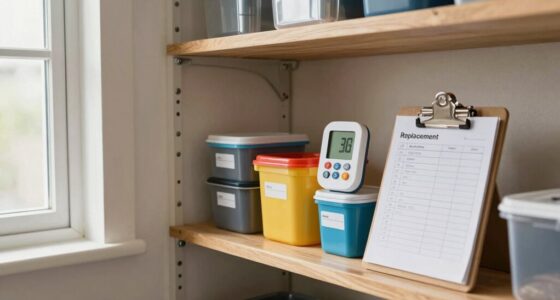

To build a tiny house sinking fund for repairs, start by estimating typical costs like roof repairs, plumbing, and electrical issues using past experiences or online insights. Set a monthly savings goal based on your income and automize transfers to stay consistent. Consider insurance as a safety net but don’t rely solely on it. Keep a preventive maintenance plan in place and review your strategy regularly. If you’re curious, you’ll find more tips to help you stay prepared.

Get compact home essentials delivered free with Prime
- Fast, free delivery on millions of items
- Prime Video, Amazon Music and more included
- Member-only deals all year
Key Takeaways
- Estimate common repair costs and set a realistic monthly savings target.
- Automate transfers to your sinking fund to ensure consistent contributions.
- Regularly review and adjust savings based on repair needs and house condition.
- Combine the fund with insurance coverage to prepare for major and minor repairs.
- Implement preventive maintenance and safety measures to reduce repair frequency and costs.

Maintaining a tiny house requires proactive planning, especially when it comes to repairs and unexpected expenses. One of the best ways to stay ahead of potential costs is by building a dedicated sinking fund. This fund acts as a financial safety net, guaranteeing you’re prepared when things go wrong. To do this effectively, you need to understand the importance of tiny house insurance, which can help cover major damages, and integrate repair timeline planning into your financial strategy. Having a clear plan allows you to allocate a specific amount regularly toward repairs, so you’re not caught off guard by sudden expenses.
Proactive planning with a sinking fund and insurance keeps tiny house repairs manageable and stress-free.
Start by estimating the typical costs associated with maintaining a tiny house. Consider common repairs like roof leaks, plumbing issues, or electrical failures. Look at past repair experiences, if available, or consult online communities to get a realistic idea. Once you have an estimate, set a monthly savings goal that aligns with your income and budget. This way, you steadily build your fund without feeling overwhelmed. Consistency is key, so automate transfers to this account to make saving effortless. Additionally, exploring landscape maintenance can help prevent issues caused by overgrown vegetation or poor drainage that could lead to costly repairs.
It’s also essential to verify your tiny house insurance into your planning. Insurance can cover significant damages or losses, but it doesn’t always pay for minor repairs or wear and tear. Your sinking fund complements your insurance by covering costs insurance might not fully address. For example, if your roof needs a repair and your insurance deductible is high, having dedicated savings ensures you can pay out of pocket without financial strain. Regularly review your insurance coverage to make sure it matches your tiny house’s value and your specific needs. Additionally, understanding vehicle protection accessories can help you safeguard your tiny house during transport or storage, reducing potential repair costs. Incorporating knowledge about the risks associated with tiny house ownership can further prepare you to handle unexpected situations effectively. Staying informed about potential hazards and maintenance tips can help extend the lifespan of your tiny house components and prevent costly repairs in the future. Planning ahead with a detailed repair timeline ensures you’re systematically addressing maintenance needs before they escalate into costly issues.
As an affiliate, we earn on qualifying purchases.
Frequently Asked Questions
How Much Should I Initially Save for My Tiny House Repair Fund?
You should initially save at least 10-15% of your tiny house’s value for repairs and maintenance. Consider your tiny house insurance costs and create a detailed maintenance schedule to estimate potential expenses. This approach helps you build a realistic sinking fund, ensuring you’re prepared for unexpected repairs and routine upkeep, preventing financial stress down the line. Regular contributions keep your tiny house in top condition and protected.
What Types of Repairs Should I Prioritize Saving for First?
You should prioritize saving for essential repairs first, like fixing plumbing or the roof, since studies show 60% of tiny house issues stem from these areas. Addressing permitting requirements early prevents costly legal troubles, while decorating ideas can wait until the structure is secure. By focusing on foundational repairs and permits, you safeguard your investment. Save consistently for these priorities, ensuring your tiny home remains safe, functional, and compliant.
How Often Should I Review and Adjust My Sinking Fund?
You should review and adjust your sinking fund regularly, ideally aligning with your maintenance schedule—perhaps quarterly or biannually. During these reviews, update your cost estimation based on any recent repairs or price changes. This approach helps guarantee your fund remains adequate for upcoming maintenance needs, preventing surprises. Regularly revisiting your plan keeps your tiny house well-maintained and your financial goals on track.
Can I Use a High-Yield Savings Account for This Fund?
Yes, you can use a high-yield savings account for your sinking fund. It’s a smart investment strategy for long-term planning because it offers better interest rates than regular savings accounts, helping your fund grow faster. This approach keeps your money safe and easily accessible for repairs or emergencies. Regularly review and adjust your contributions to stay on track with your tiny house repair goals, maximizing your savings efficiency.
What Unexpected Repairs Might I Need to Budget For?
Did you know that about 30% of tiny house repairs involve foundation concerns or plumbing upgrades? You should budget for unexpected issues like shifting foundations, which can cause cracks or instability, and plumbing problems, such as leaks or pipe deterioration. These repairs can be costly and urgent, so it’s smart to set aside funds specifically for these surprises. Being prepared helps keep your tiny house safe and functional in the long run.
Conclusion
Building a tiny house sinking fund might seem like overkill until that unexpected leak or roof repair hits. Ironically, the small amount you set aside now can save you big headaches—and money—later. So, while saving may feel unnecessary at first, it’s the smart move that keeps your cozy space cozy and stress-free. After all, tiny houses aren’t so tiny when repairs pile up, and your fund is the only thing standing between you and chaos.
Halloween Picks
halloween
As an affiliate, we earn on qualifying purchases.