When choosing between flexible and rigid solar panels for your tiny house roof, consider your roof shape and budget. Flexible panels are lightweight, easy to install on curved or unconventional surfaces, and don’t require mounting hardware, making them ideal for unique roofs. Rigid panels are more efficient, durable, and provide better long-term value, especially if your roof is flat or slightly angled. Want to discover which option best suits your tiny house? Keep exploring!
Key Takeaways
- Flexible panels are ideal for curved or complex tiny house roofs due to their conformability and easy installation.
- Rigid panels offer higher efficiency and durability, making them suitable for flat or slightly angled tiny house roofs.
- Flexible panels are lighter and easier to install, reducing mounting costs on small, unconventional roof surfaces.
- Rigid panels generally provide better long-term performance and weather resistance, ensuring longevity for tiny house setups.
- Cost considerations and energy needs influence whether flexible or rigid panels are a more economical choice for tiny homes.
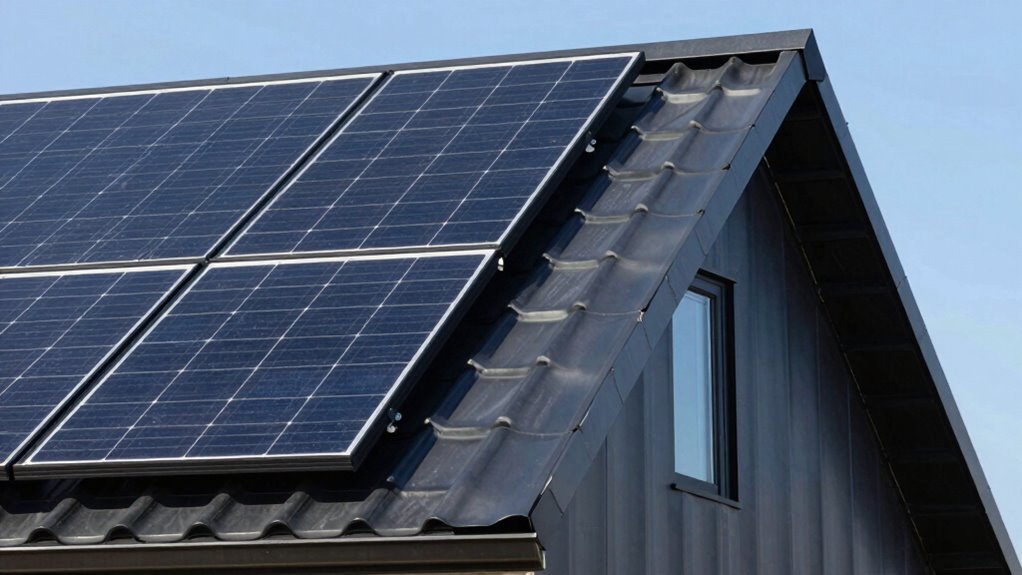
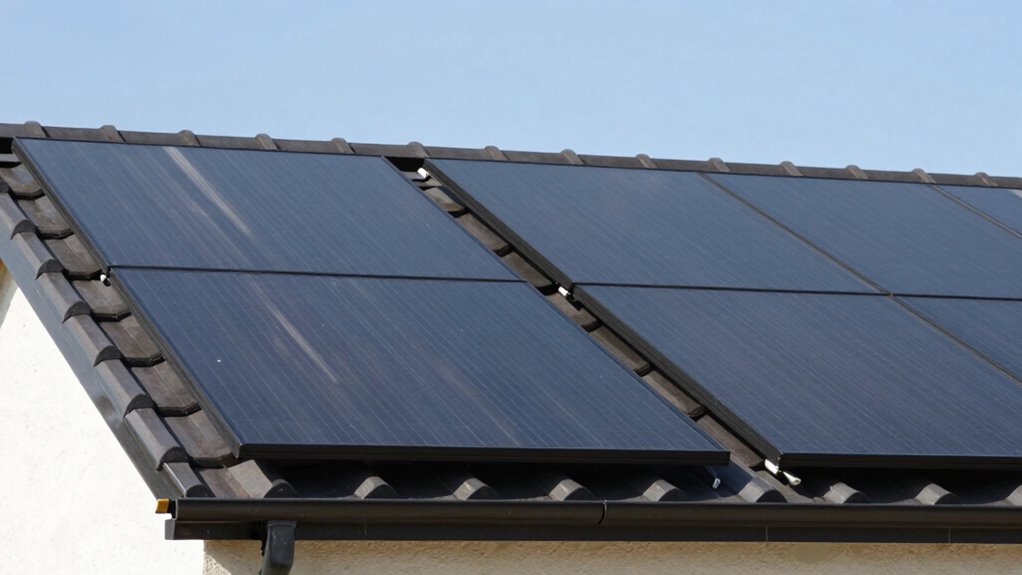
Are flexible or rigid solar panels better suited for tiny house roofs? This question often comes up when you’re weighing your options for sustainable energy solutions. Both types have their advantages and drawbacks, but understanding how they impact energy efficiency and installation challenges can help you make the best choice for your tiny home. Flexible solar panels are known for their lightweight design and ability to conform to curved surfaces, making them appealing if your tiny house roof isn’t flat or has unique contours. Their flexibility allows for easier installation, especially on unconventional roof shapes, since they can stick directly onto surfaces without the need for mounting brackets. However, this convenience often comes with a trade-off in energy efficiency. Flexible panels tend to have slightly lower efficiencies compared to rigid panels, meaning they might produce less power per square foot. If your goal is to maximize energy output while minimizing weight, flexible panels are worth considering, but you should be aware that their slightly lower energy efficiency could mean you’ll need more panel surface area to meet your energy needs. Additionally, the durability of flexible panels can vary depending on exposure to weather conditions over time, which is an important factor in your decision. When choosing between flexible and rigid panels, it’s also important to consider the cost implications, as flexible panels are often priced differently and may influence your overall budget. Rigid solar panels, on the other hand, are made from hardened materials that are typically more durable and efficient. They are usually mounted on sturdy frames, which can be securely fastened to your roof, providing a stable and long-lasting installation. Their higher energy efficiency means they convert sunlight into electricity more effectively, which could save space and reduce the number of panels you need. Moreover, advances in solar panel technology have continued to close the gap in performance between flexible and rigid options, making the choice more nuanced. The technological advancements in panel design also contribute to improved longevity and performance, further influencing your decision. However, installing rigid panels can present more challenges, especially if your tiny house roof has a complex or curved design. The installation process often requires precise mounting brackets, and you might need to reinforce your roof to support the weight of the panels and their frames. This can lead to increased installation challenges and costs, especially if you’re doing it yourself or working with limited space. For flat or slightly angled roofs, rigid panels are usually the better choice because they offer better energy efficiency and durability, making them a long-term investment in your tiny home’s sustainability. It’s also worth noting that technological advancements continue to improve the performance and longevity of both flexible and rigid panels, which can influence your decision over time. Ultimately, your decision hinges on your specific tiny house design, your energy needs, and your willingness to navigate installation challenges. Flexible panels offer easier, more adaptable installation for unconventional roofs but with slightly less efficiency. Rigid panels provide higher energy efficiency and durability but may require more effort during installation. Carefully consider these factors to choose the best solar solution for your tiny living space.

YUHOME 1W 6V Flexible Solar Panel Small Thin Amorphous Silicon Solar Cell DIY Waterproof Camping Portable Power Solar Panel Compatible for Light Fan Garden Pump, Black
As an affiliate, we earn on qualifying purchases.
As an affiliate, we earn on qualifying purchases.
Frequently Asked Questions
How Do Flexible Panels Perform in Extreme Weather Conditions?
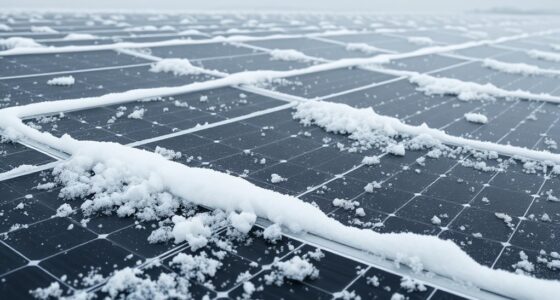
Flexible panels generally perform well in extreme weather, but their material durability can vary. They’re lightweight, which helps prevent roof stress during storms or high winds. However, prolonged exposure to harsh conditions like hail or heavy snow might cause damage over time, reducing efficiency. You should consider your climate and the panel’s durability when choosing flexible panels, ensuring they can withstand the specific weather challenges your tiny house will face.
Can Flexible Panels Be Easily Repaired if Damaged?
Flexible panels are generally more challenging to repair if damaged, as their panel durability can be limited, and damaged sections often require full replacement rather than simple fixes. While the repair accessibility might seem straightforward, the delicate nature of flexible panels means you must handle them carefully to avoid further damage. This makes repairing flexible panels less convenient compared to rigid ones, which are easier to access and replace in sections if needed.
What Is the Lifespan Difference Between Flexible and Rigid Panels?
Rigid solar panels generally last longer, with a durability comparison showing 25-30 years of reliable use, while flexible panels typically last around 10-15 years. You’ll find rigid panels more cost-efficient over time due to their longevity, despite higher initial costs. Flexible panels are lighter and easier to install, but their shorter lifespan means you might replace them sooner, impacting overall cost efficiency.
Are Flexible Panels More Energy-Efficient Than Rigid Panels?
Think of flexible panels as a sleek, nimble dancer on your tiny house roof. They’re generally less energy-efficient than rigid panels because of higher internal resistance and light absorption issues. When you compare efficiency, rigid panels often outperform flexible ones. For a cost analysis, flexible panels are usually cheaper upfront but may need replacement sooner. So, if maximizing energy and long-term savings matter, rigid panels might be your best move.
How Do Flexible Panels Impact Roof Insulation and Ventilation?
Flexible panels can impact roofing and insulation; they conform to your roof’s surface, which may improve waterproofing but can also affect insulation integrity if not installed properly. They create a slight gap, potentially reducing ventilation and increasing heat retention, which might lead to higher cooling costs. Proper installation is essential to guarantee they don’t compromise your roof’s integrity or insulation, keeping your tiny house comfortable and energy-efficient.

Renogy 1180W Solar Panels 2pcs 590 Watt N-Type Bifacial Solar Panel Monocrystalline 16BB 25% High Conversion Efficiency for Homes Roof Top RV Boat Camping Black
Premium Efficiency Performance: Featuring A+ grade N-Type cells and 16BB technology, Renogy Solar Panels deliver up to 25%…
As an affiliate, we earn on qualifying purchases.
As an affiliate, we earn on qualifying purchases.
Conclusion
Choosing between flexible and rigid solar panels depends on your tiny house’s design and your lifestyle. For example, if you have a curved roof, flexible panels might be your best bet since they conform easily. Imagine a tiny house owner who installed flexible panels and saved space while maintaining a sleek look. Ultimately, weigh your roof type, budget, and energy needs to pick the right option—solar power can make your tiny house more self-sufficient and eco-friendly.
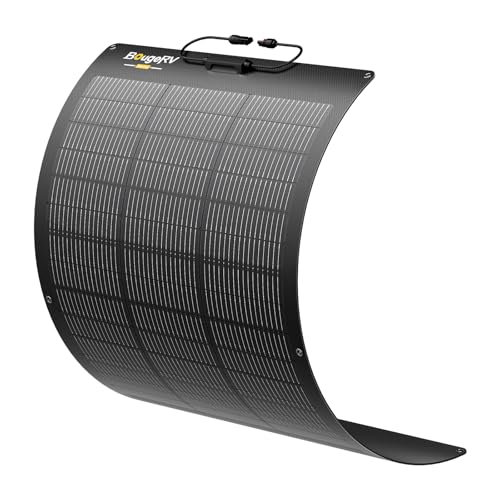
BougeRV Arch Pro 100 Watts Anti-Shading N-Type Fiberglass Flexible Solar Panel, Portable 24 Volts 16BB Mono Cell 25% High-Efficiency, Compact for RV Camping Home Boat Marine Curve Surface Black
More Stable Output: Say goodbye to unstable energy output with BougeRV Arch Pro Solar Panel. Upgraded bypass diode…
As an affiliate, we earn on qualifying purchases.
As an affiliate, we earn on qualifying purchases.

Off Grid Solar Power: How to Design and Install a Mobile Solar System for RVs, Vans, Boats and Tiny Homes (DIY Solar Power)
As an affiliate, we earn on qualifying purchases.
As an affiliate, we earn on qualifying purchases.