TL;DR
Jumping worms, an invasive species originally from Japan, are spreading across U.S. gardens, disrupting soil health and native habitats. Experts recommend detection and removal methods to prevent further damage.
Invasive jumping worms are increasingly being found in gardens and landscapes across the United States, posing a threat to native ecosystems and soil health. Experts warn that these worms, originally from Japan, can rapidly alter soil conditions and outcompete native earthworms, making early detection and control critical.
Jumping worms, also known as disco worms or snake worms, have been confirmed in multiple states, with reports indicating their rapid spread. These worms are characterized by their snake-like movements, glossy skin, and flat, encircling clitellum. They range from 1.5 to 8 inches in length and can lose parts of their tails when disturbed.
According to Michigan State University, jumping worms disrupt soil by consuming leaf litter and decaying organic matter, converting it into surface castings that reduce soil fertility and increase erosion. Unlike native earthworms, their castings are often found on the surface, leading to nutrient loss and poorer soil conditions. They also reproduce quickly, often without mating, and face few natural predators in the U.S., enabling rapid population growth.
Detection involves inspecting damp, shady areas, and using mustard powder as a quick test—worms surface to escape the irritant. If infestations are confirmed, control methods include solarization with plastic sheets and tilling the soil during early warm months. Removing worms by placing them in vinegar, alcohol, or sunlight is also recommended.
Impacts of Jumping Worms on Native Ecosystems
The invasion of jumping worms threatens native soil ecosystems, leading to decreased soil fertility, increased erosion, and loss of habitat for native insects and ground-nesting birds. Their rapid spread and lack of natural predators mean that infestations can cause long-term ecological damage, impacting biodiversity and local plant life.

Mustard Oil Cake Powder – All-Purpose Natural Fertilizer Concentrate for Flower, Vegetable, Herb, Fruit Tree & Plants – Organic Soil Conditioner, Plant Food, Garden Fertilizer(1.5 lb)
100% Natural Mustard Oil Cake Powder is Made From Premium Quality Cold Pressed Oil cakes after extracting the…
As an affiliate, we earn on qualifying purchases.
As an affiliate, we earn on qualifying purchases.
Recent Spread and Identification of Jumping Worms in the U.S.
Jumping worms, native to Japan, have been gradually spreading across the U.S. over the past few years. They have been identified in states including Michigan, Alabama, and New Jersey, often in disturbed or mulched areas. Their distinctive movement and physical features make them identifiable, but early detection remains challenging for many gardeners and land managers.
Experts warn that their presence is often mistaken for native worms, but their surface castings and rapid activity distinguish them. The spread correlates with increased gardening and landscaping activities, which can inadvertently transport cocoons or worms in soil and mulch.
“Jumping worms can drastically alter soil conditions, making environments less hospitable for native plants and animals.”
— an anonymous researcher

Norkan Black String Reinforced Plastic Poly Sheeting & Visqueen for Construction, Landscaping, Weed Barriers, Lumber Tarp, Drop Cloth or Painters Plastic (20' x 100', 6mil)
Contain hazardous dust, asbestos, lead paint and in mold remediation work
As an affiliate, we earn on qualifying purchases.
As an affiliate, we earn on qualifying purchases.
Unanswered Questions About Jumping Worm Control
While effective methods like solarization and tilling are recommended, the long-term success of these control strategies remains uncertain. The full extent of their spread and the potential for natural predators to control populations are still being studied. Additionally, the best practices for preventing accidental spread through mulch and soil transfers are not yet fully established.
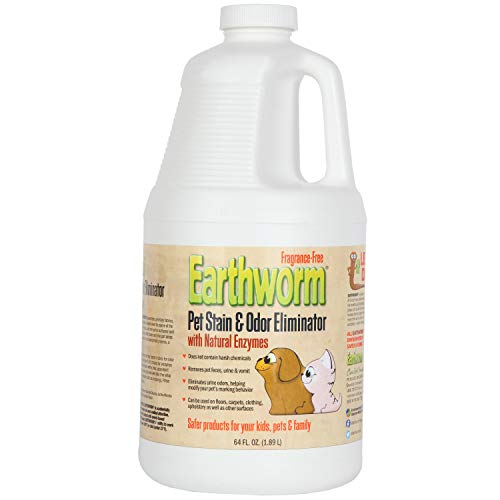
Earthworm Pet Stain Remover & Odor Eliminator- Removes Urine Smell with Natural Enzyme Formula, Fragrance Free Spray – 64 oz
Eliminates urine odors, helping modify your pets marking behavior
As an affiliate, we earn on qualifying purchases.
As an affiliate, we earn on qualifying purchases.
Next Steps in Managing and Preventing Jumping Worm Spread
Researchers and land managers will continue monitoring infestations and testing control methods. Public education campaigns are expected to increase awareness about identification and reporting. Future efforts may include developing biological control options and refining soil management practices to limit the worms’ spread.
garden soil health testing kit
As an affiliate, we earn on qualifying purchases.
As an affiliate, we earn on qualifying purchases.
Key Questions
How can I identify jumping worms in my garden?
Look for worms that thrash vigorously, are glossy and smooth, and range from 1.5 to 8 inches long. Use a mustard powder test—worms surface to escape the irritant. Check damp, shady areas, especially under logs and rocks.
What should I do if I find jumping worms in my yard?
Report the infestation to your state invasive species network. Remove worms by placing them in vinegar, alcohol, or sunlight. Consider soil solarization or tilling during early warm months to kill eggs and reduce populations.
Are jumping worms harmful to my plants?
Yes, they can damage plant roots and disrupt soil structure, making it harder for native plants to thrive. Their presence also reduces soil fertility and increases erosion risks.
Can natural predators control jumping worm populations?
Currently, there are few known predators that effectively control jumping worms in the U.S., which contributes to their rapid spread and dominance.
How can I prevent spreading jumping worms when gardening or landscaping?
Avoid moving soil, mulch, or plant material from infested areas. Clean tools and equipment thoroughly, and use certified, pest-free soil and mulch when planting.
Source: Family Handyman