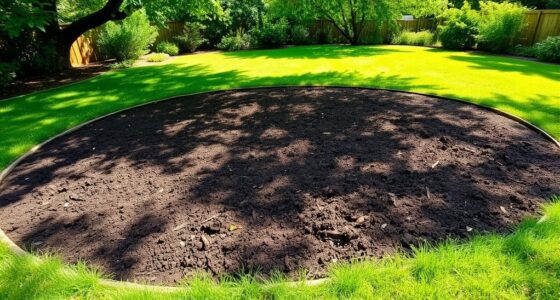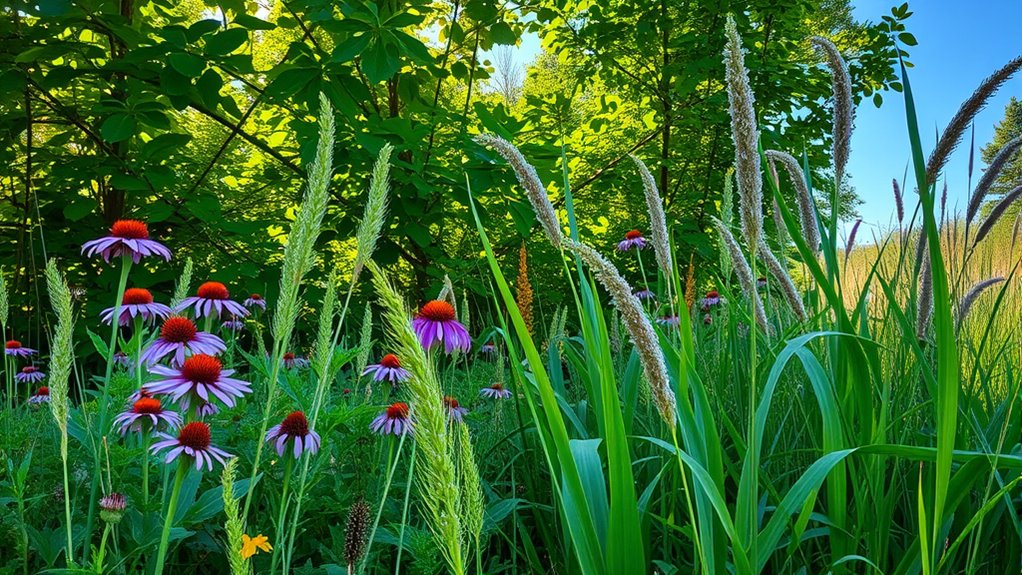

While many people rely on herbicides or manual removal to control weeds, there’s a more natural approach that often goes unnoticed. Native plants that outcompete weeds can create a resilient, self-sustaining landscape, reducing maintenance and chemical use. But which species do this best, and how can you incorporate them into your garden? Exploring these options could transform your space into an eco-friendly haven, with benefits that extend far beyond weed control.

Get compact home essentials delivered free with Prime
- Fast, free delivery on millions of items
- Prime Video, Amazon Music and more included
- Member-only deals all year
Key Takeaways
- Native plants with dense, resilient root systems outcompete weeds for nutrients and water.
- Selecting diverse native species creates natural barriers, preventing weed seed germination.
- Ground covers and grasses quickly fill gaps, reducing space for weed establishment.
- Proper planting density and mulching enhance native plants’ ability to suppress weeds naturally.
- Long-term establishment of native plant communities fosters ecological balance and minimizes weed invasion.

If you want to reduce weeds in your garden naturally, planting native species is one of the most effective strategies. Native plants offer numerous benefits, including improving local biodiversity, requiring less maintenance, and thriving in your specific climate and soil conditions. One of the key advantages is their ability to outcompete weeds through natural processes, making them an indispensable component in weed suppression techniques. When you choose native plants, you’re fundamentally giving your garden a competitive edge, as these species are adapted to your environment and can establish quickly, filling in space that weeds might otherwise take over.
Native plant benefits extend beyond just reducing weeds. They tend to need less watering, fertilizers, or pesticides, which means you’re lessening your environmental impact while maintaining a healthy garden. By establishing a dense, resilient root system, native plants can effectively choke out invasive weeds that rely on open space and light to thrive. This natural form of weed suppression minimizes your need for herbicides or manual weeding, saving you time and effort. Over time, a garden filled with native species becomes a balanced ecosystem, where beneficial insects and pollinators flourish, further helping to control weed populations.
Implementing weed suppression techniques with native plants involves strategic planting. You should focus on selecting a diverse mix of species suited to your area, including ground covers, grasses, and shrubs. These plants compete for nutrients, water, and space, leaving little room for weeds to establish themselves. Proper planting density is critical; densely planted native species create a natural barrier that prevents weed seeds from germinating and spreading. Additionally, maintaining healthy soil and avoiding disturbance helps native plants establish strong root systems, which are crucial for outcompeting weeds. Choosing the right species tailored to your local environment can significantly enhance your success in weed control.
Another effective weed suppression technique is mulching around your native plants. Mulch acts as a physical barrier, blocking weed seeds from reaching the soil surface, and helps retain moisture for your native plants. Regularly removing any emerging weeds by hand before they set seed also reinforces your efforts. Over time, as the native plants mature and fill in gaps, you’ll notice fewer weeds sprouting, creating a self-sustaining garden that requires minimal intervention.
Incorporating native plants into your garden isn’t just about aesthetics; it’s a proactive way to naturally control weeds. Their inherent advantages, combined with strategic planting and maintenance practices, create an environment where weeds struggle to take hold. This approach not only results in a healthier, more vibrant garden but also supports local ecosystems and reduces reliance on chemical controls. Embracing native species is a wise, sustainable choice for anyone looking to manage weeds effectively while promoting ecological balance.
Conclusion
So, while you might think fighting weeds requires endless sprays or back-breaking work, nature has already provided a smarter solution. By planting native species that outcompete weeds naturally, you’ll enjoy a thriving, low-maintenance garden that silently takes care of itself. Ironically, the best weed control might be simply letting Mother Nature do her thing—proving that sometimes, the most effective solutions are the ones we overlook.
Halloween Picks
halloween
As an affiliate, we earn on qualifying purchases.