TL;DR

Get compact home essentials delivered free with Prime
- Fast, free delivery on millions of items
- Prime Video, Amazon Music and more included
- Member-only deals all year
A Hunker report describes a compact backyard bar made by YouTuber WetAndForget from matching reclaimed wood pallets topped with concrete pavers. The design offers a potential alternative to buying an outdoor bar, but the source gives no verified cost, load rating or durability results.
A YouTuber known as WetAndForget made a compact backyard bar from matching wood pallets and a countertop of concrete pavers, according to a Hunker report. The project presents reclaimed materials as a possible alternative to buying a ready-made outdoor bar, though the report does not provide a verified total cost or testing of the finished bar’s strength.
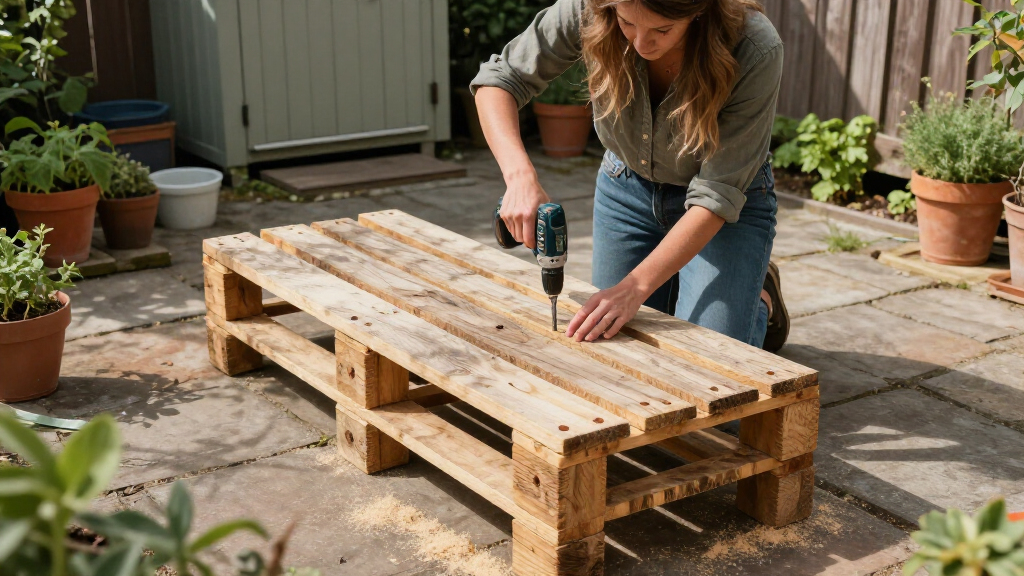
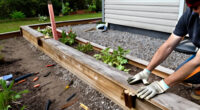
The design uses at least two same-size pallets in sound condition, exterior wood screws, exterior paint with primer, and construction adhesive rated for both wood and concrete. Concrete pavers form the top. The suggested tools include a drill, sander, cleaning cloth, paintbrush and clamps, or a second person to help hold the pallets in place while they are joined.
For assembly, the report advises sanding rough edges, painting the pallets and allowing the paint to dry. The pallets are then stood upright with their backs together, aligned and clamped. Exterior screws fasten the inner boards; the report says WetAndForget used at least three screws per connecting board, while noting that the required number can vary. The bar should sit on level ground and should not rock before pavers are added.
The pavers are first arranged across the top to check their fit, with minimal overhang. The builder then lifts each one, applies compatible exterior construction adhesive and presses it back into place. The adhesive must dry fully before heavy objects are put on the surface. Hunker also suggests customizing the front with a stencil, or adding hooks, a bottle opener or outdoor LED lighting.
A Lower-Cost Bar Option
The project offers homeowners a way to turn reclaimed pallets into a dedicated serving area rather than purchasing a finished outdoor bar. Hunker notes that some store-bought options cost several hundred dollars, but it does not publish a parts list with prices or establish that this build will always cost less. The actual savings depend on whether pallets and tools are already available, the local price of pavers and hardware, and whether the builder needs to buy paint or adhesive.
The design is also adaptable: the report says it can be made longer, including by building and connecting a second matching section. That flexibility may suit smaller patios or covered entertaining areas. But adding countertop sections changes the load and support requirements, so the idea is not simply a matter of extending the surface. Each section should carry its own pavers, and the assembled structure must be stable enough for its intended use.
outdoor wood pallets for DIY furniture
As an affiliate, we earn on qualifying purchases.
As an affiliate, we earn on qualifying purchases.
How the Pallet Design Works
The Hunker article frames the build as an alternative to buying a ready-made outdoor bar, which can add costs beyond the furniture itself, such as décor and supplies for entertaining. Its central design choice is to use pallets as the base and concrete pavers as the top. The source describes the pavers as a durable-looking countertop; it does not report long-term weather testing or confirm how the surface performs after repeated outdoor use.
The recommendations focus on preparing and fastening the materials: inspect pallets for rot or contamination, smooth rough areas, use exterior-rated paint and screws, and choose adhesive compatible with both materials. These checks matter because a bar used for serving needs a steady base, while the pavers add considerable weight. The report does not specify a rated capacity, a particular pallet standard or a structural inspection of the example shown.
“The pavers add considerable weight, so confirm the pallet structure and connections can safely support the load.”
— Hunker
Cost and Load Capacity
The supplied report does not state the project’s actual materials cost, how long construction took, or whether the finished bar was tested for a specific load. Its suggestion that the build could cost less than a store-bought bar is a possibility, not a documented price comparison. It also does not identify the pallets’ prior use or provide a method for certifying that they are uncontaminated.
Weather resistance and long-term performance are not established in the source. Exterior paint and suitable adhesive are recommended, but the report gives no test results, maintenance schedule or expected lifespan. Builders would need to assess their own materials and site; the instructions should not be treated as a certified structural design.
Check Materials Before Building
Anyone adapting the idea should begin by checking that the pallets are sound, clean and free of visible rot or contamination, then confirm that the base and connections can bear the weight of the chosen pavers. The bar should be set on level ground, and adhesive should be allowed to cure according to its product instructions before the top is loaded.
Hunker’s report does not announce a follow-up test or additional guidance from WetAndForget. The next practical step for readers is to price the materials locally and select products rated for the intended outdoor use. If the design is extended, each section should have adequate support beneath its own countertop rather than relying on pavers spanning a gap.
Key Questions
What materials does the pallet bar use?
The design calls for at least two matching pallets, concrete pavers, exterior wood screws, exterior paint with primer and construction adhesive compatible with wood and concrete. A drill, sander, clamps and basic painting supplies are also listed.
Does the project definitely cost less than a store-bought bar?
No verified price comparison is provided. Hunker says the DIY could cost less, but the final amount depends on material prices and whether the builder already has pallets, tools and other supplies.
Can the bar be made longer?
The report suggests building a second matching unit and connecting the sections. It cautions that each section should support its own pavers and that the structure and connections must be able to carry the added weight.
How should the pallets be checked before use?
Hunker advises using pallets in good condition with no signs of rot or contamination. It does not provide a certification method, so the history and suitability of any reclaimed pallet remain the builder’s responsibility.
Source: rss
Fall Picks
fall essentials
As an affiliate, we earn on qualifying purchases.