If you’re after the best noise-reducing drywall in 2025, I recommend products with high-density materials like mineral wool or sound-dampening layers that block sound effectively. Top choices often include drywall with high STC ratings and proven durability against environmental factors. Proper installation and sealing are key to maximizing soundproofing benefits. Keep in mind that cost, compatibility, and specific needs influence the right pick for your project—stay tuned to learn more.
Key Takeaways
- High-density drywall with added sound-dampening layers offers superior noise reduction and improved STC ratings.
- Proper installation with soundproofing accessories like backer rods enhances overall sound insulation performance.
- Soundproof drywall materials are resistant to moisture, temperature changes, and environmental factors, ensuring durability.
- Selecting drywall with higher weight per square foot (around 2.4 lbs/ft²) maximizes soundproofing effectiveness.
- Combining soundproof drywall with sealing techniques and acoustic treatments optimizes noise reduction in various spaces.
Backer Rod for Gaps and Joints (5/8″ x 50′)
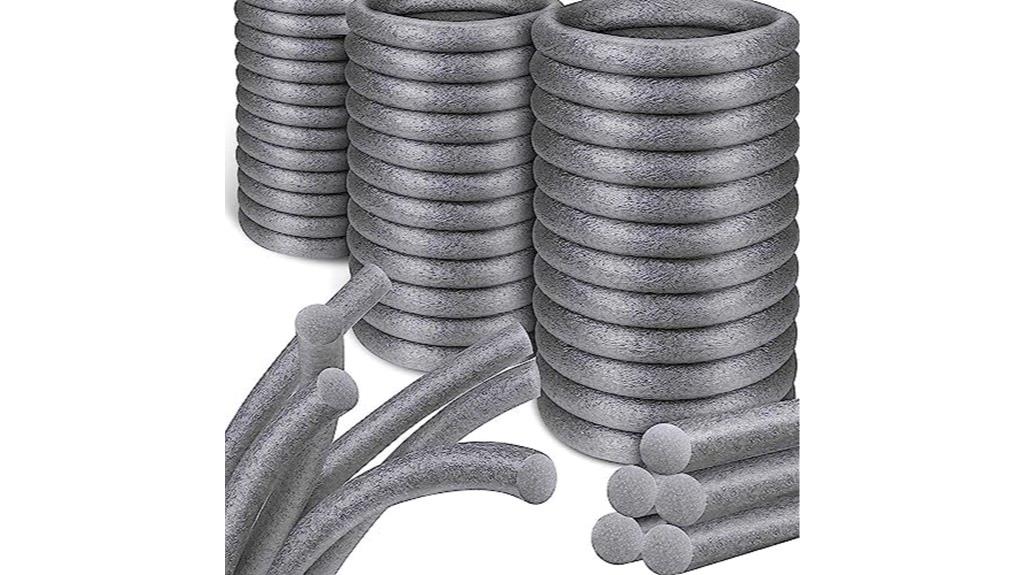
If you’re tackling gaps and joints in concrete, walls, or pavements, the 5/8″ x 50′ Backer Rod is an excellent choice. I find it easy to handle—just cut it to fit with scissors and push it into cracks or expansion gaps. Made of flexible, water-resistant foam, it seals effectively without protruding. Its classic gray color blends well, and it’s soft enough to stretch and mold into uneven spaces. I’ve used it in various projects, from pavements to wall joints, and it helps minimize caulk use while ensuring a tight, durable seal. Just remember to let it settle before applying sealant for the best results.
Best For: DIY homeowners, contractors, and craft enthusiasts seeking an affordable, flexible foam backer rod to seal gaps and joints in concrete, walls, pavements, or for creative projects.
Pros:
- Easy to cut and install with scissors, suitable for various gap sizes
- Water-resistant, durable, and flexible for effective sealing in different environments
- Cost-effective and matches well with most styles due to its classic gray color
Cons:
- Packaging can be cumbersome, as foam is in a plastic bag that must be carefully managed
- May contract or deteriorate over time if exposed to prolonged sunlight or high temperatures
- Not pre-rolled, requiring manual organization and handling during storage and use
Louvered Metal Access Panel with Lock & Handle
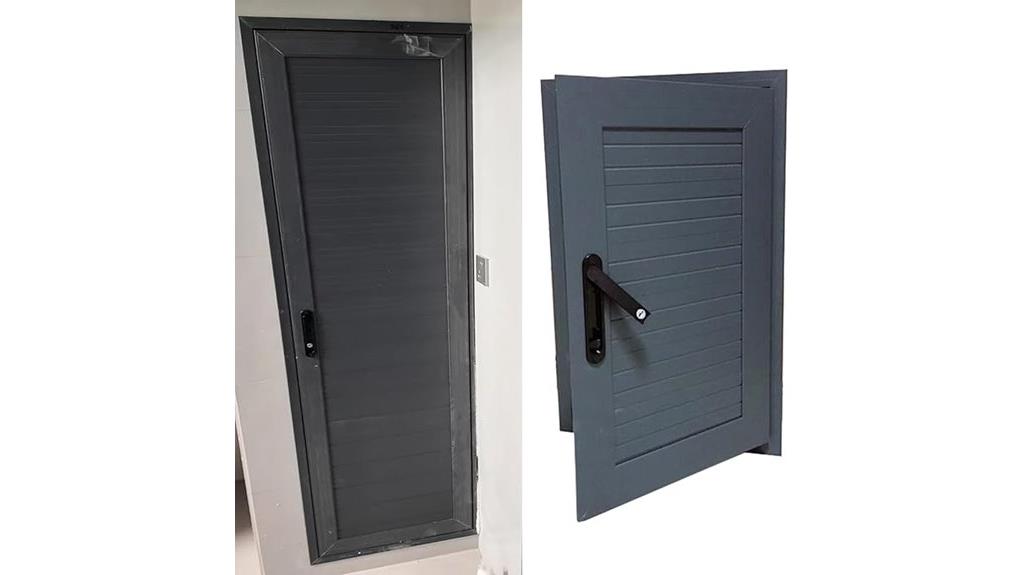
The Louvered Metal Access Panel with Lock & Handle is ideal for securing access points in both residential and commercial buildings where security and durability matter. Made from a thickened aluminum alloy frame and honeycomb panel, it offers a stable, long-lasting structure resistant to deformation, heat, and weather. The lockable feature with a key enhances security, restricting access to authorized personnel—perfect for attics, maintenance, or service areas. Easy to install with screws or adhesive, it fits standard wall openings and requires no specialized tools. Its durable construction guarantees it maintains wall aesthetics while providing quick access when needed.
Best For: those seeking a secure, durable access panel for attic, maintenance, or service areas in residential or commercial buildings.
Pros:
- Made of durable aluminum alloy and honeycomb panel for long-lasting use
- Lockable with a key to enhance security and restrict access
- Easy to install without specialized tools or skills
Cons:
- Size must be carefully measured to ensure proper fit; customization may be needed for non-standard openings
- May be limited in aesthetic options due to its functional, industrial design
- Installation depth requirements (>1 1/2) might restrict use in some wall configurations
Gordon Glass® 5/8 Closed Cell Backer Rod – 100 ft Roll
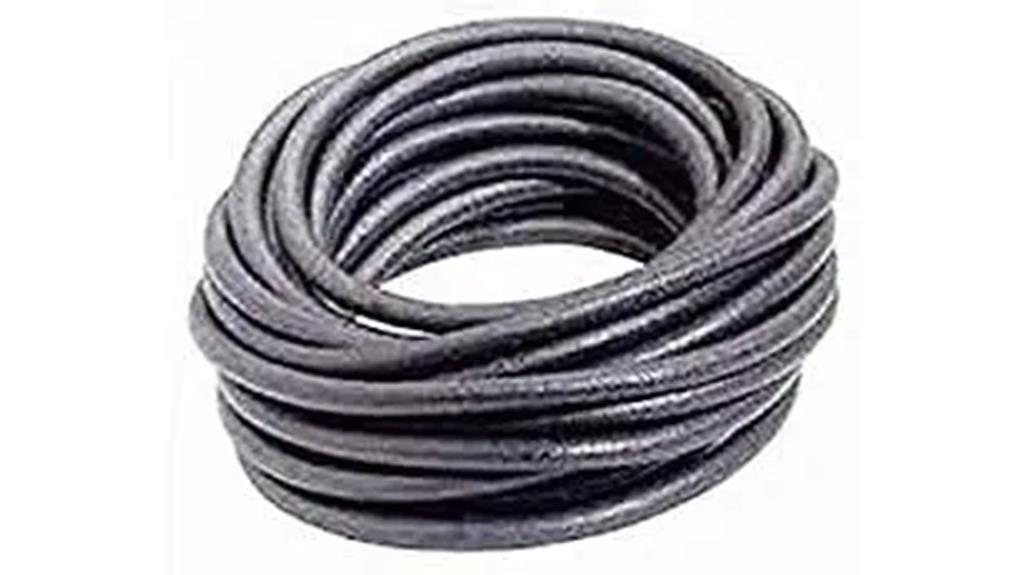
Gordon Glass® 5/8 Closed Cell Backer Rod is an excellent choice for professionals seeking a reliable sealant backing material that meets industry standards. Made of polyethylene foam with a closed cell structure, it conforms to ASTM C1330 and D5249, ensuring quality and performance. This inert, non-staining rod is compatible with most cold sealants like silicone, polyurethane, and butyl, preventing long-term staining or gassing issues. Each 100-foot roll offers versatile application in expansion joints, curtain walls, bridges, and more. Its non-adhesive design guarantees easy installation, helps control sealant depth, and promotes durable, effective sealing for noise reduction and soundproofing projects.
Best For: professionals and contractors seeking a reliable, high-quality backer rod for sealing expansion joints, curtain walls, bridges, and other construction applications.
Pros:
- Meets ASTM C1330 and D5249 standards for quality assurance
- Compatible with most cold-applied sealants including silicone, polyurethane, and butyl
- Non-adhesive, inert, and non-staining, ensuring long-term performance and easy installation
Cons:
- Limited to 5/8 inch diameter, which may not suit all joint sizes
- Requires proper joint preparation and depth placement for optimal effectiveness
- Does not adhere to sealants, so correct installation technique is essential for sealing integrity
5/8 Inch x 75 Feet Backer Rod for Gaps & Joints
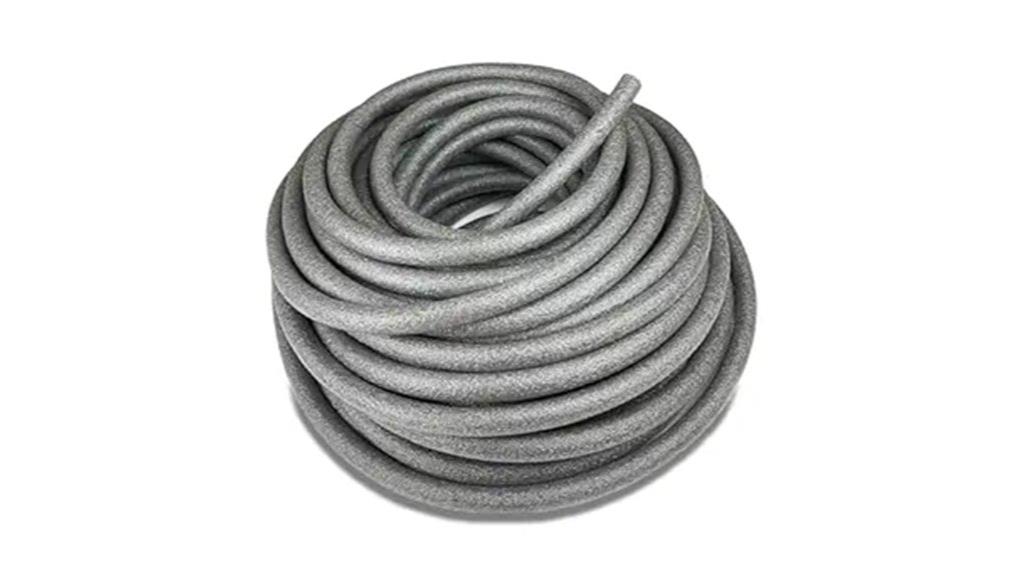
A 5/8 Inch x 75 Feet Backer Rod is an ideal choice for professionals and DIY enthusiasts aiming to create durable, moisture-resistant joints. Made from closed-cell, extruded polyethylene, it resists gasoline, oil, and most solvents, ensuring long-lasting performance. Its water-resistant outer skin prevents sealant adhesion issues, eliminating the need for bond breakers. The flexible, round design stays intact during installation, maintaining shape without snapping or shrinking. Perfect for sealing expansion joints, glazing, and other construction gaps, this backer rod provides consistent depth control and enhances overall sealant effectiveness. It’s a reliable, cost-effective solution for moisture-resistant joint sealing projects.
Best For: professionals and DIY enthusiasts seeking durable, moisture-resistant joints for sealing expansion gaps, glazing, and construction joints.
Pros:
- Made from resilient, closed-cell polyethylene that resists shrinking and maintains shape over time
- Water-resistant outer skin prevents sealant adhesion issues, eliminating bond breaker needs
- Cost-effective, easy to install, and compatible with a variety of sealants for long-lasting performance
Cons:
- Requires careful installation to avoid puncturing or overstretching the rod
- Needs a clean, dry, frost-free joint for optimal adhesion and effectiveness
- Not suitable for joints with excessive movement or in extreme temperature conditions outside specified ranges
5/8 Closed Cell Backer Rod – 100 ft Roll
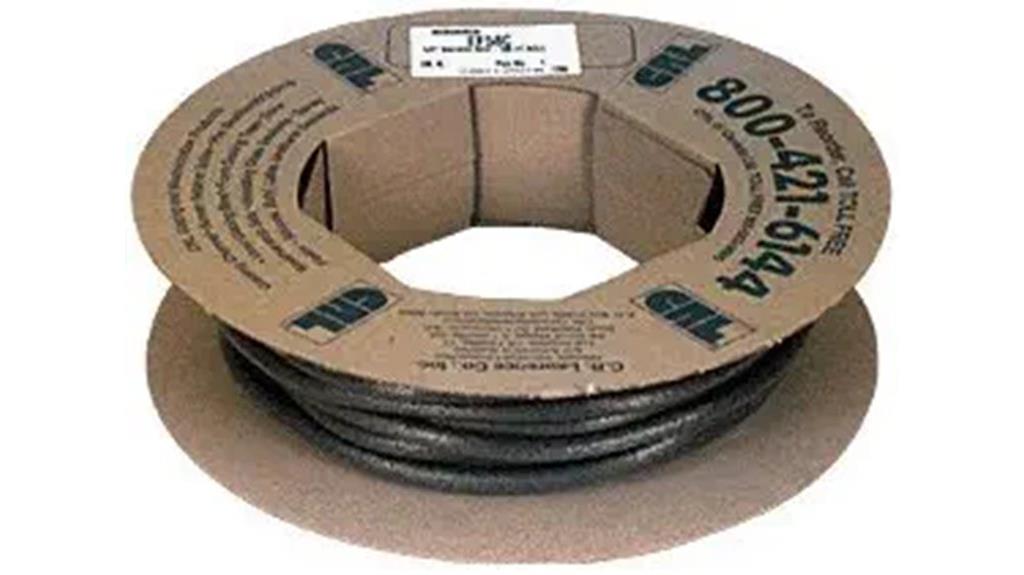
If you’re looking for a reliable backing material to guarantee precise sealant application and accommodate joint movement, the 5/8 inch Closed Cell Backer Rod in a 100 ft roll is an excellent choice. Made from flexible polyethylene foam, it acts as a bond breaker, preventing sealant from sticking to the bottom, and helps control joint depth. It withstands temperature extremes from -45°F to 160°F, resists water, oils, and solvents, and doesn’t bond to sealants. Its round shape promotes proper hourglass sealing, making it ideal for cracks, gaps, and joints in drywall, asphalt, or concrete, ensuring a neat, durable finish.
Best For: homeowners, contractors, and DIY enthusiasts seeking a durable, flexible backing material for sealing cracks, joints, and gaps in various surfaces like drywall, asphalt, or concrete to ensure neat, long-lasting sealant application.
Pros:
- Compatible with all cold-applied sealants and does not bond to them, preventing adhesion issues
- Withstands temperature extremes from -45°F to 160°F, suitable for diverse environments
- Made from chemically inert polyethylene foam that resists water, oils, and solvents
Cons:
- Arrives in a bulk, knotted form rather than a neat roll, which may require sorting
- Does not come with a warranty; relies on Amazon’s 30-day return policy
- May require oversizing by approximately 25% for an optimal fit, which could lead to excess material
5/8 Inch x 75 Feet Soft Type Backer Rod For Gaps & Joints

The 5/8 Inch x 75 Feet Soft Type Backer Rod is ideal for contractors and DIY enthusiasts seeking a reliable, flexible solution for sealing gaps and joints. Made from pliable, bi-cellular polyethylene, it’s designed to fit irregular joint widths and prevent sealant adherence, eliminating the need for bond breakers. Its water-resistant outer skin and high compression recovery guarantee durability in various environments. Suitable for use with most cold-applied sealants, it provides excellent expansion and contraction support, making it perfect for sealing construction joints, window glazing, and other applications. Easy to install and versatile, it helps achieve a professional, long-lasting seal every time.
Best For: contractors and DIY enthusiasts seeking a flexible, durable backing material for sealing gaps and joints in various construction and maintenance projects.
Pros:
- Pliable and easy to install in irregular joint widths
- Water-resistant outer skin enhances durability in different environments
- Supports expansion and contraction, preventing sealant failure
Cons:
- Not suitable for hot-applied sealants; compatibility verification needed
- Requires proper joint cleaning and correct compression during installation
- Limited to cold-applied sealant applications; unsuitable for high-temperature environments
Factors to Consider When Choosing Noise Reducing Drywall 5/8 Inch

When selecting a 5/8 inch noise-reducing drywall, I focus on soundproofing ratings and material quality to guarantee it meets my needs. I also consider how well it fits with my installation setup and its resistance to moisture or fire. Budget plays a role too, so I weigh the costs against the benefits of durability and performance.
Soundproofing Effectiveness Ratings
Soundproofing effectiveness ratings like STC and IIC provide a clear way to compare different drywall options, helping us determine which materials best reduce noise transmission and impact sounds. Higher STC ratings mean better soundproofing; for example, drywall with an STC of 50 or more effectively blocks loud speech and traffic noise. For 5/8 inch drywall, the rating can improve considerably with additional layers or sound-dampening materials like mass loaded vinyl or acoustic insulation. These ratings are determined through standardized lab tests that measure sound transfer across the wall assembly, making comparisons straightforward. However, real-world performance can vary due to installation quality, wall structure, and gaps or leaks. Considering these ratings helps us select drywall that offers most effective soundproofing for our space.
Material Composition and Density
Choosing the right noise-reducing drywall involves understanding its material composition and density, as these factors directly impact its ability to block sound. Most soundproof drywall includes a layer of sound-absorbing material, like mineral wool or foam, sandwiched between gypsum boards, which enhances acoustic insulation. Higher density drywall generally offers better soundproofing because it reduces sound wave transmission through increased mass and stiffness. For 5/8 inch drywall, density typically ranges from 2.0 to 2.8 pounds per square foot, with denser options providing improved noise reduction. The greater the mass and density, the more effectively it dampens sound. Selecting drywall with a minimum density of around 2.4 pounds per square foot can considerably improve airborne noise reduction between rooms, making your soundproofing more effective.
Installation Compatibility Tips
Ensuring your noise-reducing drywall 5/8 inch fits correctly requires careful attention to compatibility with your existing wall or ceiling framing. First, check that the drywall’s thickness aligns with your framing dimensions to avoid gaps or fitting issues. It’s also important to verify that the weight and material specifications match your installation method and support structure, preventing any structural concerns. Additionally, confirm that your fastening system—whether screws, nails, or adhesive—is suitable for this thicker drywall to ensure secure attachment and long-term durability. Consider whether the joint and edge finishing techniques recommended for this drywall are compatible with your taping and mudding processes. Lastly, verify the fire rating and soundproofing properties meet local building codes and your specific acoustic needs for maximum performance.
Environmental Resistance Features
When selecting noise-reducing drywall 5/8 inch, it’s important to contemplate its environmental resistance features to guarantee long-lasting performance. These features help the drywall withstand moisture, mold, and mildew, especially in high-humidity spaces like bathrooms or basements. Many options include water-resistant or moisture-proof coatings that prevent water absorption and deterioration over time. Fire-retardant and heat-resistant treatments are often integrated, boosting safety and durability in environments with temperature fluctuations or fire risks. These environmental resistance qualities also help maintain the drywall’s acoustic integrity despite exposure to humidity, temperature changes, or pollutants. Ultimately, choosing drywall with strong environmental resistance ensures your soundproofing remains effective longer, reducing the need for repairs or replacements and enhancing overall durability.
Cost and Budget Considerations
Investing in noise-reducing drywall 5/8 inch often costs more per square foot than standard drywall, with prices typically ranging from 15% to 50% higher depending on the soundproofing level. When budgeting, consider additional expenses like specialized installation techniques, such as decoupling clips or soundproofing compounds, which can add to the overall cost. While the upfront investment may be higher, these drywall options often provide better insulation, potentially reducing energy costs over time. Durability is another factor—some soundproof drywall may have a longer lifespan, offsetting initial expenses. To determine cost-effectiveness, analyze the balance between purchase price, installation costs, and the desired noise reduction level for your space, ensuring your investment aligns with your long-term needs.
Building Code Compliance
Choosing noise-reducing drywall 5/8 inch requires careful attention to building code requirements to guarantee safety and compliance. First, I make sure the drywall meets local standards, especially regarding minimum STC ratings for different occupancy types. Fire-resistance is crucial, so I verify that the product’s ratings align with ASTM E119 or UL 263 standards. Proper installation is also essential; I follow code-mandated procedures for fastening, sealing, and insulation to ensure effectiveness. I check that the drywall’s material specifications, like thickness and core composition, are approved for my building’s classification and jurisdiction. Lastly, I review certifications or testing reports to confirm the product has been evaluated and approved according to relevant regulations. This guarantees my soundproofing project stays compliant and safe.
Frequently Asked Questions
How Does Drywall Thickness Affect Soundproofing Effectiveness?
Thicker drywall substantially improves soundproofing because it adds mass, which helps block sound waves more effectively. I’ve found that increasing drywall thickness from standard ½ inch to ⅝ inch or even ⅞ inch reduces noise transmission, making rooms quieter. Plus, adding multiple layers of drywall creates a denser barrier. So, if you really want to cut down on noise, opting for thicker drywall is a smart move.
Are There Eco-Friendly Noise-Reducing Drywall Options Available?
Absolutely, eco-friendly options are out there and gaining popularity. I recommend looking for drywall made from recycled materials or sustainable sources, which helps reduce environmental impact without sacrificing performance. Some brands now incorporate natural, non-toxic additives, making them a smart choice for greener living. These eco-conscious drywall options provide effective soundproofing and peace of mind, knowing you’re making a more sustainable choice for your home and the planet.
What Maintenance Is Required for Soundproof Drywall Sheets?
Maintaining soundproof drywall is pretty straightforward. I regularly inspect for cracks, dents, or water damage, which can compromise its soundproofing. I avoid heavy impacts on the walls and keep them clean with a soft cloth—no harsh chemicals. If I notice any issues, I patch cracks with joint compound and sand smooth. This routine keeps my drywall effective and guarantees it continues to block sound efficiently.
Can Existing Walls Be Upgraded With Noise-Reducing Drywall?
Absolutely, you can upgrade your existing walls with noise-reducing drywall. It’s like giving your walls a soundproofing makeover, blending new technology with your current structure. I recommend removing the old drywall, then installing the specialized soundproof sheets, followed by sealing all gaps. This process dramatically improves sound insulation without the hassle of complete wall reconstruction, making your space quieter and more comfortable.
How Do Soundproof Drywall Prices Compare to Traditional Drywall?
Soundproof drywall prices are generally higher than traditional drywall, but the difference isn’t huge. I find that investing a bit more in soundproof drywall pays off with better noise reduction, especially in shared walls or home theaters. While traditional drywall costs less upfront, the added expense of soundproof options can save money on soundproofing treatments later, making it a smart choice for better acoustic comfort.
Conclusion
Think of choosing the right noise-reducing drywall like tuning a finely crafted instrument. When you select the best materials, every note—every sound—resonates perfectly, creating a peaceful harmony in your space. Don’t settle for less; invest in quality to silence the chaos outside. With the right drywall and accessories, you’ll turn your room into a sanctuary of calm, where sound waves fade into nothingness like a gentle whisper in a quiet forest.