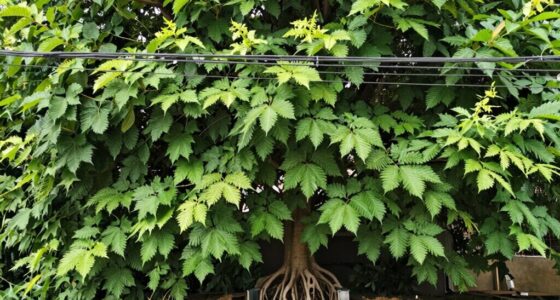
Finding the right shade tree for a small lot requires balancing growth rate, size, and maintenance. The Hybrid Poplar Tree Cuttings stand out as the best overall for quick shade and privacy, thanks to their rapid growth. The Red Oak Trees offer vibrant fall color and a sturdy canopy, making them a popular choice for long-term shade. However, many small lot owners face tradeoffs like root spread, size management, and fall debris. Keep reading for a detailed comparison to help you select the best fit for your space and needs.

Get compact home essentials delivered free — and shop member deals
- Fast, free delivery on millions of items
- Access to Prime Big Deal Days deals on October 6–7
- Prime Video, Amazon Music and more included
Key Takeaways
- Fast-growing trees like Hybrid Poplar and Cottonwood provide immediate shade but may require regular pruning and have larger root systems.
- Deciduous trees such as Red Oak and River Birch offer seasonal interest and vibrant foliage, enhancing aesthetic appeal on small lots.
- Hybrid trees like Austree Hybrid Willow deliver quick privacy, though they may have a shorter lifespan or higher maintenance needs.
- Native species like River Birch tend to adapt better to local conditions, reducing long-term care costs.
- Choosing a tree with a manageable mature size is crucial for small lots to prevent overgrowth and root conflicts.
| Hybrid Poplar Tree Cuttings – Fast Growing Privacy and Shade Trees (5 Trees) |  | Best for Immediate Privacy and Quick Cover | Sunlight Exposure: Full Sun | Quantity: 5 Trees | Type: Hybrid Poplar | VIEW ON AMAZON | See Our Full Breakdown |
| 3 Pack Red Oak Trees (Quercus rubra) – Live Fast Growing Shade Trees with Vibrant Fall Foliage |  | Best for Vibrant Fall Color and Long-Term Shade | Tree Type: Red Oak (Quercus rubra) | Quantity: 3 trees | Foliage Color: Vibrant red in fall | VIEW ON AMAZON | See Our Full Breakdown |
| 10 Hybrid Poplar Tree Cuttings |  | Best for Rapid, Cost-Effective Landscape Screening | Quantity: 10 cuttings | Tree Type: Hybrid Poplar | Growth Rate: Fast | VIEW ON AMAZON | See Our Full Breakdown |
| Live Cottonwood Trees (3-Pack) – Fast Growing Populus Trees for Landscaping & Windbreak |  | Best for Hardy Windbreaks and Quick Shade | Number of Trees: 3 | Tree Type: Cottonwood | Growth Rate: Fast | VIEW ON AMAZON | See Our Full Breakdown |
| Austree Hybrid Willow Tree – 12 Live Trees – Fast Growing Shade and Privacy Trees |  | Best for Rapid Screening and Eco-Friendly Growth | Quantity: 12 trees | Growth Rate: 10-15 feet per year | Type: Hybrid Willow | VIEW ON AMAZON | See Our Full Breakdown |
| Live Honey Locust Trees (3-Pack) – Gleditsia triacanthos – Fast Growing Shade Trees |  | Best for Rapid Growth and Light, Airy Canopies | Type: Shade Tree | Quantity: 3 Saplings | Growth Rate: Fast Growing | VIEW ON AMAZON | See Our Full Breakdown |
| River Birch Tree (Betula nigra) Live Tree – Fast-Growing Shade Tree with Peeling Bark, Hardy Native Landscape Plant |  | Best for Visual Interest and Moisture-Rich Landscapes | Type: Live Tree | Scientific Name: Betula nigra | Growth Rate: Fast-Growing | VIEW ON AMAZON | See Our Full Breakdown |
| shade trees small lot | Growth Rate | Quantity | Type |
|---|---|---|---|
| Hybrid Poplar Tree Cuttings | — | 5 Trees | Hybrid Poplar |
| 3 Pack Red Oak Trees | Fast | 3 trees | — |
| 10 Hybrid Poplar Tree Cuttings | Fast | 10 cuttings | — |
| Live Cottonwood Trees | Fast | — | — |
| Austree Hybrid Willow Tree | 10-15 feet per year | 12 trees | Hybrid Willow |
| Live Honey Locust Trees | Fast Growing | 3 Saplings | Shade Tree |
| River Birch Tree | Fast-Growing | — | Live Tree |
More Details on Our Top Picks
Hybrid Poplar Tree Cuttings – Fast Growing Privacy and Shade Trees (5 Trees)
This set of hybrid poplar tree cuttings stands out for rapid growth, making it ideal for those needing quick privacy screens or shade in small lots. Compared to the Austree Hybrid Willow, these poplars grow just as fast but may require more management to prevent invasive tendencies. While they deliver quick results, their moderate customer rating hints at inconsistent growth or maintenance issues. The included planting instructions simplify establishing these trees, but their aggressive potential means owners need to stay vigilant. They are best suited for buyers who prioritize speed and are comfortable with regular upkeep. However, if you prefer a slower, more manageable growth pattern, these might not be your best fit.
Pros:- Very fast-growing, providing quick privacy and shade
- Suitable for windbreaks and landscaping
- Includes instructions for planting
Cons:- Customer rating is moderate at 3.6/5, indicating inconsistent performance
- Potentially invasive or aggressive growth if not managed
Best for: Homeowners needing rapid privacy and shade in small to medium-sized lots
Not ideal for: Gardeners seeking low-maintenance or slow-growing trees, or those concerned about invasiveness
- Sunlight Exposure:Full Sun
- Quantity:5 Trees
- Type:Hybrid Poplar
- Features:Fast growing, Cottonless, Attractive
Our verdict“This pick is best for those who want immediate shade and privacy but are prepared for ongoing management.”
3 Pack Red Oak Trees (Quercus rubra) – Live Fast Growing Shade Trees with Vibrant Fall Foliage
These Red Oak trees excel at combining rapid growth with striking fall foliage, making them an appealing choice for small lots needing quick shade with seasonal visual impact. Unlike the Hybrid Poplar, which emphasizes speed and quick coverage, the Red Oaks offer a more durable, native option with stunning fall color. They do require ample space for mature size and regular maintenance, which might be a concern for very small or constrained lots. Their adaptability across zones 3-10 makes them versatile, especially for buyers who want both quick shade and a landscape accent. However, if immediate screening is your priority, faster-growing trees like poplars could outperform them temporarily.
Pros:- Vibrant red fall foliage enhances landscape appeal
- Fast-growing for quick shade and privacy
- Includes three trees for flexible planting
Cons:- Requires space for mature growth
- May need regular pruning and maintenance
Best for: Property owners wanting quick shade with vibrant seasonal color in medium-sized lots
Not ideal for: Small lots with limited space or buyers seeking low-maintenance, slow-growing trees
- Tree Type:Red Oak (Quercus rubra)
- Quantity:3 trees
- Foliage Color:Vibrant red in fall
- Growth Rate:Fast
- Hardiness Zones:3-10
Our verdict“This choice suits those seeking fast-growing shade trees with striking seasonal color for medium-sized lots.”
10 Hybrid Poplar Tree Cuttings
Offering a larger quantity of hybrid poplar cuttings, this set is tailored for quick landscape transformation, similar to the 5-tree bundle but with a focus on erosion control and environmental benefits. Their rapid growth makes them ideal for quickly establishing privacy or shade, especially in small lots where space is available. Unlike the 3 Pack Red Oaks, these cuttings are less suited for long-term aesthetic value but excel at fast coverage and environmental functions. They are easy to plant with included instructions, but their high water needs and potential invasiveness require ongoing care. This is perfect for buyers prioritizing quick, affordable screening over mature tree aesthetics.
Pros:- Fast-growing trees for quick landscape transformation
- Easy to plant and maintain with included instructions
- Environmental benefits like erosion control and air filtration
Cons:- May require regular watering and care
- No specific size or height details provided
Best for: Landowners wanting fast, cost-effective privacy or erosion control in small to medium lots
Not ideal for: Those seeking slow-growing, low-maintenance, or aesthetically mature trees
- Quantity:10 cuttings
- Tree Type:Hybrid Poplar
- Growth Rate:Fast
- Uses:Privacy, Shade, Erosion Control
Our verdict“Ideal for rapid, budget-friendly landscape screening and environmental projects on small lots.”
Live Cottonwood Trees (3-Pack) – Fast Growing Populus Trees for Landscaping & Windbreak
This trio of cottonwood saplings provides rapid growth and hearty resilience, making them a prime option for windbreaks and quick shade in small lots. Compared with the Hybrid Poplar, cottonwoods tend to be more adaptable to a range of conditions, especially in colder zones 2-9. Their lush, heart-shaped leaves add visual appeal, but their vigorous growth requires ample space and water during establishment. They are less suitable for very constrained small lots where space is limited, but perfect for buyers seeking immediate wind protection and shade in adaptable environments. If space is tight, these might be less ideal compared to slower-growing, more compact options.
Pros:- Fast-growing trees that provide quick shade and wind protection
- Includes three healthy, well-rooted saplings
- Cold hardy and adaptable across multiple zones
Cons:- May require significant space for vigorous growth
- Potential high water needs during establishment
Best for: Owners wanting fast, hardy windbreaks and shade in zones 2-9 with space for vigorous growth
Not ideal for: Very small or densely landscaped lots where space is limited or low-maintenance trees are preferred
- Number of Trees:3
- Tree Type:Cottonwood
- Growth Rate:Fast
- Hardiness Zones:2-9
Our verdict“Best suited for buyers needing robust, fast-growing windbreaks with ample space for growth.”
Austree Hybrid Willow Tree – 12 Live Trees – Fast Growing Shade and Privacy Trees
This bundle of 12 hybrid willow trees offers exceptional speed in establishing privacy and shade, especially for those who want quick results in small lots. Their towering growth rate of 10-15 feet annually surpasses most others, including the Hybrid Poplar. While their rapid growth makes them highly effective for quick screening, it also means they require frequent pruning to control size and root spread, which can be labor-intensive. Their environmental benefits, such as oxygen production and air filtering, appeal to eco-conscious buyers. However, their invasive root potential can pose challenges if not managed properly. This option makes the most sense for owners seeking immediate, large-scale screening with the willingness to maintain aggressive growth. Less suitable for those wanting low-maintenance, slow-growing trees or with limited space.
Pros:- Fast-growing, providing quick privacy and shade
- Low maintenance and easy to grow
- Environmentally beneficial, producing oxygen and filtering air
Cons:- Rapid growth may require frequent pruning
- Potentially invasive root system
Best for: Landscapers or homeowners needing immediate, large-scale privacy in small lots, willing to perform regular pruning
Not ideal for: Small gardens or those seeking low-maintenance, slow-growing trees, or environmentally cautious owners concerned about invasiveness
- Quantity:12 trees
- Growth Rate:10-15 feet per year
- Type:Hybrid Willow
Our verdict“Ideal for owners who prioritize quick, large-scale screening and are prepared for regular pruning and maintenance.”
Live Honey Locust Trees (3-Pack) – Gleditsia triacanthos – Fast Growing Shade Trees
This trio of Honey Locust saplings stands out for their rapid growth, making them an excellent choice for small lots where quick shade is desired. Compared with the River Birch, which offers striking peeling bark, these trees focus on creating a delicate, fern-like canopy that filters sunlight without overwhelming limited space. Their hardiness across zones 3–9 and drought tolerance make them versatile, but they do require regular watering during early establishment and ample outdoor room to grow tall and wide. The airy foliage provides shade without dense coverage, which is ideal for small yards seeking a light, open canopy. However, they are less suitable for compact spaces that can’t accommodate their eventual size or for those unwilling to manage watering needs during establishment.
Pros:- Rapid growth ensures quick shade development
- Light, airy foliage provides filtered sunlight
- Cold hardy and drought-tolerant for varied climates
Cons:- Requires sufficient outdoor space for full growth
- Needs regular watering during initial years
Best for: Homeowners with small, sunny lots seeking fast, light shade with minimal maintenance once established
Not ideal for: Urban dwellers with limited outdoor space or those preferring dense, heavy shade over a small area
- Type:Shade Tree
- Quantity:3 Saplings
- Growth Rate:Fast Growing
- Foliage:Fern-Like, Delicate, Feathery
- Hardiness Zones:3–9
Our verdict“This pick suits buyers wanting quick, light, and adaptable shade trees for small lots willing to manage initial watering needs.”
River Birch Tree (Betula nigra) Live Tree – Fast-Growing Shade Tree with Peeling Bark, Hardy Native Landscape Plant
The River Birch excels in adding year-round visual appeal with its distinctive peeling bark in shades of cream, cinnamon, and brown. Unlike the Honey Locust, which provides a more delicate canopy, this tree offers a more substantial, textured presence that can serve as a focal point in small yards with moist soils. Its fast growth helps establish shade quickly, but its watering needs are higher, especially during the first year, making it less ideal for drier sites. The peeling bark and shedding leaves can create some mess, but for owners of rain gardens or stream-side properties, its versatility and adaptability shine. It’s an excellent choice for those who value multi-season interest but may be less suitable for drought-prone or low-maintenance landscapes.
Pros:- Striking peeling bark adds year-round visual interest
- Fast-growing and establishes quickly
- Adapts well to moist soils and diverse conditions
- Versatile for multiple landscape uses
Cons:- Requires consistent watering, especially early on
- Can be messy with shedding leaves and bark
Best for: Gardeners with moist soils wanting a visually striking, fast-growing shade tree for small, naturalized yards or water features
Not ideal for: Drought-prone properties or owners seeking low-mess, low-maintenance trees with minimal seasonal shedding
- Type:Live Tree
- Scientific Name:Betula nigra
- Growth Rate:Fast-Growing
- Water Needs:Water-Loving
- Seasonal Appeal:Multi-Season
- Uses:Yards, rain gardens, stream banks, naturalized plantings
Our verdict“This choice is ideal for those seeking a fast-growing, visually engaging tree suited to moist environments despite its higher water needs and shedding tendencies.”

How We Picked
Our selection process focused on trees that provide effective shade within the spatial constraints of small lots. We prioritized growth rate, ultimate size, and root behavior to ensure the trees can thrive without overwhelming limited space. Maintenance needs, fall foliage, and aesthetic appeal also played key roles, along with resilience to local climate conditions. The ranking reflects a balance between rapid shade development and long-term manageability, helping buyers find options that suit both immediate and future needs.| shade trees small lot | Type |
|---|---|
| Hybrid Poplar Tree Cuttings | Hybrid Poplar |
| 3 Pack Red Oak Trees | — |
| 10 Hybrid Poplar Tree Cuttings | — |
| Live Cottonwood Trees | — |
| Austree Hybrid Willow Tree | Hybrid Willow |
| Live Honey Locust Trees | Shade Tree |
| River Birch Tree | Live Tree |
Factors to Consider When Choosing Shade Trees Small Lots
When choosing a shade tree for a small lot, several key factors should guide your decision. Understanding growth habits, mature size, root spread, and seasonal interest can prevent common issues like overgrowth or root conflicts. Additionally, considering your local climate and soil conditions ensures the tree will thrive without excessive care. Budget and maintenance expectations also influence the best fit, balancing upfront costs with long-term care. By evaluating these factors, you can select a tree that offers reliable shade while fitting comfortably into your limited space.Growth Rate and Maturity Size
Fast-growing trees deliver quicker shade, but they often reach larger sizes sooner, which can be problematic on small lots. Conversely, slower-growing trees may stay manageable longer but take years to provide significant coverage. It’s important to choose a species whose mature width and height align with your space limitations. For small lots, a tree that reaches a moderate size in a reasonable timeframe balances immediate shade needs with long-term fit.
Root System and Space Management
Many shade trees have aggressive roots that can interfere with foundations, sidewalks, or underground utilities. Native species like River Birch tend to have more controlled root systems, reducing potential conflicts. Properly understanding root behavior helps prevent costly damage and ensures the tree remains healthy and manageable over years of growth. Regular root pruning or choosing trees with less invasive roots can be part of a sustainable landscape plan.
Climate Compatibility and Soil Needs
The success of a shade tree depends heavily on local climate and soil conditions. Some species, like Hybrid Poplar, thrive in wetter soils, while others prefer well-drained, sandy, or clay soils. Selecting a species adapted to your area’s temperature ranges, rainfall, and soil type reduces maintenance and replacement costs. Consulting local planting guides or nursery experts can improve your chances of long-term success with your chosen tree.
Maintenance and Longevity
Shade trees vary in their care requirements—some demand regular pruning, others are more self-sustaining. Trees with abundant fall foliage, like Red Oak, can create a beautiful seasonal display but also require cleanup. Conversely, trees like Austree Hybrid Willow provide quick privacy but may have shorter lifespans or need more frequent pruning. Evaluating your willingness to perform ongoing maintenance will help select a tree that remains a sustainable part of your landscape.
Aesthetic and Seasonal Interest
Beyond shade, consider the visual appeal of your tree throughout the year. Deciduous trees like River Birch and Red Oak offer vibrant fall colors, adding seasonal charm. Native species often blend better with local ecosystems, supporting wildlife and natural aesthetics. Balancing shade needs with visual interest can enhance the overall enjoyment of your small lot landscape while providing ecological benefits.
Frequently Asked Questions
How do I choose a shade tree that won’t outgrow my small lot?
To select a tree that fits a small lot, start by examining the mature size—height and width—and choose species known for staying within manageable dimensions. Native trees or those with slower growth rates tend to stay smaller longer, reducing the risk of overgrowth. Regular pruning also helps keep the canopy in check. Consulting local nursery experts can provide insights into species that naturally remain compact in your area.
Are fast-growing trees suitable for small lots?
Fast-growing trees like Hybrid Poplar and Cottonwood can provide quick shade, but they often develop larger root systems and can become overgrown quickly. They may require more frequent pruning and maintenance to keep them in check. If you prioritize immediate shade and are willing to invest in ongoing care, these trees can work; otherwise, slower-growing options might better suit long-term small lot management.
What should I consider about root systems for small lot trees?
Root behavior is critical when planting in tight spaces. Trees with invasive roots, such as some hybrid willows, can damage foundations, sidewalks, or underground utilities. Native species like River Birch tend to have less aggressive roots, making them safer choices for small lots. Regular monitoring and pruning can help manage root spread and prevent costly issues in the future.
How do seasonal changes affect my choice of shade tree?
Seasonal interest adds aesthetic value and can influence your choice. Deciduous trees like Red Oak and River Birch display vibrant fall foliage, enhancing visual appeal. Evergreens provide year-round greenery but might not offer extensive shade in summer. Consider the balance between seasonal beauty and shade needs to select a tree that offers both visual interest and functional coverage.
Is maintenance higher for trees with fall foliage or native species?
Trees with colorful fall leaves, such as Red Oak, often require regular cleanup of fallen leaves, increasing maintenance. Native species like River Birch tend to be easier to care for due to their adaptation to local conditions and often require less intervention. Balancing aesthetic preferences with your capacity for ongoing care will help you choose a tree that remains manageable over its lifespan.
Conclusion
For small lot owners seeking immediate shade, Hybrid Poplar Tree Cuttings offer rapid growth and privacy at the cost of higher maintenance. Those prioritizing long-term beauty and lower upkeep may prefer River Birch or Red Oak. Beginners should focus on native or slower-growing species to reduce surprises, while experienced gardeners might opt for faster options for instant results. If budget or ease of care is your main concern, the Hybrid Poplar or Honey Locust provide excellent value. Ultimately, your choice should align with your space, maintenance willingness, and aesthetic goals.
Fall Picks
fall essentials
As an affiliate, we earn on qualifying purchases.