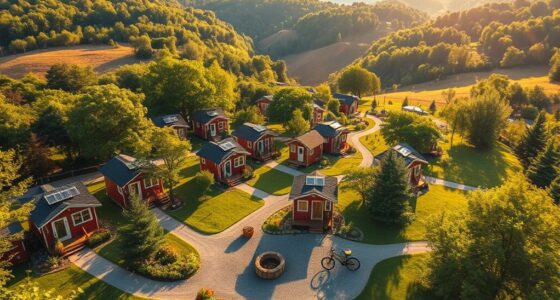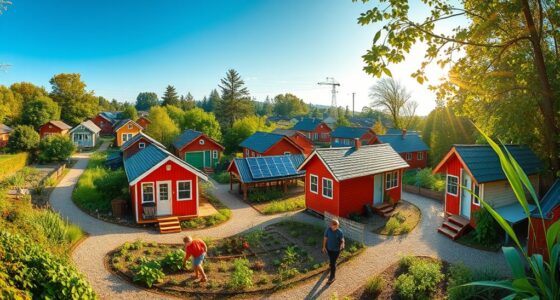
Cooperative tiny house villages in Europe provide an eco-friendly, affordable housing option where you can actively participate in community decision-making and resource sharing. These villages emphasize sustainable design, green building techniques, and communal spaces, fostering strong social bonds and a sense of belonging. By choosing to live in one, you embrace a minimalist, environmentally conscious lifestyle that benefits both you and the planet. Explore further to discover how these innovative communities are shaping a greener future.
Key Takeaways
- Numerous European projects promote cooperative tiny house villages emphasizing sustainability and community engagement.
- These villages often incorporate eco-friendly building techniques like solar energy, rainwater harvesting, and green materials.
- Residents actively participate in planning shared spaces, resource sharing, and decision-making processes.
- Common areas such as gardens, workshops, and co-working spaces foster social interaction and cooperation.
- Such villages offer affordable, minimalist living options aligned with environmental and social values across Europe.
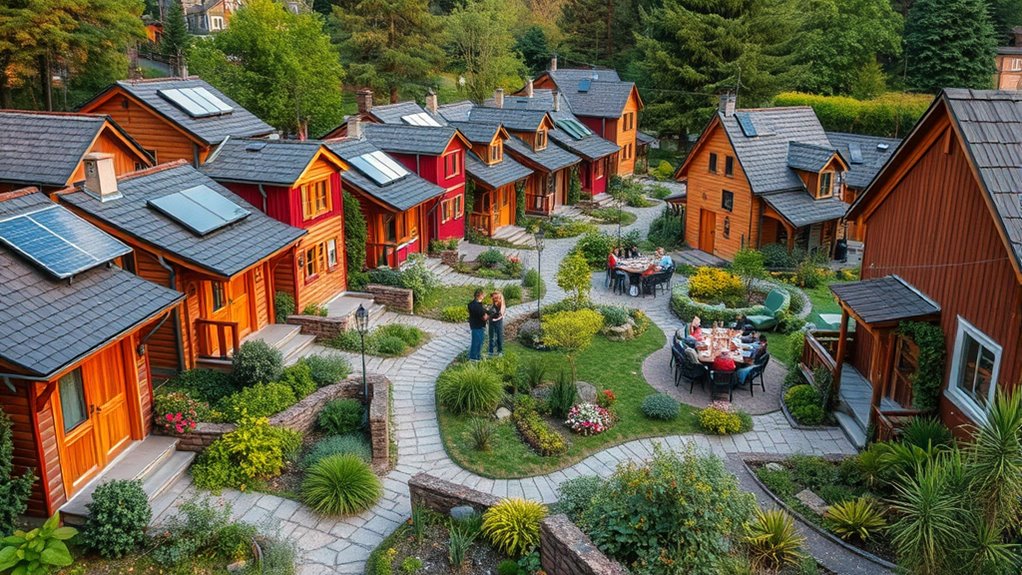
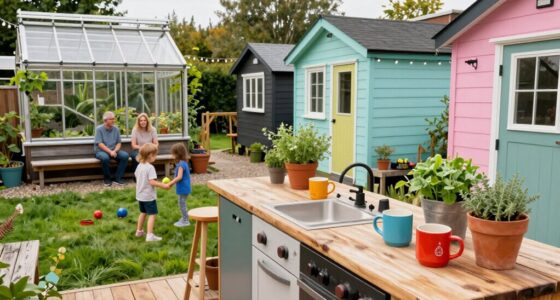
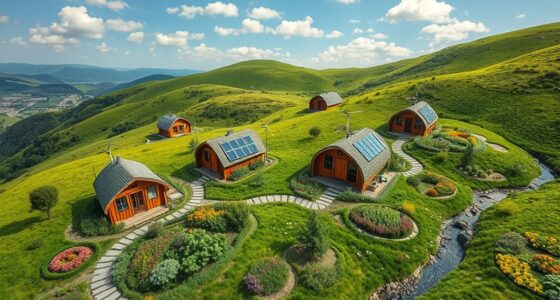
In recent years, cooperative tiny house villages have gained popularity across Europe as innovative solutions for sustainable and affordable living. These communities are designed with a focus on sustainable architecture, which means every tiny home is built to minimize environmental impact. You’ll notice features like energy-efficient insulation, solar panels, rainwater harvesting, and eco-friendly materials that reduce the carbon footprint of each dwelling. By choosing sustainable architecture, these villages not only lower residents’ living costs but also promote a greener lifestyle. As you explore these communities, you’ll see how thoughtful design integrates harmoniously with the environment, creating a space that’s both functional and eco-conscious. Incorporating green building techniques further enhances the sustainability of these villages. Community engagement plays a central role in the success of these tiny house villages. You’re encouraged to participate actively in decision-making processes, whether it’s planning shared gardens, organizing events, or maintaining communal spaces. This involvement fosters a sense of ownership and belonging, making the community feel more like a family rather than just a collection of individual homes. When you live in such a village, you realize that community engagement isn’t just about socializing; it’s about building relationships based on shared values and mutual support. This collaborative approach helps create resilient communities that can adapt to challenges together. The communal aspect extends beyond just social activities. You’ll find that residents often share resources like tools, vehicles, and even skills, which further enhances sustainability and reduces costs. This sharing economy not only cuts down on waste but also strengthens bonds among neighbors. *Furthermore*, these villages often feature common spaces such as community gardens, workshops, or co-working areas, which encourage interaction and cooperation. As you participate in these activities, you’ll see how community engagement transforms the living experience into something more meaningful and enriching. Living in a cooperative tiny house village gives you an opportunity to embrace a minimalist lifestyle while being part of a forward-thinking community. The combination of sustainable architecture and active community engagement creates an environment where you can live comfortably and responsibly. It’s a chance to step away from conventional housing models and contribute to a more sustainable future. Whether you’re seeking affordability, eco-consciousness, or social connection, these villages offer a compelling alternative. As you become part of this movement, you’ll discover that small living spaces can foster large impacts—on the environment, on your well-being, and on your sense of community.

113PCS Fairy Garden Accessories Kit with Solar Light-Up House & 2 Gift Bags – Waterproof Resin Miniature Fairy House & Accessories for Indoor & Outdoor Terrarium, Planter & Garden Decor Gift
【Solar Light-Up Fairy House – Soft Night Glow】Features a solar-powered fairy house that absorbs sunlight during the day…
As an affiliate, we earn on qualifying purchases.
As an affiliate, we earn on qualifying purchases.
Frequently Asked Questions
How Do Cooperative Tiny House Villages Handle Shared Resources?
You share resources in cooperative tiny house villages by organizing community gardening and managing renewable energy systems together. Everyone contributes to maintaining the gardens, which provide fresh food and foster community bonds. You also collaborate on renewable energy projects, like solar panels, to reduce costs and environmental impact. This collective approach guarantees efficient use of resources, promotes sustainability, and strengthens your sense of community within the village.
What Are the Legal Challenges for Establishing Tiny House Cooperatives?
Legal challenges for establishing tiny house cooperatives are like steering a maze, with zoning restrictions and legal frameworks acting as walls. You might face hurdles in meeting local regulations or securing permits, especially since many jurisdictions lack specific laws for tiny homes. To succeed, you’ll need to work closely with authorities, adapt your plans, and advocate for clearer policies that recognize tiny houses as legitimate, sustainable living options.
How Is Decision-Making Structured Within These Villages?
You participate in community governance, where decision-making is typically collaborative and transparent. Residents share responsibilities, often forming committees to address issues like rules, maintenance, and community events. Cultural diversity enriches this process, fostering inclusive discussions and respecting different perspectives. You’ll find that decision-making balances individual needs with collective well-being, ensuring everyone has a voice. This structure promotes harmony, accountability, and shared ownership within the tiny house village.
Are There Financial Assistance Programs Available for Residents?
Yes, you can access financial assistance like grants and governmental support when living in these villages. Many programs aim to promote affordable housing and sustainable living, making it easier for residents to cover costs. You should research local initiatives, as eligibility varies by region. Applying for financial grants or support can considerably reduce your expenses, helping you enjoy the benefits of tiny house living while receiving the necessary financial backing.
What Sustainability Practices Are Common in These Communities?
You’ll find that sustainability practices in these communities often include harnessing renewable energy sources like solar panels and wind turbines to power homes efficiently. Community gardens are also common, encouraging residents to grow their own food and reduce reliance on external sources. These practices foster eco-friendly living, lower environmental impact, and strengthen community bonds, making your tiny house village a sustainable and thriving place to live.

KMJETNIVY Rainwater Harvesting System (2 x 3)
Adjustable Rainwater Collection System – invention patent pending!!!
As an affiliate, we earn on qualifying purchases.
As an affiliate, we earn on qualifying purchases.
Conclusion
Imagine living in a cooperative tiny house village in Europe, where community and sustainability thrive side by side. Many believe these villages aren’t just affordable, but also foster genuine connections and eco-friendly lifestyles. While some skeptics doubt their scalability, evidence shows that cooperative models can successfully create resilient, close-knit communities. So, you might find that tiny houses aren’t just a trend—they could very well be a sustainable solution shaping Europe’s future.

Tiny Houses Built with Recycled Materials: Inspiration for Constructing Tiny Homes Using Salvaged and Reclaimed Supplies
As an affiliate, we earn on qualifying purchases.
As an affiliate, we earn on qualifying purchases.
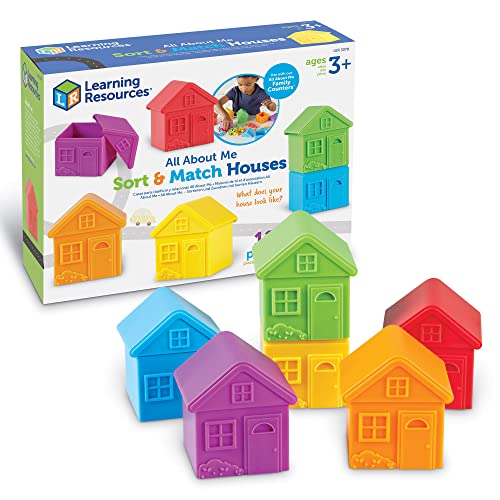
Learning Resources All About Me Sorting Houses – 12 Pieces, Ages 3+ Fine Motor & Sorting Skills, Montessori Toys, Special Education Actives, Imaginative Play
NEW COLORFUL HOUSES: GIVE your All About Me Family Counters new colorful houses!
As an affiliate, we earn on qualifying purchases.
As an affiliate, we earn on qualifying purchases.