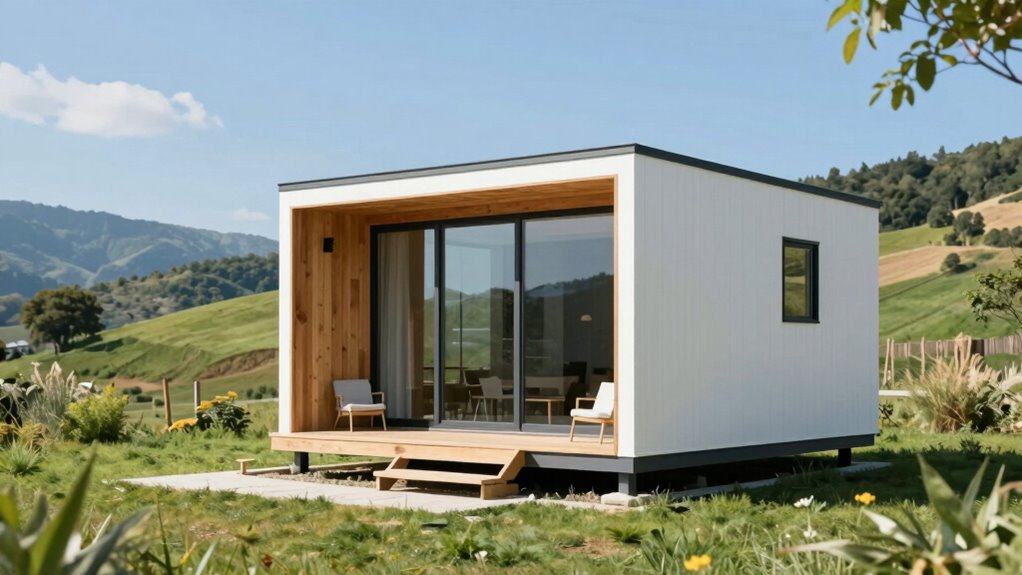

Yes, tiny homes can appreciate in value, especially if they feature innovative designs, eco-friendly amenities, and luxury touches. Location and compliance with zoning laws also play a big role in increasing their worth. Well-crafted interiors, smart technology, and community acceptance further boost market appeal. If you want to learn more about how various factors influence tiny home appreciation and how to maximize your investment potential, keep exploring what’s next.

Get compact home essentials delivered free with Prime
- Fast, free delivery on millions of items
- Prime Video, Amazon Music and more included
- Member-only deals all year
Key Takeaways
- Tiny home appreciation depends on innovative design, luxury amenities, and sustainable features that increase market appeal.
- Well-crafted interiors, smart technology, and eco-friendly finishes can boost resale value.
- Location, zoning compliance, and community acceptance significantly influence tiny home appreciation potential.
- Areas promoting affordable tiny living and infrastructure development tend to see faster value growth.
- Market trends toward sustainability and community acceptance positively impact tiny home investment appreciation.
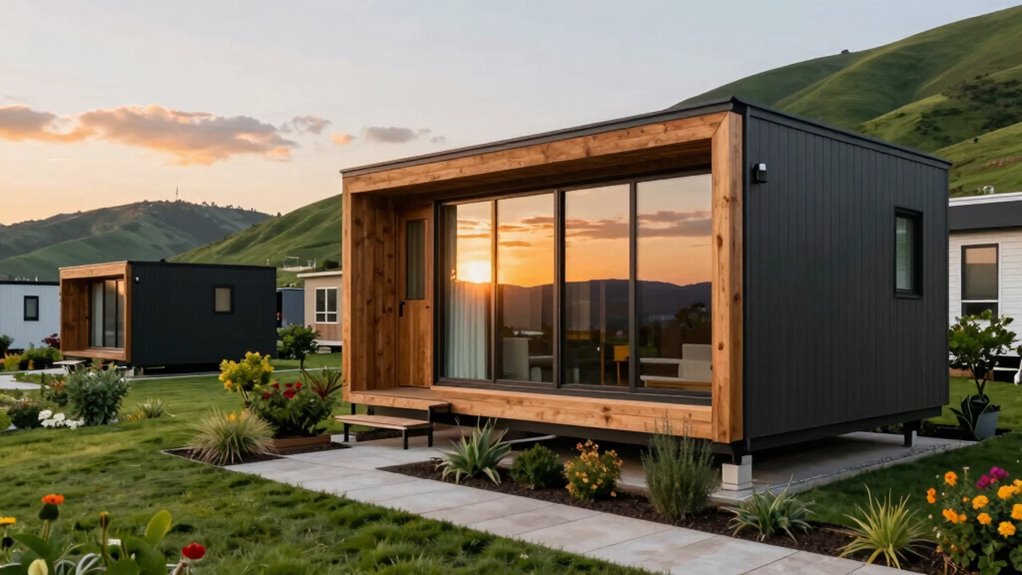
As the tiny home movement gains popularity, many buyers are discovering that these compact dwellings often appreciate in value more quickly than traditional homes. This unexpected trend catches many by surprise, especially since tiny homes are often seen as affordable, temporary solutions rather than long-term investments. The key factors influencing their appreciation include the charm of innovative design, the appeal of sustainable living, and, importantly, how well they fit into local real estate markets. While tiny homes generally cost less upfront, their potential to increase in value depends heavily on how you incorporate luxury amenities and navigate zoning regulations.
Luxury amenities can notably boost the value of a tiny home. When you add high-end appliances, stylish fixtures, or upgraded insulation, you’re elevating the home’s appeal beyond basic functionality. Modern, well-crafted interiors, smart home technology, and eco-friendly features make your tiny home stand out in the market. These enhancements appeal to a broader range of buyers, including those seeking a luxurious, low-maintenance lifestyle. Because tiny homes are customizable, investing in quality finishes and innovative amenities can make your property more attractive, potentially driving up its market value over time.
Adding luxury features and high-quality finishes can significantly increase your tiny home’s market value over time.
However, zoning regulations are a vital factor you can’t ignore. Many areas have strict rules about where tiny homes can be placed and whether they qualify as legal dwellings. If your tiny home complies with local zoning laws and is situated in a desirable location, its chances of appreciating in value increase. Conversely, if zoning restrictions limit your options or make it difficult to install your tiny home legally, its resale potential diminishes. Understanding these regulations beforehand saves you from surprises and helps you choose a location that supports your investment goals. Additionally, local regulations can vary significantly and impact how easily you can expand or modify your tiny home in the future. Interestingly, the growth of electric bikes and other eco-friendly transportation options in certain areas can also influence the desirability and value of properties, including tiny homes.
The outlook for tiny home appreciation also depends on community acceptance and infrastructure. Some regions actively promote tiny home living as part of their affordable housing strategies, which can positively influence property values. Additionally, proximity to amenities, transportation, and natural attractions enhances desirability. If your tiny home is situated in an area experiencing growth or revitalization, its value could appreciate more rapidly. Furthermore, understanding the importance of local regulations can help you better anticipate how your tiny home might perform as an investment. Moreover, sustainable living trends are increasingly influencing buyer preferences, further impacting tiny home values positively. Staying informed about market demand and how it shifts over time can also help you make smarter investment decisions regarding tiny homes.
As an affiliate, we earn on qualifying purchases.
Frequently Asked Questions
Do Tiny Homes Increase in Value Over Time?
Tiny homes can increase in value over time, especially if you invest in luxury amenities and custom designs that appeal to buyers. Upgrading your tiny home with modern features and personalized touches can boost its market appeal, making it more desirable. While they may not always appreciate like traditional properties, well-maintained tiny homes with unique, high-end features have a better chance of gaining value as trends shift toward minimalist living.
How Does Location Affect Tiny Home Appreciation?
Location considerably impacts your tiny home’s appreciation. Urban zoning laws can restrict or support tiny home development, affecting their value growth. If your tiny home is in an area with scenic appeal, it becomes more desirable, boosting potential appreciation. Consider whether the location offers amenities, accessibility, and legal allowances for tiny homes. A well-chosen spot with favorable zoning and scenic views helps your tiny home hold or increase its value over time.
Are Tiny Homes Good Investments Long-Term?
Yes, tiny homes can be good long-term investments if you stay updated on Tiny Home Trends and focus on Small Space Design. As these trends grow, your tiny home might appreciate in value, especially if it’s well-maintained and located in a desirable area. However, keep in mind that the market fluctuates, and success depends on factors like location, quality, and how well you adapt to evolving preferences.
What Factors Influence Tiny Home Resale Value?
Your tiny home’s resale value can skyrocket or plummet based on several factors. Luxury amenities and current design trends considerably influence its appeal, making it more attractive to buyers. The quality of construction, location, and how well you maintain it also matter. If you incorporate popular features and stay up-to-date with design trends, you’ll boost its resale value and attract more potential buyers.
Can Tiny Homes Be Insured for Their Full Value?
Yes, you can insure your tiny home for its full value, but you might face valuation challenges because tiny home insurance policies often consider factors like construction materials and location. To guarantee proper coverage, work with insurers experienced in tiny home insurance, provide detailed documentation of your home’s value, and be prepared for potential appraisal processes. This way, you protect your investment despite valuation challenges.
Conclusion
While tiny homes may not skyrocket in value like traditional properties, they often offer a charming and practical alternative that can appreciate steadily over time. Embracing the unique appeal of these compact dwellings might gently enhance your investment’s worth, especially in appreciating neighborhoods or with thoughtful upgrades. Ultimately, with patience and care, your tiny home can become a tasteful treasure, quietly enriching your lifestyle and financial landscape in a subtle, yet meaningful way.
Columbus Day / Indigenous Peoples' Day Picks
long weekend sales
As an affiliate, we earn on qualifying purchases.