
For efficient heating in your tiny house, consider solar-powered radiant panels. These panels harness sunlight, converting it into warmth that evenly heats surfaces and objects, which keeps the space cozy without bulky heaters. Placing panels on your roof or walls optimizes sunlight absorption and reduces energy costs. Combining radiant heating with proper insulation and sealing drafts boosts comfort and efficiency even more. Want to discover how to make your tiny house warmer with less energy? Keep exploring for expert tips.
Key Takeaways
- Install solar-powered radiant panels on walls or roof for space-efficient, renewable heating.
- Pair radiant panels with proper insulation and sealing to maximize heat retention.
- Use passive solar design strategies to optimize sunlight exposure and heating efficiency.
- Incorporate energy-efficient appliances and practices to reduce overall heating needs.
- Consider combining solar radiant heating with supplemental methods like small electric heaters for colder periods.
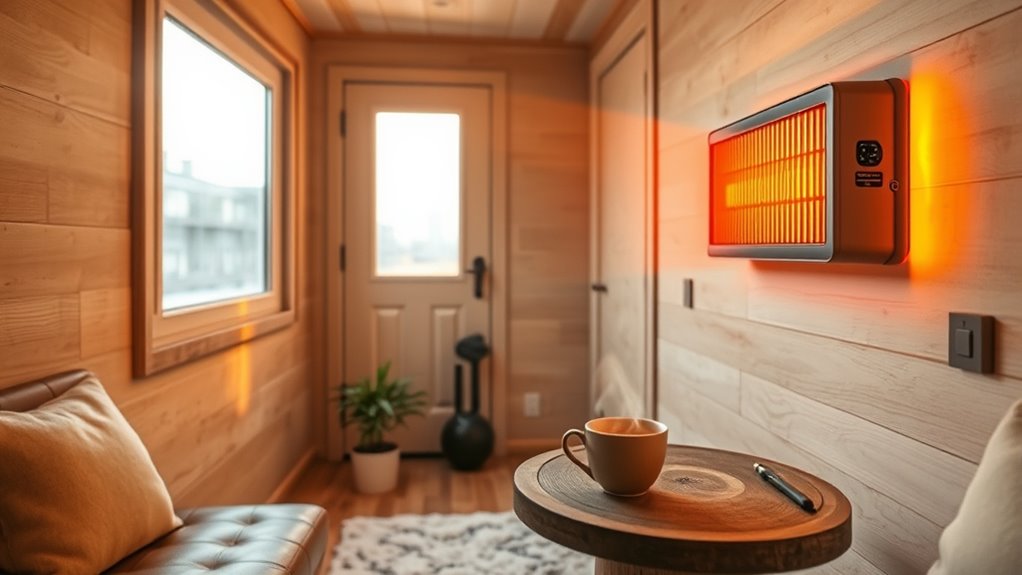
Are you looking for ways to keep your home warm while saving on energy costs? If you live in a tiny house, you know that space is limited, but that doesn’t mean you have to sacrifice comfort. One of the most effective and eco-friendly options you can consider is solar heating, especially through radiant panels. Solar heating uses the sun’s energy to generate warmth, reducing your reliance on traditional heating systems and cutting down on energy bills. Radiant panels are a smart addition because they efficiently transfer heat directly into your living space, providing consistent warmth without wasting energy.
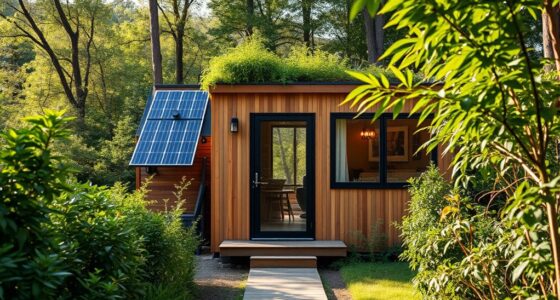
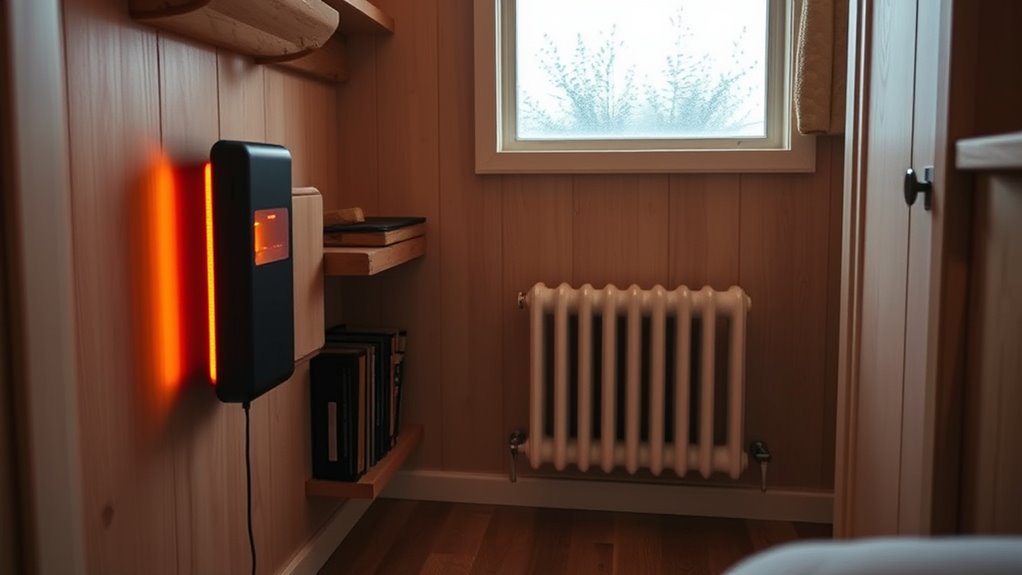
Installing solar heating systems with radiant panels involves positioning them where they can maximize sunlight exposure, such as on your roof or nearby walls. These panels absorb sunlight during the day and convert it into heat, which then radiates into your home. Unlike conventional heaters that warm the air, radiant panels emit heat directly onto surfaces and objects, creating a cozy environment quickly and evenly. This method is especially advantageous in tiny houses because it minimizes heat loss and ensures you get the most out of the energy you harness from the sun.
Position radiant panels on your roof or walls to maximize sunlight and warmth.
Since tiny houses tend to have limited insulation, radiant panels paired with solar heating can be particularly effective. They keep your space warm without requiring large, bulky heaters that take up valuable space. Plus, radiant panels operate silently, so you won’t be disturbed by noise, and they often require less maintenance compared to other heating options. When combined with other energy-efficient practices, such as proper insulation and sealing drafts, solar radiant heating can keep your tiny house comfortably warm even during colder months.
Another benefit is that solar heating is sustainable and environmentally friendly. You’re harnessing free, renewable energy, which reduces your carbon footprint. Over time, the initial investment in solar panels and radiant systems pays off through lower utility bills and increased energy independence. You don’t have to worry about fluctuating fuel prices or power outages as much, since you’re generating your own heat from the sun.

30W Single Chicken Coop Heater, Solar Powered Heater, 30W Single Solar Panel Heater Portable Solar Panel, Rechargeable Solar Panel Fan Kit for Outdoor Drying Heating Pet House Warm Wind Gear
Robust Structure: Combining sturdy PET and monocrystalline silicon, this solar panel car heater is built to last through…
As an affiliate, we earn on qualifying purchases.
As an affiliate, we earn on qualifying purchases.
Frequently Asked Questions
Can Solar-Powered Heaters Be Effective in Tiny Houses?
Yes, solar-powered heaters can be effective in tiny houses. Their solar efficiency depends on your location and the size of your solar panels, which should be optimized for maximum sunlight capture. Battery storage plays a vital role by storing excess energy for cloudy days or nighttime use, ensuring consistent warmth. With proper setup, solar heaters offer an eco-friendly, cost-effective heating option tailored for tiny house lifestyles.
What Is the Maintenance Cost of Different Heating Systems?
Imagine you’re stepping into a time machine—now, compare costs of tiny house heating systems. Electric heaters usually have low maintenance but can be pricey to run, while propane units require regular checks, increasing maintenance frequency. Wood stoves need more upkeep but are cost-effective long-term. A clear cost comparison shows that your choice depends on balancing initial investment, ongoing maintenance, and energy costs.
How Do Heating Options Affect Tiny House Insulation Requirements?
Heating options directly impact your tiny house’s insulation efficiency and heating compatibility. If you choose a high-efficiency heater, your insulation doesn’t need to be as robust, saving space and materials. Conversely, less efficient systems require better insulation to retain heat, which may increase costs. Consider your heating compatibility with your insulation; well-matched systems optimize energy use and comfort, making your tiny house cozy year-round.
Are There Portable Heating Solutions Suitable for Tiny Houses?
Imagine cozy evenings wrapped in warmth—portable heaters offer just that for your tiny house. These space heating solutions are compact, easy to move, and perfect for spot heating or whole-room comfort. You can choose from electric, propane, or kerosene options, providing flexibility and convenience. With careful placement, portable heaters help maintain a comfortable temperature without the need for permanent installations, making them ideal for tiny house living.
What Are the Safety Considerations for Various Heating Methods?
You should prioritize safety when choosing heating methods for your tiny house. Always consider the fire hazard associated with space heaters or open flames, ensuring they are properly vented and kept away from combustible materials. Use carbon monoxide detectors if you opt for fuel-burning appliances, and never leave them unattended. Regular maintenance and proper installation help prevent dangerous leaks or fires, keeping your tiny home safe and cozy.

Renogy Solar Panels 200 Watt N-Type 16BB, 2PCS 100 Watt Solar Panel 12V 25% High-Efficiency, 200W Solar Panel for RV Marine Rooftop Farm Battery and Other Off-Grid Applications
Unmatched Cell Efficiency – Renogy 100w solar panel features grade A+ cells, delivering an impressive conversion efficiency of…
As an affiliate, we earn on qualifying purchases.
As an affiliate, we earn on qualifying purchases.
Conclusion
When choosing a heating solution for your tiny house, it’s tempting to believe that the smallest options are always the most efficient. But research shows that combining insulation with smart heating systems can outperform traditional methods. So, don’t just settle for the obvious. By investigating these options and thinking outside the box, you might find that the most efficient warmth isn’t what you expect. Sometimes, questioning the norm leads to the best solution.

35 sqft Electric Floor Heating Mat Kit with Programmable GFCI Thermostat – Radiant Underfloor Heating System for Ceramic Tile, Stone – Sticky Mesh Heating Mat, Energy-Efficient Heated Bathroom Floor
FULL KIT – includes 120V Floor Heating Mat, Radiant Floor Heating Thermostat ET-72G (Digital 7-day Programmable w/ backlit…
As an affiliate, we earn on qualifying purchases.
As an affiliate, we earn on qualifying purchases.

Gaiatop Mini Space Heater, Lightweight PTC Ceramic Fast Heating 500W Energy Efficient for Indoor Use, Overheating & 45° Tip-Over Protection, Portable Desk Electric Heaters for Office Home Black
Compact and Space-Saving Design: Our space heater features a compact and sleek design that takes up minimal space….
As an affiliate, we earn on qualifying purchases.
As an affiliate, we earn on qualifying purchases.