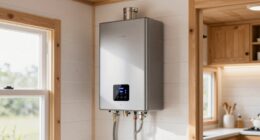
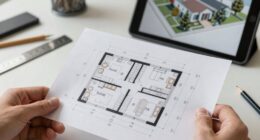
Start by evaluating your energy sources, like checking if your solar panels are clean and working well. Inspect your insulation, seals, windows, and doors for drafts or gaps, sealing leaks with weatherstripping or caulking. Upgrade to energy-efficient appliances and switch to LED lighting. Monitor your heating and cooling systems, making sure they operate efficiently and aren’t losing heat. By systematically reviewing these areas, you’ll uncover ways to cut energy waste—explore each step more closely to optimize your tiny home’s efficiency.
Key Takeaways
- Inspect and evaluate the current energy sources, including solar panels and grid usage, for efficiency and potential improvements.
- Conduct a thermal scan to identify insulation gaps, air leaks, and temperature inconsistencies throughout the tiny home.
- Examine windows, doors, and lighting fixtures, upgrading to energy-efficient options and ensuring proper seals.
- Assess heating, cooling, and ventilation systems for efficiency, sealing leaks, and optimizing airflow.
- Review appliances and electronics, unplugging unused devices and replacing old units with energy-efficient models.
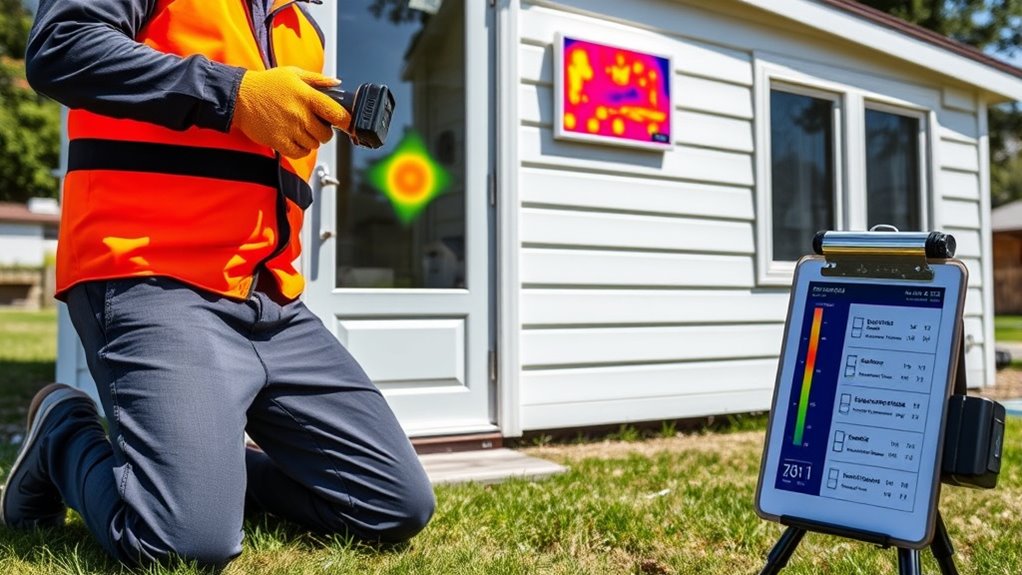
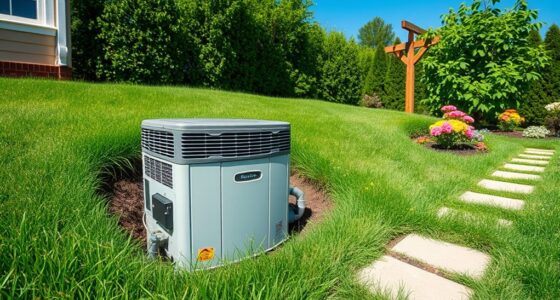
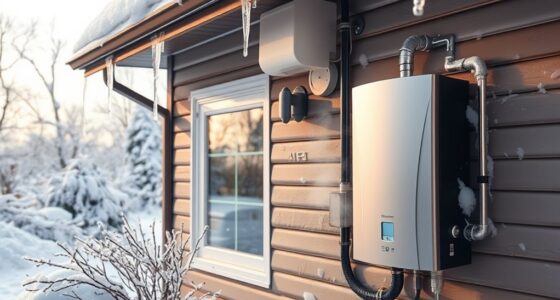
Have you ever wondered how to make your tiny home more energy-efficient? Conducting an energy audit is a smart way to identify where you’re losing energy and discover practical improvements. It’s easier than you might think, and the results can substantially cut your utility bills while making your space more comfortable. The first step involves evaluating your current energy setup, including your use of renewable options like solar panels. Solar panels are a fantastic addition to tiny homes because they generate clean, renewable energy. Check if your existing solar setup is functioning at its best—look for signs of dirt, shading, or damage that might reduce efficiency. If you don’t have solar panels yet, consider installing them, especially if your tiny home gets ample sunlight. They can offset energy consumption from the grid and make your home more self-sufficient. Beyond solar, pay close attention to how your home retains heat or cool air. Proper insulation is key here. Investigate the insulation methods used in your walls, roof, and floors. Common insulation materials include spray foam, fiberglass batts, or rigid foam boards. Confirm there are no gaps, leaks, or areas where insulation might be compressed or displaced. Sealing these gaps with weatherstripping or caulking can prevent drafts and keep your tiny home warm in winter and cool in summer. As you perform your audit, don’t forget to examine your windows and doors. Single-pane windows are less efficient than double-pane options, so consider upgrading or adding window coverings that can help insulate. Light fixtures can also influence energy use; switching to LED bulbs reduces electricity consumption, especially if you’re relying on solar power. Another aspect to review is your heating and cooling systems. If you’re using space heaters or small HVAC units, make sure they’re energy-efficient models. Check their seals, filters, and settings to maximize performance. During your audit, take note of any areas where heat or cold escapes, such as poorly sealed vents or gaps in the building envelope. Use a thermal camera if possible to spot hidden leaks or temperature inconsistencies. Finally, evaluate your appliances and electronics. Choose energy-efficient models and unplug devices when not in use to prevent phantom loads. Keep your tiny home’s layout in mind—an open plan can help with air circulation, but it also means you need to pay closer attention to insulation and airflow to prevent energy waste. Additionally, considering energy-efficient appliances can further enhance your home’s overall efficiency. By systematically reviewing these aspects—solar panels, insulation methods, windows, appliances, and systems—you’ll gain a clear picture of your tiny home’s energy performance. Implementing small improvements based on your findings can lead to substantial savings and a more sustainable living space. An energy audit isn’t a one-time task; revisit it periodically to ensure your tiny home remains energy-efficient as your needs and technology evolve.
Top picks for "perform energy audit"
Open Amazon search results for this keyword.
As an affiliate, we earn on qualifying purchases.
Frequently Asked Questions
How Often Should I Conduct an Energy Audit on My Tiny Home?
You should conduct an energy audit on your tiny home at least once a year, ideally during seasonal maintenance. Regular monitoring of your energy consumption helps identify inefficiencies and track improvements. If you notice increased energy use or unusual bills, consider doing an audit sooner. Consistent audits guarantee your tiny home stays energy-efficient, saving you money and reducing your environmental impact over time.
What Tools Are Necessary for a DIY Energy Audit?
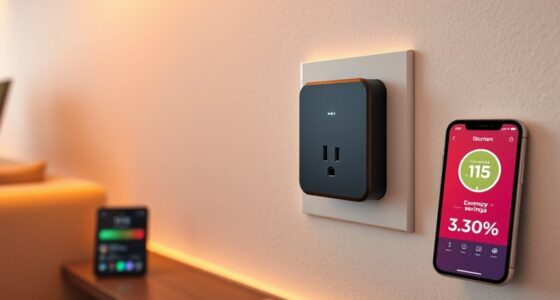
Think of your toolkit like a Swiss Army knife for a DIY energy audit. You’ll need a flashlight to inspect insulation, a thermal camera or an infrared thermometer to identify heat leaks, and a blower door test kit to evaluate airtightness. Also, use a power meter to check energy-efficient appliances and identify areas for insulation enhancements. These tools help you pinpoint energy waste and boost your tiny home’s efficiency.
Can an Energy Audit Improve the Resale Value of My Tiny Home?
An energy audit can definitely boost your tiny home’s resale value by highlighting energy efficiency improvements that appeal to buyers. When you conduct an audit, you identify areas to upgrade, making your home more attractive during valuation. This exemplifies your commitment to sustainable living and can lead to a higher home valuation. Ultimately, showcasing energy-efficient features can set your tiny home apart in the market, increasing its resale value.
Are There Any Government Incentives for Energy-Efficient Tiny Homes?
Yes, there are government incentives for energy-efficient tiny homes. You might qualify for government grants and tax incentives that help offset the costs of upgrades and sustainable features. Keep an eye on local and federal programs, as they often promote energy efficiency with financial support. By taking advantage of these incentives, you can make your tiny home more eco-friendly and save money in the long run.
How Can I Prioritize Energy-Saving Improvements After an Audit?
After your audit, you should prioritize energy efficiency by focusing on retrofit strategies that target the biggest savings first. Start with upgrading insulation, sealing leaks, and installing energy-efficient windows. Then, consider replacing old appliances and HVAC systems with high-efficiency models. These improvements will maximize your tiny home’s energy savings, reduce costs, and enhance comfort. Continuously monitor your energy use to identify further opportunities for efficiency upgrades.
Conclusion
Performing an energy audit on your tiny home might seem overwhelming at first, but think of it like a quick check-up for your space. By identifying areas where energy escapes—like drafts or inefficient appliances—you can make simple improvements that save money and boost comfort. Imagine sealing gaps like a cozy sweater or upgrading to LED bulbs; these small steps add up. With a little effort, you’ll enjoy a more efficient, eco-friendly tiny home that feels just right.