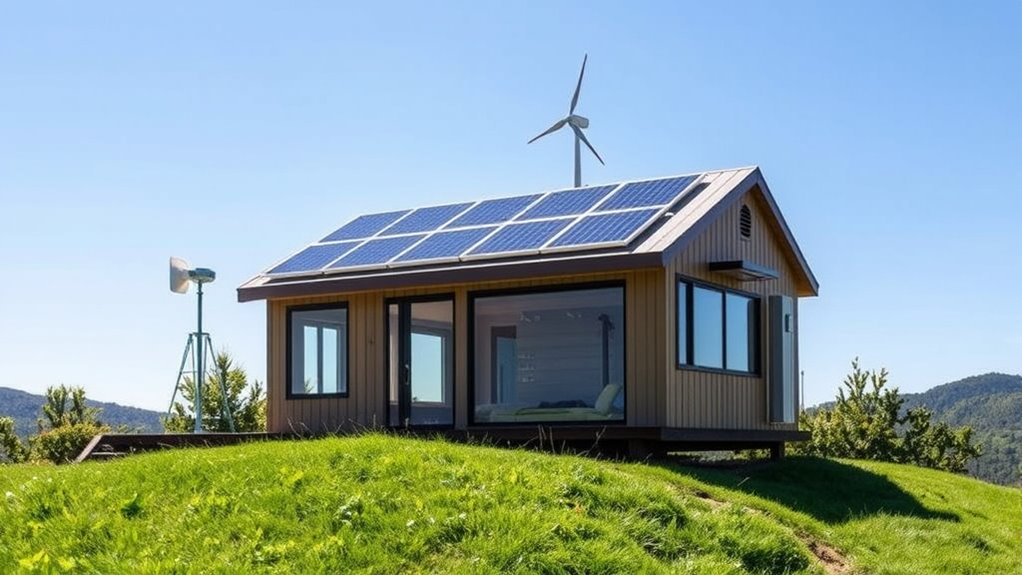

To design an energy-positive tiny home, focus on integrating high-quality solar panels with strategic placement for maximum sun exposure, especially on the south-facing side. Combine this with passive design strategies such as optimizing orientation, using thermal mass materials, and controlling shading to minimize energy use. Use well-insulated, efficient materials and create a compact layout to reduce thermal losses. When these elements work together, your home can produce more energy than it consumes—learn how to make this happen successfully.
Key Takeaways
- Incorporate high-efficiency photovoltaic panels oriented south for maximum solar energy capture.
- Design with passive strategies like strategic fenestration, thermal mass, and shading to reduce energy needs.
- Use high R-value insulation and airtight construction to minimize heating and cooling demands.
- Combine passive design with energy storage solutions for reliable, surplus energy production.
- Create a compact, well-insulated layout that maximizes natural light and airflow for optimized energy efficiency.

Designing an energy-positive tiny home means creating a space that produces more energy than it consumes, allowing you to live sustainably and reduce your environmental impact. To achieve this, you need to focus on intelligent design choices that maximize efficiency and harness renewable resources. One of the most effective strategies is solar integration. By installing high-quality photovoltaic panels, you can capture sunlight and convert it into electricity, powering your home and even generating excess energy to feed back into the grid or store for later use. Proper placement and orientation of your panels are essential; ideally, they should face south (in the northern hemisphere) to maximize sun exposure throughout the day. Supplementing solar panels with energy storage solutions like batteries ensures you can draw on your stored power during cloudy days or at night, maintaining a steady energy supply.
However, solar integration alone isn’t enough. Passive design plays a key role in reducing your energy needs from the outset. Passive design involves strategically orienting your tiny home to optimize natural light and airflow, minimizing reliance on artificial lighting and mechanical cooling or heating systems. For example, large south-facing windows allow ample sunlight to warm your space during winter, while properly placed shading or overhangs prevent overheating during summer. Incorporating natural ventilation through well-placed windows, vents, and cross-breezes helps maintain comfortable indoor temperatures without turning on air conditioning. Using thermal mass materials like concrete or stone can absorb and store heat during the day, releasing it when temperatures drop, further reducing your energy use.
Material choices also matter when aiming for energy positivity. Insulation with high R-values keeps your home warm in winter and cool in summer, decreasing your heating and cooling demands. Compact, efficient layouts reduce the surface area exposed to external elements, making it easier to maintain comfortable indoor conditions with less energy. Integrating passive design principles with solar technology creates a synergistic effect, where your home naturally maintains an ideal climate, reducing energy consumption and enhancing your ability to generate surplus power. Additionally, understanding building envelope concepts can significantly improve your home’s energy performance by minimizing thermal bridging and air leaks.
As you design your tiny home, focus on balancing these elements. Use solar integration not just as an energy source but as part of a thorough plan that emphasizes passive design to minimize your overall energy footprint. By doing so, you’ll create a home that not only meets your needs but also contributes positively to the environment. Living in an energy-positive tiny home becomes a practical, rewarding choice—one that aligns sustainability with comfort and independence.

SUNGOLDPOWER 10PCS 500W Solar Panels Monocrystalline UL 61730, Grade A Solar Cell, Waterproof IP68, High Efficiency Solar Panel On/Off Grid Supplies for RV, Tiny house, Marine, Household (Total 5000W)
【High Efficiency Module】 : Sungoldpower UL61730 500W Solar panel comes with Mono PERC Half-Cut Technology and has a…
As an affiliate, we earn on qualifying purchases.
As an affiliate, we earn on qualifying purchases.
Frequently Asked Questions
What Are the Best Renewable Energy Options for Tiny Homes?
You should consider installing solar panels and small wind turbines for your tiny home. Solar panels are highly effective, cost-efficient, and easy to set up, providing reliable energy during sunny days. Wind turbines can complement solar by generating power on cloudy or windy days. Combining both options guarantees a steady, renewable energy supply, making your tiny home energy-positive and environmentally friendly.
How Does Insulation Impact Energy Efficiency in Tiny Homes?
Insulation impacts your tiny home’s energy efficiency by enhancing thermal performance, keeping it warm in winter and cool in summer. Choosing the right insulation types, like spray foam or rigid foam boards, improves thermal performance by reducing heat transfer. Proper insulation minimizes energy loss, lowers heating and cooling costs, and creates a comfortable living space. Be sure to select insulation that suits your climate and enhances your tiny home’s overall energy-positive design.
Can Energy-Positive Tiny Homes Be Affordable for Most People?
Yes, energy-positive tiny homes can be affordable for most people. You can achieve this by focusing on cost reduction through smart material choices, like affordable insulation and sustainable, recycled materials. Additionally, investing in energy-efficient appliances and solar panels can lower long-term expenses. With strategic planning and budgeting, you’ll find that building an eco-friendly, energy-positive tiny home is a realistic and cost-effective option for many.
What Are Common Challenges in Designing Energy-Positive Tiny Homes?
You face common challenges like space limitations and structural constraints when designing energy-positive tiny homes. Limited space forces you to optimize every inch for efficiency and sustainability, while structural constraints may restrict the integration of solar panels or advanced insulation. Balancing these factors requires creative solutions and precise planning to make certain your tiny home remains energy-positive without sacrificing comfort or safety. Staying flexible and innovative helps you overcome these hurdles successfully.
How Do Weather Patterns Influence Tiny Home Energy Systems?
Imagine your tiny home as a sailboat adjusting its sails to the wind. Weather patterns influence your energy system like changing tides, requiring climate adaptation and seasonal energy management. When storms approach, you might rely more on stored energy, while sunny days boost solar gains. You must plan for these fluctuations to keep your home energy-positive, ensuring comfort and efficiency regardless of weather shifts.

The Solar House: Passive Heating and Cooling
Used Book in Good Condition
As an affiliate, we earn on qualifying purchases.
As an affiliate, we earn on qualifying purchases.
Conclusion
So, there you have it—build a tiny home that’s energy-positive, and you’ll impress your friends with your eco-warrior skills. Who knew saving the planet could be so stylish and compact? Just think, while others are stuck paying energy bills, you’ll be basking in free solar power and bragging about your “green” lifestyle. It’s the ultimate win-win: save the planet, look cool, and enjoy guilt-free living—what’s not to love?
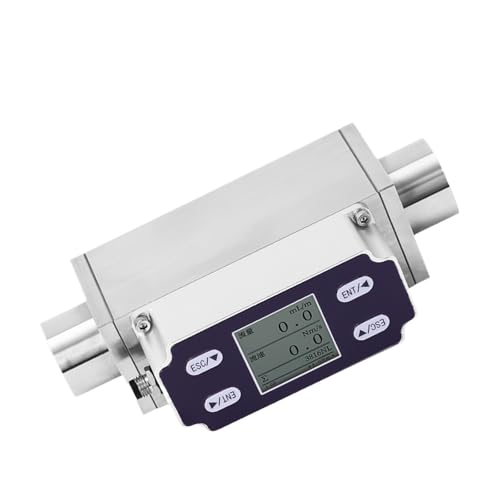
VPYKJL Thermal Mass Tiny MEMS Gas Flow Meter Digital Air Flow Sensor 4-20mA RS485 PNP DC24V High Accuracy Industrial(Air 3-300L-min)
Flowmeters
As an affiliate, we earn on qualifying purchases.
As an affiliate, we earn on qualifying purchases.

ECO-WORTHY (Cubix 100) 48V 400Ah 20.48kWh LiFePO4 Solar Battery, UL1973 & UL9540A & CEC Listed, 4 Pack 48V 100AH Server Rack Battery with Bluetooth for Solar Energy Storage, Home Backup Power
UL1973 | UL9540A | CEC LISTED – Completed comprehensive testing by Intertek and has officially earned two key…
As an affiliate, we earn on qualifying purchases.
As an affiliate, we earn on qualifying purchases.