
By 2026, you’ll see a major shift toward renewable energy sources like solar and wind, which are becoming more affordable and efficient. Fossil fuels will decline as stricter regulations and public pressure push for cleaner alternatives. Investments in green tech and smarter grid systems will improve energy storage and distribution. This progression promises a cleaner environment and more resilient infrastructure. Keep exploring to understand how these changes will impact your world even further.

Get compact home essentials delivered free with Prime
- Fast, free delivery on millions of items
- Prime Video, Amazon Music and more included
- Member-only deals all year
Key Takeaways
- Renewable energy adoption is expected to significantly increase, driven by technological advances and supportive policies.
- Fossil fuel use will decline steadily, with reduced coal and oil exploration and stricter environmental regulations.
- Investment in solar, wind, and green technologies will grow, making renewables more cost-effective and widespread.
- Energy storage and grid management innovations will ensure more reliable and decentralized renewable power.
- Environmental benefits and economic opportunities will accelerate the shift toward cleaner, more sustainable energy sources.
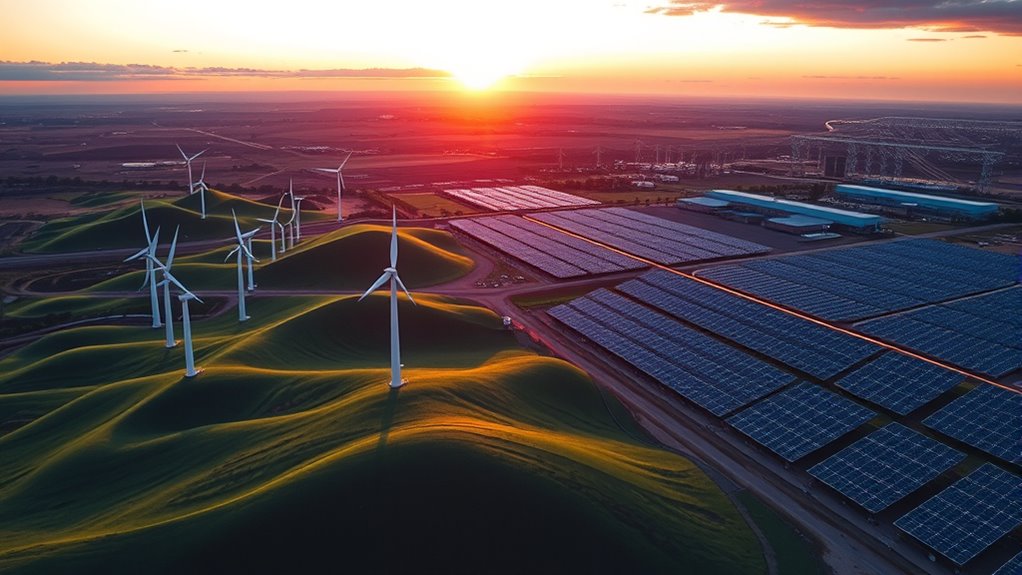
What can we expect from the energy landscape in 2026? The answer lies in the ongoing shift toward cleaner, more sustainable sources of power. Over the next few years, you’ll see a significant boost in renewable adoption, as solar, wind, and other renewable technologies become more affordable and efficient. Governments, businesses, and consumers are all driving this change, recognizing the urgency to cut carbon emissions and combat climate change. As renewable adoption accelerates, you’ll notice a steady decline in fossil fuel use, which has historically dominated the energy scene. This decline isn’t happening overnight, but the trend is clear—fossil fuels are losing ground to renewables, thanks to technological advancements, better storage solutions, and supportive policies.
In 2026, renewable energy will steadily replace fossil fuels driven by technological progress and supportive policies.
In 2026, the energy sector will look quite different from just a few years ago. You’ll see a growing number of energy projects focused on renewable sources, with investments pouring into solar farms, wind turbines, and innovative green technologies. Many countries are setting ambitious targets for renewable capacity, aiming to phase out coal and reduce reliance on oil and natural gas. This progression is driven by the decreasing costs of renewables, which make them not only environmentally preferable but also economically attractive. As a result, energy companies are shifting their focus, reallocating capital toward sustainable projects rather than fossil fuel extraction and infrastructure.
The decline of fossil fuels will continue to reshape the global energy landscape. You’ll observe a decrease in coal-fired power plants and an end to new oil exploration projects in many regions. This is partly due to stricter environmental regulations and public pressure to reduce emissions. Simultaneously, renewable energy will become more integrated into existing grids, thanks to advancements in energy storage and grid management technology. This integration allows renewables to provide consistent power, making the transition smoother and more reliable. The rise of decentralized energy systems—like rooftop solar and community wind projects—will also empower consumers to generate their own power, further reducing dependence on traditional fossil fuel sources.
All these changes point toward a future where cleaner energy sources dominate the market. You’ll notice that the economic and environmental benefits of renewable adoption are making fossil fuel decline inevitable. As the energy landscape continues to evolve in 2026, it’s clear that sustainable, renewable energy is not just an option anymore—it’s becoming the new standard. This progression offers a brighter, greener future, with cleaner air, reduced greenhouse gases, and a more resilient energy infrastructure.
As an affiliate, we earn on qualifying purchases.
Frequently Asked Questions
How Will Energy Prices Fluctuate Globally by 2026?
By 2026, you’ll see energy prices fluctuate due to ongoing price volatility influenced by geopolitical tensions, supply disruptions, and technological shifts. While some regions may experience market stability thanks to diversification and renewable adoption, others might face sharp price swings. Stay adaptable, as these fluctuations can impact costs for consumers and industries alike, making it essential to monitor global trends and policy changes to anticipate future price movements effectively.
What New Energy Sources Might Emerge by 2026?
By 2026, you’ll see innovative solar technologies becoming more efficient, making solar power even more affordable and widespread. Bioenergy breakthroughs will also emerge, allowing you to convert organic waste into clean energy easily. These new sources will help diversify your energy options, reduce reliance on fossil fuels, and support a more sustainable future. Expect rapid advancements that make renewable energy sources more practical, accessible, and essential for your everyday life.
How Will Energy Storage Technology Evolve in 2026?
Imagine a sleek, glowing battery pack seamlessly syncing with the grid, transforming energy storage by 2026. You’ll see innovations in battery technology that make storing power more efficient and durable, while advanced grid integration lets you harness renewable energy effortlessly. This evolution means your energy system becomes smarter, more reliable, and ready to meet the demands of a sustainable future, ensuring you always have power when you need it most.
What Policies Will Influence Energy Trends in 2026?
In 2026, you’ll see policies driven by renewable incentives and stricter carbon regulations that push energy trends forward. Governments will offer incentives to boost renewable energy adoption, making clean power more affordable, while tighter carbon regulations will encourage industries to reduce emissions. These policies will accelerate the shift toward sustainable energy sources, prompting you to adopt cleaner technologies and support initiatives that align with these regulatory changes.
How Will Consumer Energy Consumption Habits Change by 2026?
By 2026, you’ll likely adopt smarter habits, using a smart home to optimize energy efficiency. You’ll rely on connected devices that automatically adjust settings to save power, reducing waste. You may also shift to more sustainable energy sources and adopt energy-efficient appliances, making conscious choices. These changes will help you lower costs and lessen your environmental impact, aligning your consumption habits with the growing emphasis on sustainability and innovative technology.
Conclusion
You’re about to witness a transformation so huge, it’ll make history books jealous! By 2026, energy trends will reshape your world faster than you can say “renewable revolution.” Expect a surge so powerful, even your grandma’s old solar panels will be feeling jealous. The future is charging ahead at lightning speed, and you’re right in the middle of the electrifying chaos. Buckle up — this energy wave promises to blow your mind and change everything!
Columbus Day / Indigenous Peoples' Day Picks
long weekend sales
As an affiliate, we earn on qualifying purchases.