
When planning tiny home plumbing, focus on eco-friendly and space-saving solutions like solar water heaters and composting toilets. These systems reduce reliance on traditional plumbing, save space, and cut utility costs. Proper installation and maintenance are key to their efficiency and odor control. Combining these options creates a sustainable, low-maintenance setup perfect for tiny living. Keep exploring to discover more expert tips that can help you design the ideal tiny home plumbing system.
Key Takeaways
- Opt for compact, eco-friendly systems like solar water heaters and composting toilets to save space and reduce environmental impact.
- Ensure proper placement and insulation of solar heaters for maximum sunlight exposure and efficiency.
- Choose composting toilets with good ventilation and separate chambers for liquids and solids to minimize odors and ease maintenance.
- Incorporate water conservation techniques to enhance sustainability and reduce overall utility costs.
- Regularly maintain plumbing components to ensure efficiency, odor control, and long-term durability in a tiny home environment.

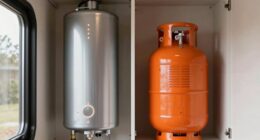
Ever wondered how plumbing works effectively in a tiny home? It’s all about smart planning and choosing the right systems that maximize space and minimize resource use. One popular solution is installing solar water heaters. These systems harness the sun’s energy to heat your water, reducing your reliance on traditional electric or gas water heaters. They come in various sizes, so you can pick one that fits your tiny home’s needs. Plus, solar water heaters are environmentally friendly and cost-effective over time, saving you money on utility bills. When installing a solar water heater, guarantee your tiny home has adequate sunlight exposure and proper insulation around the tank to keep the water hot longer. This way, you’ll always have hot water without sacrificing precious space or increasing your energy footprint.
Another key aspect of tiny home plumbing is choosing the right toilet system. Composting toilets are increasingly popular because they don’t require a connection to a sewer or septic system. Instead, they use natural processes to break down waste into compost, which you can often use as fertilizer after proper treatment. These toilets are compact, odor-free when maintained correctly, and ideal for off-grid living or areas with limited plumbing infrastructure. They also markedly reduce water consumption, sometimes using as little as a cup of water per flush or none at all. When installing a composting toilet, make sure you have good ventilation to control odors and a convenient location for easy maintenance. Some models come with separate chambers for liquids and solids, making the composting process more efficient and less messy. Incorporating water conservation techniques further enhances the sustainability of your tiny home plumbing system.
Both solar water heaters and composting toilets help you create a sustainable, self-sufficient tiny home. They’re designed to save space, reduce environmental impact, and lower ongoing costs. Incorporating solar water heaters means you don’t need bulky electric tanks taking up precious room, and you’ll enjoy the benefits of renewable energy. Meanwhile, composting toilets eliminate the need for complicated plumbing lines and septic connections, making them perfect for minimalist lifestyles or remote locations. When planning your tiny home plumbing system, consider these options carefully—they’re simple to maintain, eco-friendly, and tailored for small spaces. Combining these systems allows you to live comfortably and sustainably, without sacrificing convenience or environmental responsibility. With the right setup, your tiny home can be a model of efficient and eco-conscious living, proving that less really can be more when it comes to sustainable plumbing solutions.
Top picks for "expert advice tiny"
Open Amazon search results for this keyword.
As an affiliate, we earn on qualifying purchases.
Frequently Asked Questions
How Do I Prevent Odors in My Tiny Home Plumbing System?
To prevent odors in your tiny home plumbing system, guarantee your venting systems are properly installed and unobstructed, allowing gases to escape safely. Regular drain maintenance, like flushing with hot water and using enzyme cleaners, keeps pipes clear and odor-free. Avoid letting debris accumulate, and check vents periodically for blockages. These steps help maintain good airflow and prevent unpleasant smells from lingering in your tiny home’s plumbing.
What’s the Best Way to Insulate Tiny Home Pipes?
Sure, because freezing pipes overnight sounds like a fun winter surprise, you should insulate your tiny home pipes. Use quality insulation materials like foam pipe wrap or fiberglass to keep the cold out. Wrap your pipes snugly, ensuring no gaps, so they stay warm and functional. This simple step prevents bursts and keeps your tiny home cozy, saving you from chilly surprises and expensive repairs.
How Often Should I Flush My Tiny Home’s Water Heater?
You should flush your tiny home’s water heater at least once a year for proper water heater maintenance. Regular flushing helps remove sediment buildup, ensuring efficient operation and extending the heater’s lifespan. If you notice reduced hot water flow or strange noises, consider flushing more often. Stick to this schedule to keep your water heater in good condition and prevent costly repairs down the line.
Can I Install a Composting Toilet With Plumbing?
Yes, you can install a composting toilet with your plumbing system, but you need to guarantee compatibility. During composting toilet installation, check if it connects properly to your existing plumbing or if you require additional venting or drainage components. Properly integrating it ensures efficient operation and prevents odors. Consulting installation instructions or a professional can help you adapt your plumbing system for seamless composting toilet use.
What Are Common Signs of Plumbing Leaks in Tiny Homes?
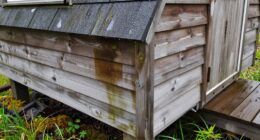
You might notice signs of plumbing leaks in your tiny home through unexpected water bills, damp spots, or mold growth. Keep an eye out for running toilets or dripping faucets, which can indicate leak detection issues. Regular pipe maintenance helps prevent leaks and catch problems early. If you spot any of these signs, address them promptly to avoid costly repairs and maintain a healthy, efficient tiny home environment.
Conclusion
With smart plumbing choices, you can save up to 30% on water bills in your tiny home. Remember, efficient fixtures and proper maintenance prevent costly leaks and clogs, keeping your space functional and cozy. Tiny home living is all about maximizing every inch—and every drop—of water. By applying expert tips, you’ll enjoy a sustainable, comfortable lifestyle that’s both eco-friendly and budget-friendly. Start implementing these strategies today, and watch your tiny home thrive!