

Many families have embraced tiny living and thrived by smart planning, prioritizing experiences over possessions, and creating organized, functional spaces. They often face initial challenges like managing clutter and adjusting routines but find long-term benefits such as financial freedom, stronger family bonds, and increased happiness. With discipline and creativity, they turn small spaces into fulfilling homes. Keep exploring to discover inspiring stories and practical tips that can help you on your tiny living journey.
Key Takeaways
- Many families report increased financial freedom and reduced expenses after downsizing to tiny homes.
- Challenges like limited space foster stronger family communication and creative storage solutions.
- Families often shift their focus from possessions to shared experiences and quality time.
- Successful tiny living requires discipline in decluttering, budgeting, and adapting routines.
- Numerous stories highlight improved well-being, happiness, and community connection through tiny living.

Many families have discovered that downsizing to a tiny home can lead to a more simplified, fulfilling life. But it’s not without its challenges. One of the biggest hurdles you might face is managing tiny house challenges that come with limited space. Living in a small area means every inch counts, so you’ll need to rethink how you organize and store your belongings. Clutter can quickly become overwhelming if you don’t stay disciplined, so investing in smart storage solutions becomes essential. Additionally, sharing a tiny space with family members requires patience and good communication. Everyone’s routines and habits have to adapt to make the environment comfortable for all. These challenges can seem intimidating at first, but with a bit of planning, you’ll find that the benefits outweigh the difficulties.
Family budgeting is another critical aspect when shifting to tiny living. Many families underestimate how much money they’ll save by downsizing, but it’s a significant benefit. Smaller homes usually mean lower mortgage or rent payments, reduced utility bills, and fewer expenses for maintenance and repairs. Still, you need to be strategic. You might find yourself reallocating funds from a larger home’s expenses into other priorities like travel, education, or savings. Budgeting effectively means creating a plan that accounts for both the basics and your family’s specific needs. Sometimes, you’ll need to cut back on non-essential spending to stay within your new financial limits. Managing family budgeting in a tiny home requires discipline, but it also offers a sense of control and financial freedom that many families find liberating.
As you embrace tiny living, you’ll realize that it’s not just about saving money or overcoming challenges—it’s about creating a lifestyle that prioritizes quality over quantity. You learn to value experiences over possessions, and you develop a stronger sense of community and connection within your family. Though adjusting to a smaller space and a tighter budget takes effort initially, it often leads to unexpected rewards. You might find that you spend more meaningful time together, that your stress levels decrease because you’re not burdened by financial strain or clutter, and that your overall happiness improves. Additionally, understanding size restrictions and ensuring compliance with local building codes can help you avoid legal issues and make your tiny home journey smoother. Tiny living isn’t for everyone, but countless families have proven that with the right mindset and planning, thriving in a tiny home is not just possible—it’s enriching.

Hallway Hacks for Tiny Houses and Studio Apartments : Smart Storage & Organization Solutions for Small Spaces
As an affiliate, we earn on qualifying purchases.
As an affiliate, we earn on qualifying purchases.
Frequently Asked Questions
How Do Families Finance Their Tiny Home Conversions?
You finance your tiny home conversion through careful financial planning, saving a portion of your income, and sometimes using loans or grants. Many families also leverage community support, like crowdfunding or local resources, to ease costs. By budgeting wisely and tapping into community networks, you can make your tiny home dream affordable and achievable, ensuring you have the funds needed for a successful conversion.
What Legal Challenges Do Tiny Homeowners Face?
You face legal challenges like zoning laws and building codes when living tiny. Zoning restrictions might prevent you from parking your tiny home on certain land or using it as a permanent residence. Building codes ensure safety but can be tricky to satisfy in tiny structures, especially if they aren’t designed for standard compliance. You’ll need to research local regulations carefully to avoid fines or having to relocate your tiny home.
How Do Families Manage Space and Privacy?
Imagine a cozy nest where shared sleeping is a daily act, yet personal boundaries are clearly defined. You manage space by creating designated zones, like fold-away furniture or curtains, to maintain privacy. Communication becomes your strongest tool, setting expectations and respecting each other’s needs. You adapt creatively, turning small spaces into private retreats, ensuring everyone feels secure and comfortable. This balance fosters harmony in your tiny home, making it a true sanctuary.
What Are the Biggest Lifestyle Adjustments?
You’ll quickly notice that living in a tiny community requires major lifestyle flexibility. You adapt by prioritizing shared spaces and simplifying daily routines, which fosters closer connections. You might need to change your expectations about privacy and storage, focusing instead on intentional living. This shift encourages you to be more mindful of your habits and possessions, creating a more connected, community-oriented lifestyle that promotes growth and resilience in your new tiny life.
How Do Families Handle School and Work Responsibilities?
Balancing school and work becomes manageable when you prioritize and plan. You’ll often find that leveraging community integration provides reliable resources and support, making daily duties easier. Many families incorporate outdoor living, using flexible schedules to study outside or work remotely in nature’s tranquility. With intentional time management and a strong support system, you can seamlessly handle responsibilities while enjoying the benefits of tiny living.

Furnimart Modern Small 3-Seater Sofa Set with Storage Ottoman, Compact Couch for Small Space, Chenille Fabric, Solid Wood Frame, Side Pocket & Storage Footstool, Living Room, Apartment(Grey)
[Space-Saving Sofa Set with Ottoman]: This modern 3-seater sofa comes with a matching storage ottoman (footstool). Perfect for…
As an affiliate, we earn on qualifying purchases.
As an affiliate, we earn on qualifying purchases.
Conclusion
Just like a seed that finds new roots in unlikely soil, these families prove that tiny living can flourish. Their stories are a gentle breeze guiding you toward simplicity and freedom, showing that less space doesn’t mean less life. Imagine carving out your own small sanctuary where joy grows wild and worries shrink. When you embrace the tiny journey, you open the door to a world where thriving isn’t just possible—it’s your new horizon.
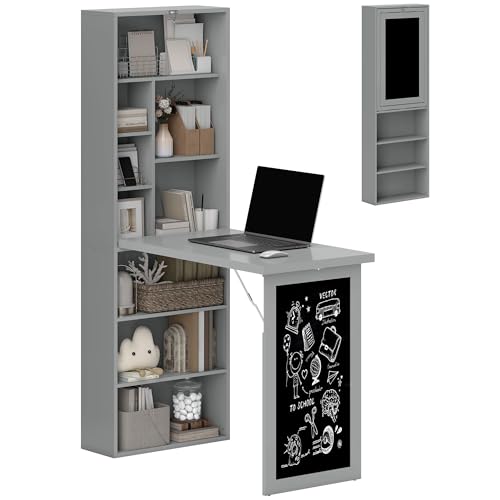
HOMCOM Fold-Out Convertible Writing Table, Computer Desk with Blackboard and Side Shelf Multi-Function Home Office Workstation, Charcoal Gray
Foldable Design: This convertible work desk folds up to save space when not in use, making it a…
As an affiliate, we earn on qualifying purchases.
As an affiliate, we earn on qualifying purchases.

10 Pack Mini Storage Baskets Bins, Plastic Organizer Basket, Colorful Shelf and Desk Make-up Storage Crate Organizing Containers, Ideal for Home Classroom Office Organization. 6.1"L x 4.5"W x 2.4"H
Optimal solution: Organize your space more efficiently by storing your favorite items in the practical storage baskets. Resilient,…
As an affiliate, we earn on qualifying purchases.
As an affiliate, we earn on qualifying purchases.