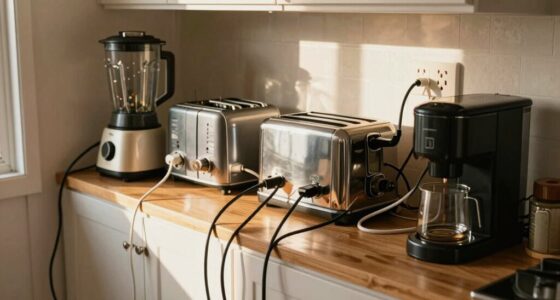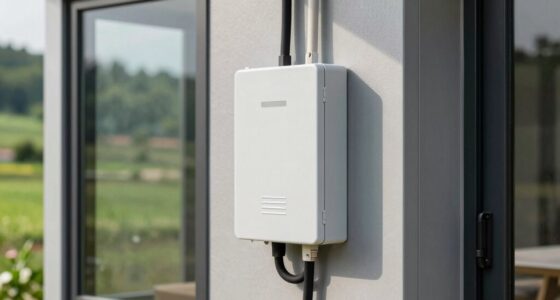
To keep your gas appliances safe, ensure proper ventilation by keeping vents clear and using exhaust fans correctly. Regularly inspect connections, hoses, and fittings for leaks using soapy water or electronic detectors. Always turn off appliances immediately if you smell gas or notice hissing sounds, and ventilate the area. Schedule routine inspections and follow manufacturer guidelines to prevent hazards. Staying proactive about safety can help you avoid dangerous situations—there’s more to contemplate to keep your home secure.

Get compact home essentials delivered free with Prime
- Fast, free delivery on millions of items
- Prime Video, Amazon Music and more included
- Member-only deals all year
Key Takeaways
- Regularly inspect and maintain gas connections, hoses, and fittings for leaks or damage.
- Ensure proper ventilation and keep vents and exhaust fans clear of obstructions.
- Use soapy water or electronic detectors to identify gas leaks promptly.
- Turn off appliances immediately and ventilate the area if a leak is detected.
- Follow manufacturer guidelines for installation, operation, and schedule routine safety inspections.
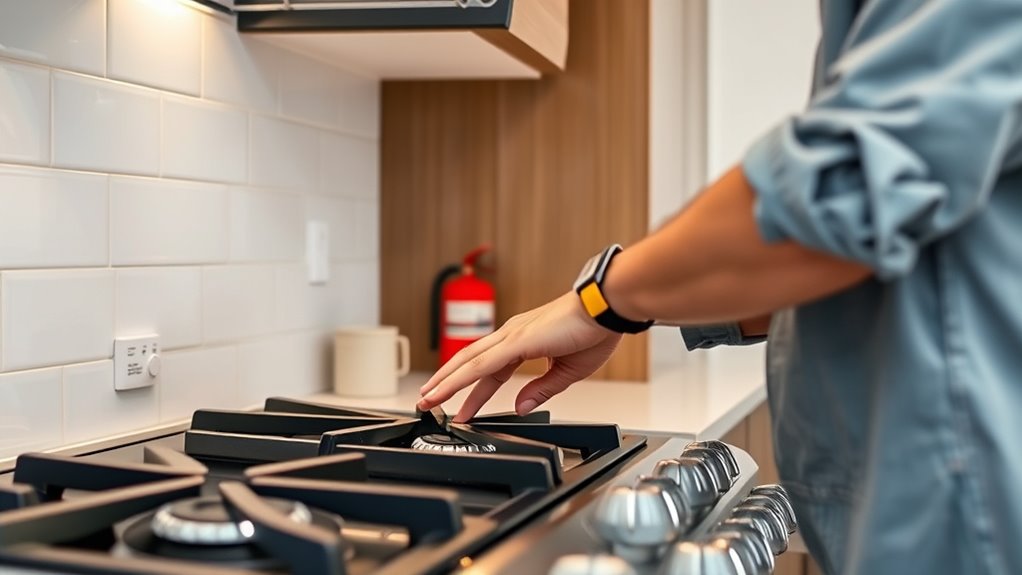
Gas appliances offer convenience and efficiency, but they can pose serious safety risks if not used properly. One of the most critical safety factors is ensuring proper ventilation. Ventilation requirements are designed to prevent the buildup of dangerous gases, such as carbon monoxide, which can be lethal if allowed to accumulate indoors. When installing or using gas appliances, you need to make sure the space has adequate airflow. This means keeping vents clear of obstructions, ensuring exhaust fans are functioning properly, and following manufacturer guidelines for ventilation. Proper ventilation not only keeps harmful gases out but also helps the appliance operate efficiently, reducing the risk of malfunction or fire.
In addition to ventilation, implementing effective leak detection methods is essential for safety. Gas leaks can happen unexpectedly due to faulty connections, damaged pipes, or corrosion over time. You should regularly inspect all connections, hoses, and fittings for signs of leaks. Using soapy water is a simple and reliable leak detection method—apply it to joints and check for bubbling, which indicates escaping gas. There are also electronic gas detectors available that can quickly alert you if harmful levels of gas are present. These detectors are especially valuable for areas where you might not easily notice a leak, such as behind appliances or in less accessible spots. Remember, catching a leak early can prevent serious accidents, including fires or poisoning.
Maintaining proper ventilation and using leak detection methods go hand-in-hand to create a safer environment. For example, if you detect a leak, turn off the appliance immediately, ventilate the area by opening windows or doors, and fix the leak before turning the appliance back on. Regularly scheduled inspections of your gas appliances and their connections are a good practice, especially if you notice any unusual smells or sounds. Never ignore the warning signs of a potential gas leak, such as hissing sounds or the smell of rotten eggs, which is added to natural gas for safety. Always ensure your ventilation systems are in good condition and that your leak detection devices are functioning properly. Incorporating AI-based monitoring tools can further enhance safety by providing continuous oversight and early warning alerts.
As an affiliate, we earn on qualifying purchases.
Frequently Asked Questions
How Often Should Gas Appliances Be Inspected Professionally?
You should schedule a professional inspection of your gas appliances at least once a year. An annual inspection schedule helps guarantee safety, efficiency, and proper functioning. Regular professional servicing can identify potential issues early, preventing dangerous leaks or malfunctions. If you notice any odd smells, unusual noises, or irregular operation, contact a technician immediately and consider more frequent inspections until the problem is resolved. Staying proactive keeps you safe.
What Are Signs of a Gas Leak I Should Look For?
If you suspect a gas leak, pay attention to signs like a strong gas odor or a gas hissing sound near your appliances. You might also notice dead or discolored plants around your home or bubbles in standing water. If you detect any of these signs, turn off the gas supply immediately, leave the area, and contact emergency services. Don’t attempt to fix the leak yourself—always call professionals.
Can I Install a Gas Appliance Myself?
Did you know that improper DIY installation causes over 30% of gas appliance accidents? You should never attempt DIY installation yourself because it jeopardizes appliance safety and increases risk of leaks or explosions. Always hire a qualified professional to guarantee your gas appliance is installed correctly and safely. This not only protects your home but also keeps you and your loved ones safe from potential hazards.
What Should I Do if I Smell Gas Unexpectedly?
If you smell a gas odor unexpectedly, act immediately by turning off the gas supply if possible. Ventilate the area by opening windows and doors. Avoid using electrical switches or open flames, as they could ignite the gas. Follow emergency procedures by evacuating the premises and calling your gas company or emergency services. Do not try to locate the leak yourself; leave it to professionals to handle safely.
Are There Specific Safety Tips for Indoor Gas Appliances?
Oh, the irony of trusting your indoor gas appliances without proper safety tips! You should guarantee proper gas venting to prevent dangerous buildup of carbon monoxide, which is invisible and odorless. Regularly inspect your appliances for leaks, keep vents clear, and install carbon monoxide detectors. Never ignore signs of malfunctions, and always prioritize ventilation—after all, a safe home is a smart home.
Conclusion
Now that you know the essential safety guidelines, you might think you’re prepared. But remember, a small oversight could lead to serious consequences. Always stay vigilant, regularly check your appliances, and never ignore warning signs. Are you truly safe? The next moment could be critical. Keep these tips in mind, stay alert, and guarantee your home remains a secure place—because when it comes to gas safety, one mistake is all it takes.
Halloween Picks
halloween
As an affiliate, we earn on qualifying purchases.