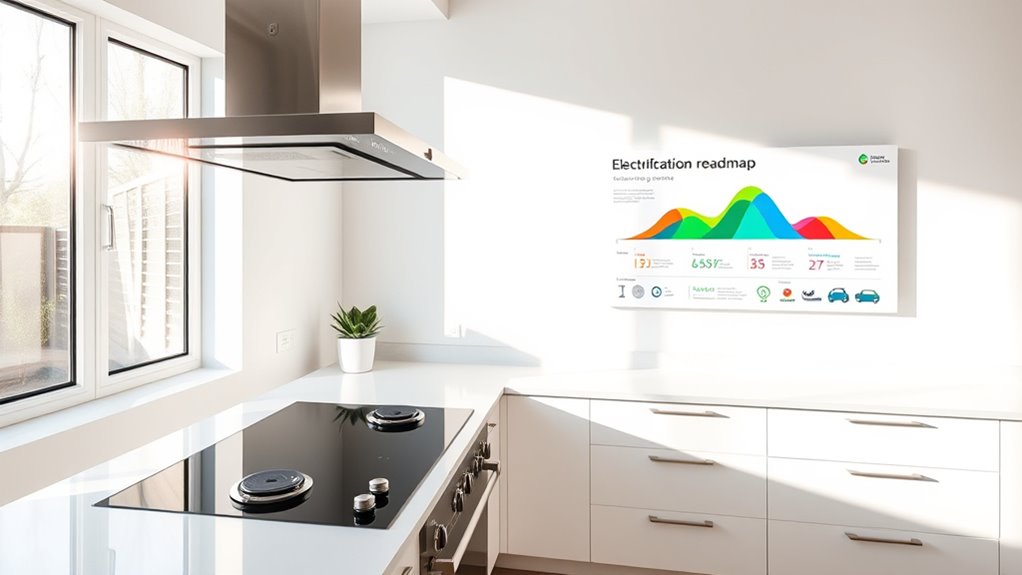

As you consider updating your home, the push to phase out natural gas systems is gaining momentum. New incentives and technology make electrification more feasible than ever, but the shift involves careful planning and choices. Understanding the roadmap can help you navigate options that improve comfort, reduce emissions, and align with evolving policies—yet, knowing where to start and what to expect can be complex. Here’s what you need to know to begin this journey.
Key Takeaways
- Utility programs offer incentives for replacing natural gas appliances with electric alternatives like heat pumps and induction stoves.
- Rebates help offset installation costs, making the transition to electric systems more affordable and accessible.
- Policies promote renewable energy incentives, such as solar panel installation, to reduce dependence on fossil fuels.
- Educational resources and personalized assessments guide homeowners through electrification decisions and maximize available incentives.
- Moving away from natural gas supports long-term sustainability, reduces emissions, and enhances energy resilience at home.
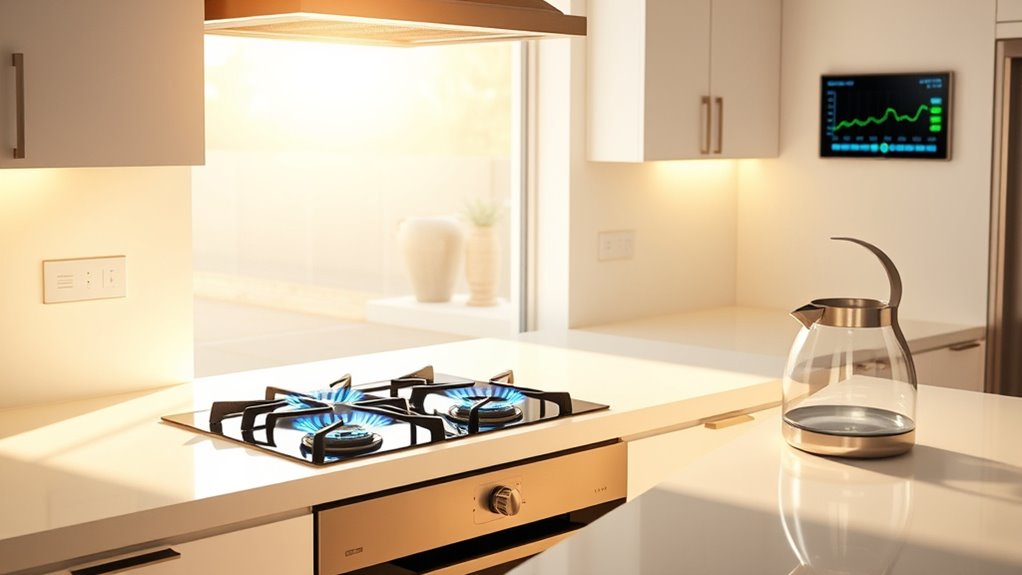
Have you ever wondered how we’re planning to shift to a cleaner, sustainable transportation system? The path forward involves more than just replacing your gas-powered vehicle; it requires transforming how we power our homes and communities. One key element in this transition is phasing out natural gas at home, which involves adopting electric appliances and heating systems. To make this shift more accessible, many utility programs are offering incentives that encourage homeowners to switch from fossil fuels to electricity. These utility programs often include rebates for installing electric heat pumps, electric water heaters, and induction stoves. Additionally, renewable incentives are being promoted at the policy level, making clean energy options more affordable and attractive. By taking advantage of these programs, you can considerably reduce your carbon footprint while saving money in the long run.
These utility programs are designed to lower the upfront costs of electrification, making it easier for you to invest in energy-efficient appliances. For example, when you replace your gas furnace with an electric heat pump, you might qualify for rebates that offset a substantial portion of the installation costs. These incentives not only cut expenses but also accelerate the adoption process, helping communities transition faster. Many utilities are also expanding their offerings to include solar panel installations, which can further reduce reliance on fossil fuels by generating your own renewable energy. When combined with incentives for renewable energy systems, these programs make it financially feasible for you to go all-electric and generate sustainable power from your property. Furthermore, understanding affiliate disclosure and privacy policies can help you navigate the financial and data aspects of participating in these programs.
Moreover, utility programs often include educational resources and personalized assessments to help you understand the benefits of electrification. They guide you through choosing the right appliances, planning the installation, and maximizing incentives. With these programs in place, switching from natural gas isn’t just an environmental decision—it’s a financially sound one. The goal is to create a seamless transition where you can enjoy the comfort and convenience of electric appliances while contributing to a cleaner planet. As policies evolve and incentives become more generous, your role in this shift becomes even more impactful. By leveraging renewable incentives and utility programs, you’re not only reducing emissions but also supporting the broader effort to build resilient, sustainable energy systems for the future. This approach guarantees that the move away from natural gas is accessible, affordable, and aligned with long-term environmental goals, making your home a key part of the electrification roadmap.

Rinnai REHP65 Electric Heat Pump Water Heater‚ 65 Gallon, 240V, 30A, Energy Star Certified, 3.90 UEF, 80 Gallon First Hour Delivery for Residential Use
Energy-efficient performance: Energy Star Certified. Extracts heat from ambient air to deliver consistent hot water with zero emissions…
As an affiliate, we earn on qualifying purchases.
As an affiliate, we earn on qualifying purchases.
Conclusion
Think of your home’s transformation as a journey across a bridge to a greener future. By embracing electric appliances and renewable energy, you’re not just making a change — you’re building a pathway toward lower emissions, greater comfort, and a more resilient home. With the right support and resources, you’ll cross that bridge smoothly, arriving at a sustainable destination where your choices ripple outward to benefit the planet. Your steps today shape tomorrow’s brighter, cleaner world.

AMZCHEF 30 Inch 10600W Induction Cooktop With 5 BOOST Burners, 9 Levels Electric, Built-in Control by Slide Touchscreen, Child Safety Lock, Independent Timer, No Plug, 240V
Powerful Function:Electric cooktop 30 inch has 9 power levels. Choose the power level according to the food you…
As an affiliate, we earn on qualifying purchases.
As an affiliate, we earn on qualifying purchases.
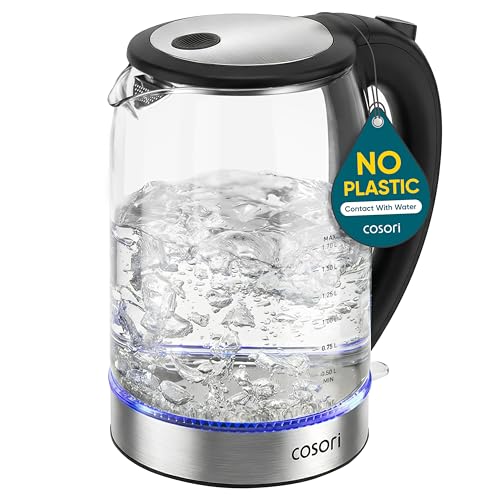
Cosori Electric Kettle, No Plastic Contact With Water, Wide Mouth For Easy Cleaning, Auto Shut Off, 1.7L Tea Kettle & Hot Water Boiler, Water Heater & Teapot, Borosilicate Glass, Black, 1500W
No Plastic Contact with Your Water——With no plastic inside, water never touches plastic, ensuring a pure taste and…
As an affiliate, we earn on qualifying purchases.
As an affiliate, we earn on qualifying purchases.

ECO-WORTHY 200 Watts 12 Volt/24 Volt Solar Panel Kit with High Efficiency Monocrystalline Solar Panel and 30A PWM Charge Controller for RV, Camper, Vehicle, Caravan and Other Off Grid Applications
[Wide Application]: Daily Output 800wh/day under 4 hours full sunshine condition. Perfect for RV, Caravan, Marine, Camper, Electric…
As an affiliate, we earn on qualifying purchases.
As an affiliate, we earn on qualifying purchases.