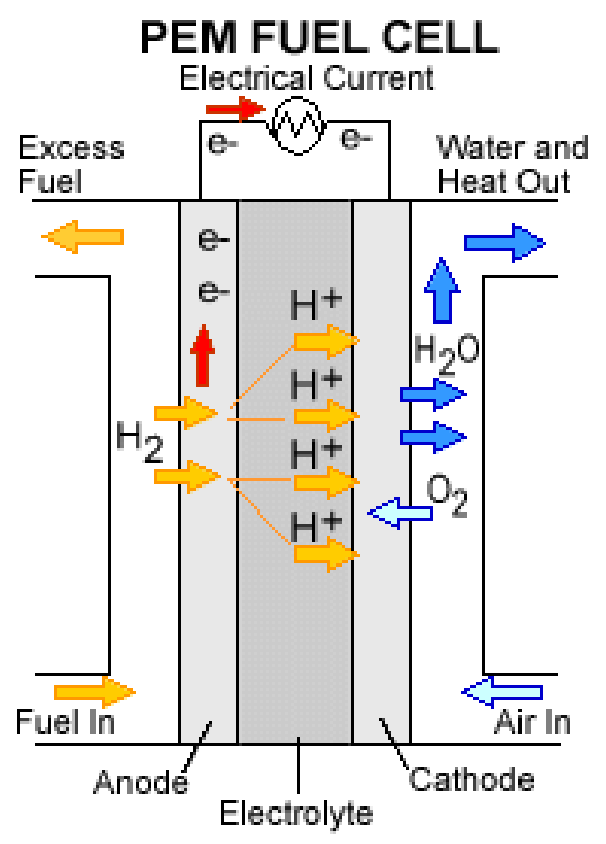

Hydrogen energy is a clean fuel source that can power cars, generate electricity, and support industry. You should know that hydrogen is produced mainly through methods like steam methane reformation, which emits CO₂, or electrolysis, which can be green when powered by renewable energy. Storing hydrogen safely involves high-pressure tanks, liquefaction, or solid options like metal hydrides. If you want to discover how these methods work and shape a sustainable future, there’s more to explore below.
Key Takeaways
- Hydrogen can be produced through methods like steam methane reforming and electrolysis, with green hydrogen being environmentally friendly.
- Storage options include high-pressure tanks, liquefied hydrogen, metal hydrides, and chemical carriers, each with safety and efficiency considerations.
- Hydrogen is a lightweight, flammable gas requiring specialized storage and handling techniques for safety and practicality.
- Producing green hydrogen using renewable energy reduces carbon emissions and supports sustainability goals.
- Advances in production and storage technologies are crucial for hydrogen’s role in clean energy, transportation, and industrial applications.
Curious about hydrogen energy and how it could reshape the future of power? You’re not alone. Hydrogen is gaining attention because it offers a clean, versatile alternative to fossil fuels. But before jumping into its potential, it’s helpful to understand how hydrogen is produced and stored. These foundational aspects influence its viability and the sustainability of hydrogen energy systems.
Hydrogen production methods vary, and each comes with its own set of advantages and challenges. The most common method is steam methane reforming (SMR), where natural gas reacts with steam to produce hydrogen. While this method is currently cost-effective, it emits carbon dioxide, raising environmental concerns. To address this, researchers are exploring greener options, such as electrolysis, which uses electricity to split water into hydrogen and oxygen. When powered by renewable energy sources like wind or solar, electrolysis becomes a truly sustainable way to produce hydrogen, often referred to as “green hydrogen.” Another method, though less common, involves biomass and waste-to-hydrogen processes, which can utilize organic materials to generate hydrogen with lower environmental impact. Understanding these methods helps you appreciate the ongoing efforts to make hydrogen production cleaner and more efficient.
Hydrogen production varies; green electrolysis powered by renewables offers a cleaner, sustainable future.
Once produced, hydrogen needs to be stored safely and efficiently, which is where hydrogen storage solutions come into play. Because hydrogen is a very light gas, storing it requires careful engineering. One common approach is compressing hydrogen into high-pressure tanks, making it easier to transport and store. However, these tanks need to be built to withstand high pressures and prevent leaks, which requires advanced materials and safety measures. Another storage method involves liquefying hydrogen by cooling it to extremely low temperatures, turning it into a liquid that takes up less space. This method is energy-intensive and demands specialized insulated tanks to keep hydrogen cold. More innovative solutions include storing hydrogen in solid form by binding it to metals or chemical compounds. These metal hydrides or chemical carriers can store hydrogen at higher densities and potentially offer safer, more stable storage options. Additionally, advances in hydrogen storage technology are continuously improving safety and efficiency for large-scale applications. Each storage solution has trade-offs in terms of cost, safety, and efficiency, but ongoing technological developments aim to improve their practicality for large-scale use.
Understanding how hydrogen is produced and stored is vital if you want to grasp its potential as a sustainable energy source. These factors determine how feasible and environmentally friendly hydrogen energy can become in the future. As technology advances, expect to see more efficient, safer, and greener methods of hydrogen production and storage, making hydrogen an even more promising candidate for powering our world. Whether for clean transportation, electricity generation, or industrial uses, knowing these basics helps you stay informed about the rapidly evolving hydrogen landscape.
Frequently Asked Questions
How Does Hydrogen Energy Impact Global Climate Change?
Hydrogen energy helps with climate mitigation by reducing greenhouse gas emissions, especially when produced from renewable sources. You can support renewable integration by adopting hydrogen solutions, which replace fossil fuels in industries and transportation. This shift decreases carbon footprints and promotes cleaner energy systems. As a result, hydrogen energy plays a crucial role in fighting climate change, making your efforts more impactful in creating a sustainable, low-carbon future.
What Are the Safety Measures for Hydrogen Storage?
When it comes to hydrogen storage, you should follow strict safety protocols to prevent leaks and explosions. Always store hydrogen in well-ventilated areas using approved containers designed for hydrogen storage. Regularly inspect storage tanks for damage or corrosion. Keep ignition sources away and use proper sensors to detect leaks early. By adhering to these safety measures, you guarantee safe handling and minimize risks associated with hydrogen energy.
How Cost-Effective Is Hydrogen Compared to Fossil Fuels?
Imagine you’re trading a shiny new coin for an old, trusted bill; hydrogen’s cost comparison to fossil fuels is similar. Right now, hydrogen production costs are higher, making it less economical than fossil fuels. However, as technology advances, costs decrease, and hydrogen becomes more competitive. So, while it’s not yet as cost-effective, investing in hydrogen’s future promises a cleaner, sustainable energy source that could outshine traditional fuels someday.
Can Hydrogen Energy Be Used in Residential Homes?
Yes, hydrogen energy can be used in residential applications, but it requires proper hydrogen storage solutions for safety and efficiency. You might see hydrogen-powered fuel cells providing electricity and heating in homes, offering a clean alternative to traditional fuels. As technology advances, residential use becomes more feasible, but current systems are still being developed and tested to guarantee safe hydrogen storage and reliable energy supply for everyday home needs.
What Are Future Innovations in Hydrogen Fuel Technology?
Future innovations in hydrogen fuel tech will blow your mind—think better hydrogen storage solutions that make leaks a thing of the past, and fuel cell advancements that turn your car into a silent, eco-friendly chariot. Researchers are working tirelessly, so soon you’ll enjoy longer-lasting, more efficient energy. Prepare for a world where hydrogen powers everything, and you’ll wonder how you ever lived without this clean, futuristic fuel.
Conclusion
Hydrogen energy is truly shaping the future of clean power. Did you know that by 2050, it’s estimated to account for over 20% of the world’s energy? As you explore this exciting field, remember that every step you take toward understanding hydrogen helps build a sustainable tomorrow. With its potential to power everything from cars to industries, hydrogen isn’t just a fuel—it’s a catalyst for a cleaner, greener planet.