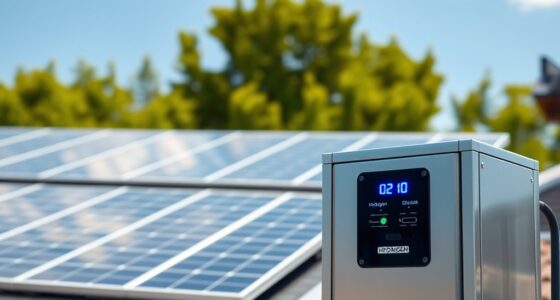
Homeowners often ask about hydrogen safety, like how to prevent leaks, what safety regulations to follow, and how to handle emergencies. They want to know if proper storage tanks and leak detection systems are effective and how to guarantee safe installation and maintenance. Concerns about fire safety and ventilation are common too. Understanding these key safety measures can give you peace of mind—keep exploring to get the essential details for a secure hydrogen experience.

Get compact home essentials delivered free with Prime
- Fast, free delivery on millions of items
- Prime Video, Amazon Music and more included
- Member-only deals all year
Key Takeaways
- Proper storage tanks and leak detection systems are essential for safe hydrogen handling at home.
- Regulatory standards ensure safe transportation, storage, and usage of hydrogen in residential settings.
- Hydrogen’s quick dispersion reduces explosion risk, but regular maintenance and ventilation are crucial.
- Safety technologies like sensors, emergency shutoff, and ventilation improve home hydrogen safety.
- Knowing fire safety protocols and working with certified professionals enhances emergency preparedness.
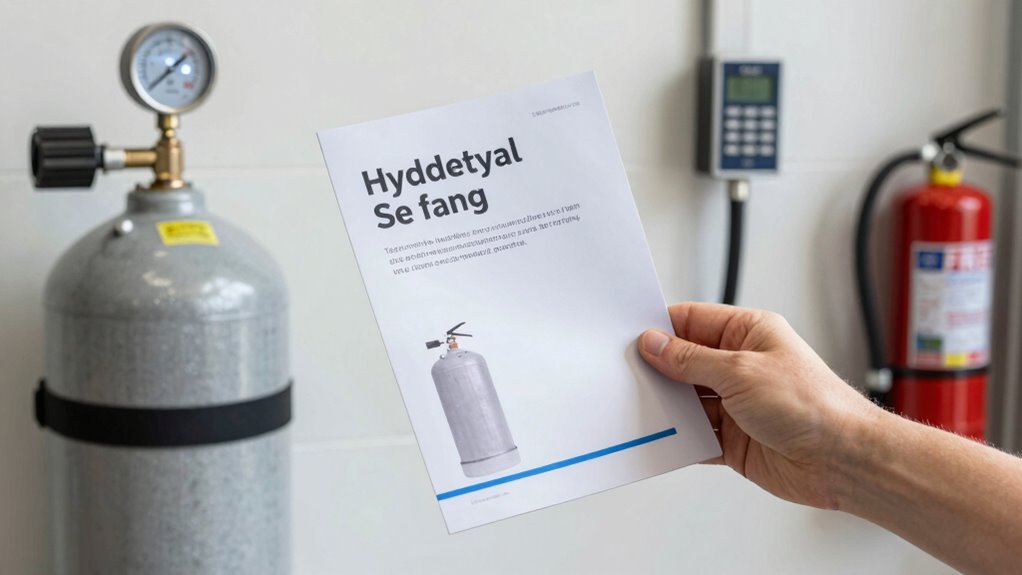
Have you ever wondered whether hydrogen is safe to use and handle? It’s a common question among homeowners considering hydrogen for energy needs, especially as new technologies make it more accessible. The safety of hydrogen largely hinges on proper hydrogen storage and adherence to safety regulations. Hydrogen storage involves keeping the gas in tanks designed specifically for its unique properties. These tanks are built to withstand high pressures and prevent leaks, which are critical factors since hydrogen is highly flammable. Modern storage solutions use robust materials and safety features that minimize risks, but it’s essential to guarantee these are installed and maintained correctly.
Proper storage and safety measures are essential for handling hydrogen safely at home.
Safety regulations play an essential role in guaranteeing that hydrogen is handled responsibly. They set strict standards for storage, transportation, and usage, minimizing the chance of leaks or accidents. As a homeowner, you should be aware that these regulations aren’t just bureaucratic hurdles—they’re designed to protect you, your family, and your property. When installing a hydrogen system, always work with certified professionals who follow local and national safety codes. This includes proper ventilation, leak detection systems, and emergency shutoff mechanisms. Following safety regulations isn’t just about compliance; it’s about creating a safe environment where hydrogen can be used confidently. Additionally, understanding hydrogen storage and how it is designed to prevent leaks can further enhance your safety measures.
You might worry about what happens if a leak occurs, but modern hydrogen safety measures are designed to prevent dangerous situations. Hydrogen disperses quickly in the air, which can actually reduce the risk of explosion if a leak happens in an open space. Still, in enclosed areas, proper ventilation and leak detection become essential. Many hydrogen systems incorporate sensors that immediately alert you to any leaks, allowing you to act swiftly before any harm occurs. Regular maintenance and inspections are key to keeping these safety features effective over time. Additionally, understanding hydrogen leak detection and how it functions can further improve your safety measures. Being aware of the regulatory standards governing hydrogen safety can also help you ensure compliance and peace of mind.
While hydrogen has a reputation for being flammable, it’s important to recognize that with proper handling and adherence to safety regulations, it can be just as safe as other fuels. The industry has made significant advances in safety technology, making hydrogen storage safer than ever. Educating yourself about these safety measures can ease concerns and help you feel more confident about using hydrogen at home. Additionally, understanding fire safety protocols and how to respond in emergencies can further enhance your safety preparedness. Remember, safety isn’t just about avoiding accidents; it’s about understanding the technology, following regulations, and taking proactive steps to guarantee a secure environment. When you stay informed and work with qualified professionals, hydrogen can be a safe and reliable energy source for your home.
As an affiliate, we earn on qualifying purchases.
Frequently Asked Questions
Can Hydrogen Leaks Be Detected Easily at Home?
Yes, hydrogen leaks can be detected at home, but it’s not always easy. You should use leak detection devices designed for gases, like hydrogen-specific sensors or detectors that alert you to unsafe levels. Regularly check for signs like a faint smell or hissing sounds. Ensuring proper ventilation and maintaining safety measures are crucial for home safety. If you suspect a leak, evacuate immediately and contact professionals for assistance.
What Are the Long-Term Health Effects of Hydrogen Exposure?
Long-term hydrogen exposure risks are generally low if you don’t breathe in high concentrations, but prolonged exposure could cause dizziness, headaches, or respiratory issues. To stay safe, you should prioritize health monitoring and minimize exposure risks, especially in enclosed spaces. If you suspect prolonged contact, consult a healthcare professional. Always guarantee proper ventilation and leak detection to prevent any health hazards associated with hydrogen.
How Does Hydrogen Safety Compare to Natural Gas Safety?
A chain is only as strong as its weakest link, and with hydrogen, safety depends on strict safety regulations and robust infrastructure. Compared to natural gas, hydrogen is more flammable and requires specialized handling and detection systems. Your hydrogen infrastructure must meet rigorous standards to prevent leaks or explosions. While both gases are safe when managed properly, hydrogen safety demands heightened awareness, precise technology, and adherence to regulations to keep your home secure.
Are Hydrogen Storage Tanks Vulnerable to Natural Disasters?
Hydrogen storage tanks are designed with strong structural integrity to withstand natural disasters, but no system is entirely vulnerability-free. You should consider disaster preparedness measures, like secure anchoring and regular inspections, to minimize risks during earthquakes, floods, or storms. While tanks are built to resist many hazards, staying proactive with safety protocols guarantees your hydrogen storage remains safe even in extreme conditions.
What Are the Emergency Procedures if a Hydrogen Leak Occurs?
If a hydrogen leak occurs, you should immediately activate emergency protocols, evacuate the area, and alert emergency services. Use leak prevention measures like shutting off valves and ventilating the space to disperse the gas safely. Avoid sparks or flames, as hydrogen is highly flammable. Stay upwind and keep a safe distance until authorities confirm it’s safe. Regularly practicing leak prevention and emergency procedures guarantees you’re prepared to respond quickly and effectively.
Conclusion
Now that you’ve uncovered the most common hydrogen safety questions, you’re better equipped to navigate this revolutionary energy source confidently. Remember, understanding safety isn’t just smart—it’s your shield against potential hazards in this brave new hydrogen-powered world. With knowledge as your armor, you can avoid making costly mistakes and guarantee your home’s safety. Don’t let uncertainty hold you back—embrace hydrogen safety like a hero wielding the ultimate power, transforming your home into a fortress of innovation.
Halloween Picks
halloween
As an affiliate, we earn on qualifying purchases.