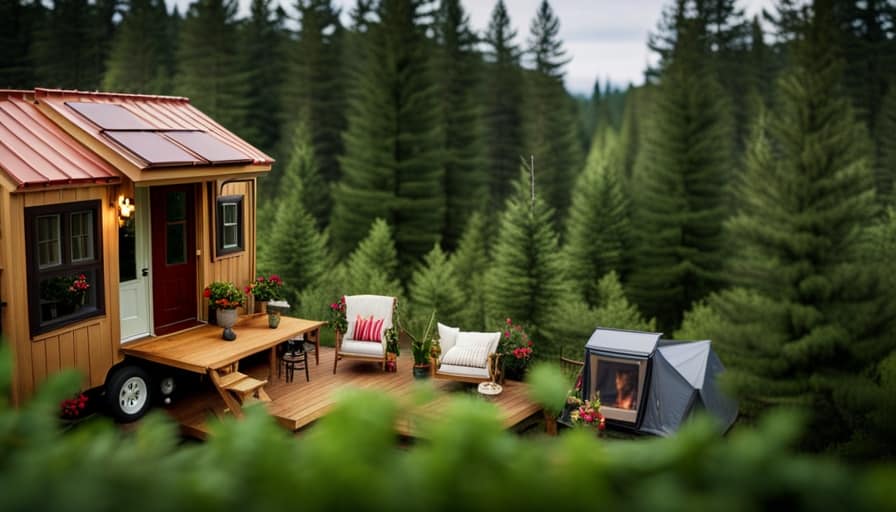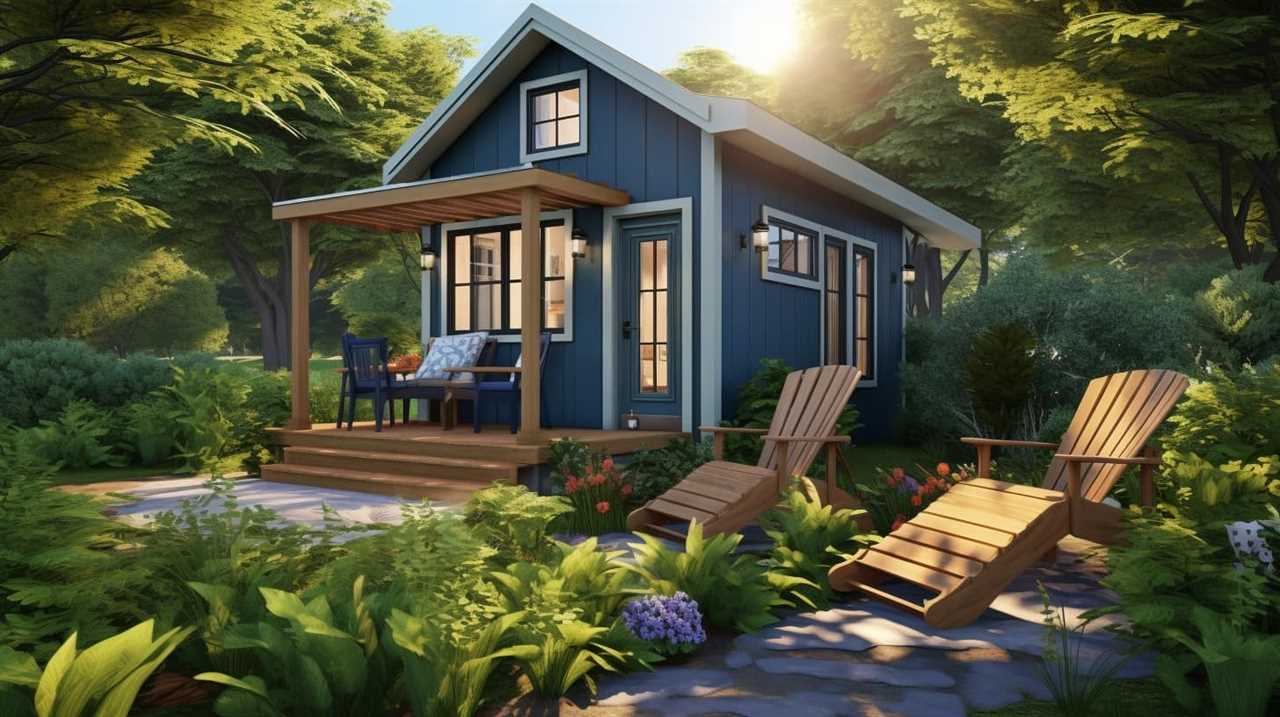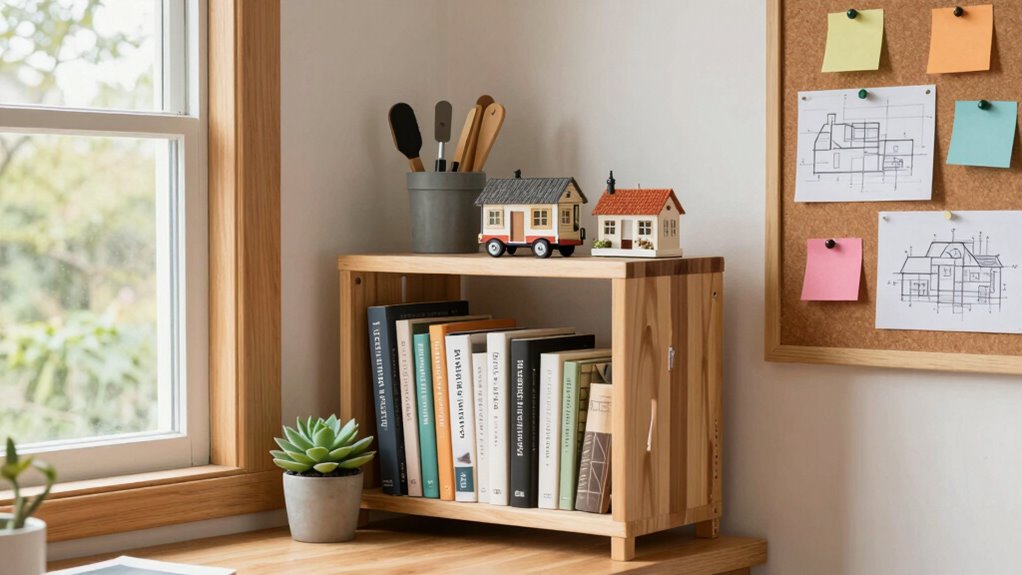

A tiny house resource hub should cover affordable building options like cost-effective materials and DIY tips, along with the latest zoning laws, permits, and legal guidance. It should include practical design ideas, space-saving furniture, and utility systems such as solar power and water collection. Connecting you with community support through forums and local events is also essential. If you’re enthusiastic to explore these topics further, you’ll find plenty of useful information to help you on your tiny house journey.
Key Takeaways
- Comprehensive guides on affordable building materials and cost-saving construction techniques.
- Up-to-date zoning laws, permit requirements, and strategies for navigating legal regulations.
- Practical design tips, multi-purpose furniture ideas, and utility system guidance for efficient living.
- Community forums, local meetups, and success stories to foster networking and shared experiences.
- Resources on eco-friendly building practices, renewable energy options, and sustainable water systems.
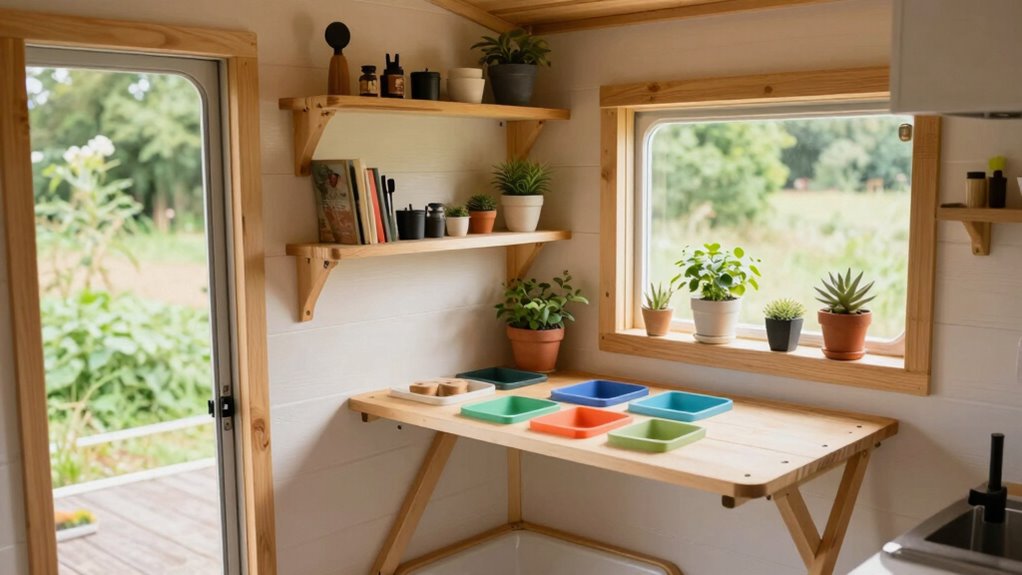
If you’re interested in building, living in, or simply learning about tiny houses, the Tiny House Resource Hub is your go-to destination. Whether you’re new to the concept or already deep into planning, having reliable, all-encompassing information can make your journey smoother. One of the first things you’ll want to explore is affordable building options. This includes resources on cost-effective construction techniques, budget-friendly materials, and DIY approaches that can help you keep expenses manageable. The hub should guide you through selecting sustainable yet affordable materials, understanding the costs involved at each stage, and tips for reducing overall expenses without sacrificing quality or safety. Knowing how to build within your budget gives you confidence and control as you move forward. Additionally, understanding water system efficiency can help ensure your tiny home remains sustainable and cost-effective over time. Seasonal variations, like temperature fluctuations, should also be considered when planning your water and energy systems to optimize efficiency.
Explore affordable building tips, budget-friendly materials, and DIY ideas to make your tiny house dreams a reality.
Another key area to include is zoning regulations. Tiny houses often face legal challenges due to local ordinances and zoning laws that weren’t designed with small homes in mind. Your resource hub must provide up-to-date information on zoning rules in different regions, including what permits are needed, restrictions on size and placement, and how to navigate or modify existing regulations. It should connect you with local authorities, legal experts, or advocacy groups who can help you understand and potentially influence zoning policies. This knowledge is essential, as it can save you time, money, and frustration in the long run.
Beyond these core topics, the hub should also feature practical guides on designing tiny homes that maximize space and functionality. Tips on efficient layouts, multi-purpose furniture, and clever storage solutions are invaluable. It’s also helpful to include resources on finding land or suitable lots, whether through leasing, purchasing, or shared community spaces. Information on utilities, such as solar power, composting toilets, and water collection systems, can help you create a self-sufficient tiny home.
Community support is another indispensable component. The hub should connect you with online forums, local meetups, and social media groups where tiny house enthusiasts share experiences, advice, and inspiration. Learning from others’ successes and challenges can prevent costly mistakes and spark new ideas.
Ultimately, your tiny house resource hub should be a one-stop shop for everything you need—covering affordability, legal considerations, practical design, land acquisition, and community support. With all-encompassing, accessible information, you’re empowered to turn your tiny house dreams into reality with confidence. Exploring environmental considerations like sustainable water and energy systems can further enhance the eco-friendliness of your tiny home.
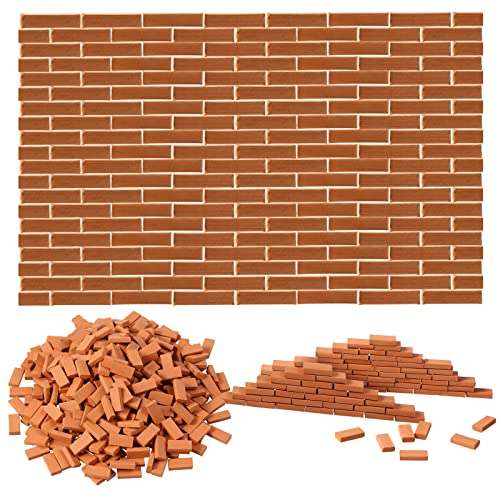
Civaner 350 Pcs Miniature Model Bricks for Crafts, 1/35 Scale
- Quantity: 350 mini bricks included
- Material: Made of durable pottery clay
- Size: Approximately 11 x 6 x 2.5 mm
As an affiliate, we earn on qualifying purchases.
As an affiliate, we earn on qualifying purchases.
Frequently Asked Questions
How Do I Finance My Tiny House Purchase?
You can finance your tiny house through alternative financing options like personal loans, RV loans, or specialized tiny house financing programs. Be sure to compare interest rates and terms. Additionally, explore insurance options tailored for tiny homes to protect your investment. Doing thorough research and consulting financial experts can help you find the best way to secure funding and safeguard your tiny house, making your dream more achievable.
What Are Legal Restrictions for Tiny Houses?
You need to check local zoning laws and building codes before building or parking your tiny house. Many areas have restrictions on size, foundation, and where tiny houses can be placed. Some zones may not permit tiny homes at all, while others require specific permits or compliance with certain standards. Always consult local authorities or a legal expert to guarantee your tiny house meets all legal restrictions and avoid costly issues later.
How Do I Find Reliable Tiny House Builders?
Imagine your tiny house dream as a delicate seed; finding reliable builders is like choosing the right gardener. To do so, immerse yourself in detailed builder reviews and check their portfolios for craftsmanship that resonates with your design considerations. Ask for references, visit previous projects, and gauge their communication. Trust reputable sources like tiny house forums or industry associations, ensuring your vision is nurtured by skilled hands.
What Are the Best Locations for Tiny Houses?
You should look for tiny house locations within micro communities, where shared amenities and supportive environments thrive. Consider climate factors like mild weather or low humidity to guarantee comfort and longevity of your tiny home. States like California, Colorado, and Oregon often have micro communities suited for tiny houses, with favorable climates and legal frameworks. These locations offer a balance of community spirit and climate considerations for a sustainable tiny living experience.
How Do I Maintain My Tiny House Long-Term?
Oh, sure, maintaining your tiny house is a breeze—just ignore solar maintenance and insulation tips, right? But seriously, check your solar panels regularly, keep them clean, and guarantee connections are secure. For insulation, inspect for drafts and add weatherstripping or foam as needed. Regularly clean gutters, check seals, and stay proactive. A little effort keeps your tiny home cozy, energy-efficient, and ready for adventures long-term.
Conclusion
By creating a tiny house resource hub, you empower readers to embrace minimalist living and reduce their environmental impact. Highlighting that over 10,000 tiny homes were built in the past year alone, this movement is growing rapidly. Your curated resources can inspire and guide future tiny homeowners, making their journey smoother and more fulfilling. With the right tools and information, you help turn dreams of simple, sustainable living into reality—one tiny step at a time.