
To insulate your tiny home efficiently, focus on filling walls with high-quality materials like spray foam, rigid foam boards, or blown-in cellulose to maximize thermal resistance and keep everything lightweight. Seal all gaps around windows, doors, and cracks with weatherstripping or caulk, and consider upgrading to double or triple-pane windows for extra insulation. Using insulating film or thermal curtains can help reduce drafts further. Keep exploring these tips to create a cozy, energy-efficient space.
Key Takeaways
- Use high-quality insulation materials like spray foam, rigid foam boards, or blown-in cellulose to maximize thermal resistance.
- Ensure walls are thoroughly filled, sealing all gaps, cracks, and voids for optimal insulation performance.
- Insulate windows with weatherstripping, caulk, and window film to prevent drafts and heat loss.
- Consider thermal curtains and draft stoppers to enhance window insulation and overall energy efficiency.
- Prioritize sealing all potential air leaks and installing insulation that is lightweight and suitable for limited space.
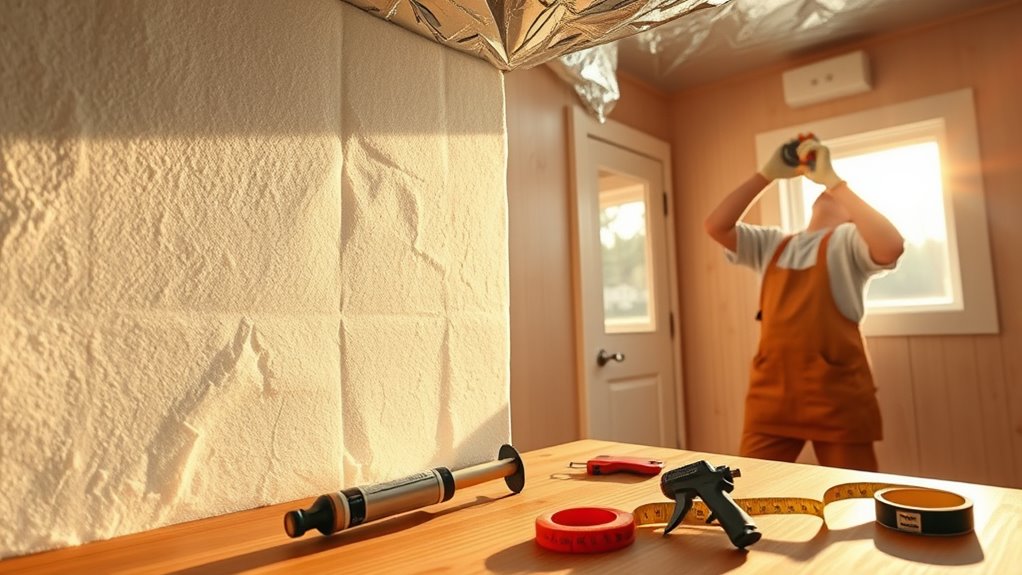
Are you wondering how to keep your tiny home warm and energy-efficient? The key is proper insulation, which starts with addressing your walls and windows. Wall insulation is vital because tiny homes often have less space for traditional insulation, making it even more important to maximize the effectiveness of what you use. You want to guarantee your walls are filled with high-quality insulation material, like spray foam, rigid foam boards, or blown-in cellulose. These options provide excellent thermal resistance while keeping the walls lightweight and easy to install in tight spaces. When installing, be meticulous—fill every gap, crack, and void to prevent heat from escaping. Proper wall insulation not only keeps your tiny home warm but also reduces your energy bills by minimizing heat loss.
Next, focus on your windows, which are often the biggest culprits of heat loss and drafts. Window drafts are common in tiny homes due to the limited space for thick window frames and sometimes older, less efficient windows. To combat this, start by sealing any gaps around the frames with weatherstripping or caulk. This simple step prevents cold air from sneaking in and warm air from leaking out. If your windows are particularly drafty or old, consider upgrading to double-pane or even triple-pane windows designed for energy efficiency. Additionally, adding thermal curtains or draft stoppers can make a noticeable difference in maintaining a consistent temperature inside your tiny home. For extra insulation, you can even apply window insulation film, which is inexpensive and easy to install, providing an additional barrier against drafts.

Loctite Tite Foam Gaps & Cracks Spray Foam Sealant, 12 fl oz Can, 1 Pack – Polyurethane Expanding Insulation
Expands To Fill: Loctite Tite Foam Gaps & Cracks fills, seals, and insulates effectively around gaps and cracks…
As an affiliate, we earn on qualifying purchases.
As an affiliate, we earn on qualifying purchases.
Frequently Asked Questions
What Is the Most Cost-Effective Insulation Material for Tiny Homes?
Foam board insulation is your most cost-effective choice for tiny homes, offering a great balance of price and performance. It has a favorable cost comparison with other materials and is easy to install with proper sealing. When installing, cut panels precisely and seal edges thoroughly to maximize efficiency. This approach helps keep your tiny home warm in winter and cool in summer without breaking the bank.
How Can I Improve Insulation Without Adding Bulk?
Imagine feeling cozy on a chilly night; you can improve insulation without bulk by installing compact foam panels that fit snugly into small spaces. Reflective barriers can also help, reflecting heat back inside without adding bulk. Together, these materials boost your tiny home’s insulation efficiency while maintaining a sleek, minimal look. You’ll enjoy warmer indoor temperatures and save space, making your tiny home even more comfortable and functional.
Are Eco-Friendly Insulation Options Available for Tiny Homes?
Yes, eco-friendly materials and sustainable options are available for your tiny home. You can choose insulation made from recycled denim, sheep’s wool, or cellulose, which provide excellent thermal performance without adding bulk. These materials are non-toxic, biodegradable, and often have a lower environmental impact. By selecting eco-friendly insulation, you guarantee your tiny home stays energy-efficient while reducing your carbon footprint, making your space both sustainable and comfortable.
How Does Insulation Affect Tiny Home Ventilation?
Insulation is the heart of your tiny home’s breath, guiding airflow regulation and moisture control. It acts like a sponge, absorbing excess moisture and preventing mold while allowing fresh air to circulate. Proper insulation creates a balanced environment, reducing condensation and maintaining comfort. By managing airflow and moisture, you ensure your tiny home stays cozy, healthy, and energy-efficient—making insulation an essential part of your home’s ventilation harmony.
What Maintenance Is Required for Insulated Tiny Homes?
You need to regularly inspect your insulated tiny home for signs of wear or damage, such as gaps or moisture issues. Insulation maintenance involves sealing leaks, checking for mold, and replacing any damaged materials to guarantee your tiny home stays energy-efficient. Keeping up with tiny home upkeep also means cleaning vents, maintaining ventilation systems, and monitoring insulation performance to prevent drafts and energy loss, making your space comfortable year-round.

Vinyl Single Hung Sliding Window, 24" x 36" Household Window with Double-Pane Insulated Tempered Glass, White Energy-Efficient Soundproof Window for House, Mobile Home
Double-Pane Insulated Glass: Our Vinyl Single Hung Windows feature energy-efficient double-pane construction. Enjoy reduced noise from outside and…
As an affiliate, we earn on qualifying purchases.
As an affiliate, we earn on qualifying purchases.
Conclusion
By insulating your tiny home properly, you’re not just saving a little energy—you’re practically building a fortress against the elements! Think of it as turning your cozy space into an impenetrable bubble that keeps out every gust of wind, drop of rain, and chill of winter. With the right insulation, you’ll transform your tiny home into a sanctuary so efficient, even the harshest storms will seem like gentle breezes. Get it right, and you’ll conquer weather itself!
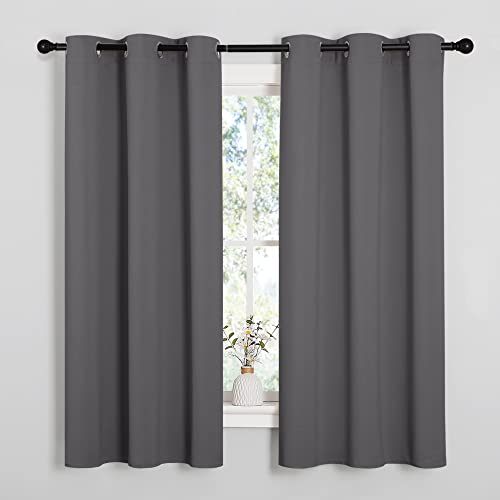
NICETOWN Thermal Insulated Grommet Blackout Curtains for Bedroom (2 Panels, W42 x L63 -Inch, Grey)
READY MADE: Set includes 2 BLACKOUT CURTAINS PANELS of 42" wide x 63" length with 6 grommets top…
As an affiliate, we earn on qualifying purchases.
As an affiliate, we earn on qualifying purchases.
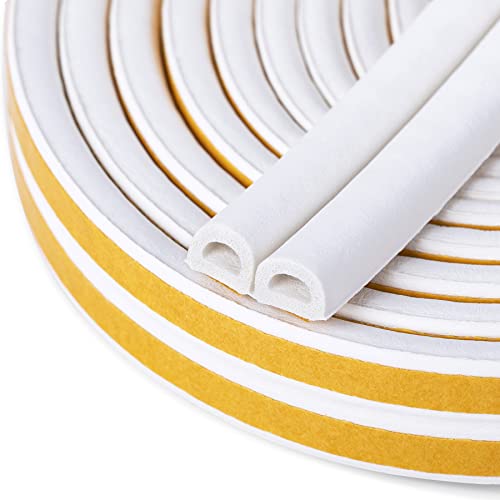
CloudBuyer Door & Window Weather Stripping, Soundproof Insulation Seal Strip with Self-Adhesive Rubber Collision Protection, 16.5 Ft (White)
Important: Extreme temperatures will result in poor adhesive performance. Apply this seal only if the air and surface…
As an affiliate, we earn on qualifying purchases.
As an affiliate, we earn on qualifying purchases.