
To make your tiny house a permanent residence, start by checking local zoning laws to see if tiny homes are allowed as permanent dwellings. Next, verify that your home complies with building codes, especially if you plan to set it on a permanent foundation. Obtain necessary permits and schedule inspections to ensure safety standards are met. Carefully following these legal steps guarantees your tiny house is fully compliant and legally recognized—continue to learn more about each step to secure your permanent home.
Key Takeaways
- Research local zoning laws to confirm if tiny houses are permitted as permanent residences.
- Ensure the tiny house complies with building codes, including foundation and safety standards.
- Obtain necessary permits such as building, foundation, or occupancy permits before habitation.
- Pass all required inspections to verify compliance with safety, zoning, and building regulations.
- Register and document your tiny house as a permanent dwelling to establish legal residency.

Turning a tiny house into a permanent residence involves steering through various legal requirements and zoning rules. The first step is understanding the local zoning regulations that impact where and how you can set up your tiny home. Zoning laws determine whether you can place a tiny house on a particular property and specify the types of structures allowed in different zones. Some areas may have restrictions against tiny houses being used as permanent dwellings, while others might have specific provisions that facilitate their placement. You’ll need to research your city or county’s zoning codes thoroughly, often available online or through local planning departments, to confirm your tiny house complies with all regulations. If zoning restrictions seem prohibitive, you might consider seeking variances or special permits, but be prepared for a potentially lengthy process.
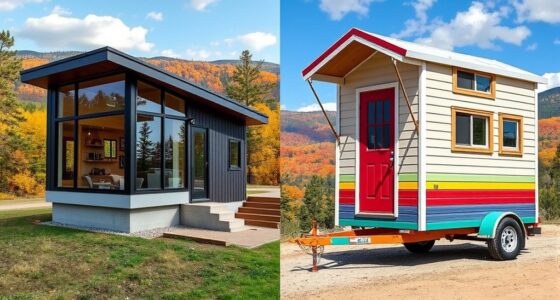
Alongside zoning regulations, building codes play a critical role in making your tiny house a legal, permanent residence. Building codes set the safety standards for construction, electrical systems, plumbing, insulation, and other essential features. To verify your tiny house meets these standards, you should check whether it qualifies as a recreational vehicle, a modular home, or a traditional dwelling under your jurisdiction’s codes. Some areas treat tiny houses differently depending on their foundation type—whether on wheels or on a permanent foundation. If your tiny house is on wheels, it might fall under RV codes, which could limit its classification as a permanent residence. Converting it to a permanent foundation might be necessary to satisfy local building codes, allowing you to register it as a standard dwelling. Additionally, incorporating sustainable and eco-friendly materials can help meet environmental standards and promote long-term compliance.
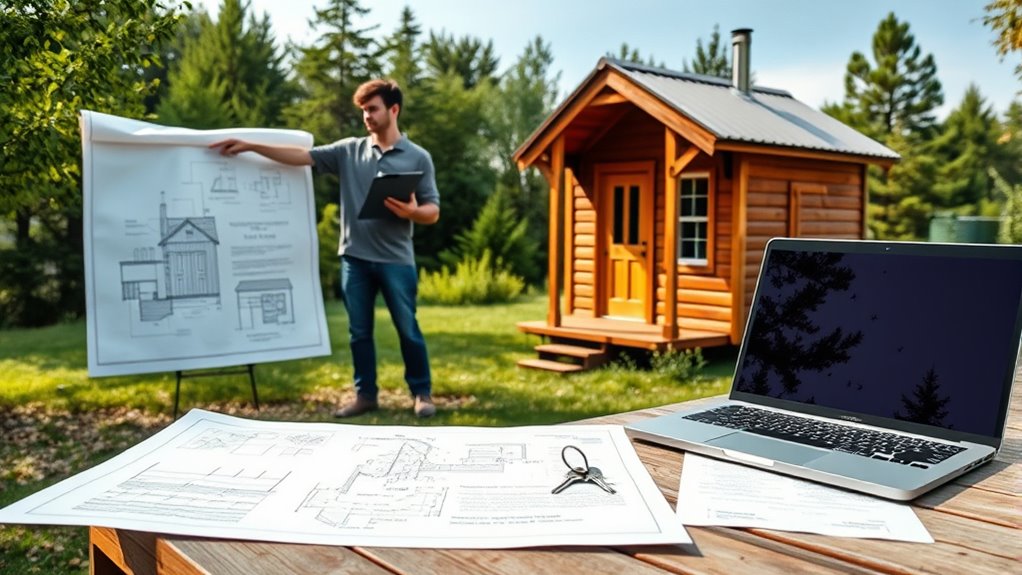
Once you understand the zoning and building code requirements, you’ll need to obtain the appropriate permits. This could include building permits, foundation permits, or occupancy permits, depending on your local laws. Applying for these permits involves submitting detailed plans that demonstrate compliance with building codes, including structural integrity, safety features, and utility connections. After approval, you’ll be able to proceed with any necessary modifications or installations to confirm your tiny house aligns with legal standards. Remember, inspections are often part of the permitting process, so be prepared for officials to verify that your tiny house meets all safety and zoning regulations before it can be legally inhabited as a permanent residence. Navigating these legal steps carefully ensures your tiny house becomes a compliant, permanent home you can enjoy without legal concerns.
Frequently Asked Questions
Can I Buy Land Specifically for My Tiny House?
Yes, you can buy land specifically for your tiny house. When doing so, consider tiny house financing options and local mobile home laws, as they vary by area. Make sure the land is zoned appropriately for tiny houses, especially if you’re planning to make it permanent. Research local regulations and zoning codes to verify your tiny house complies with legal requirements before purchasing the land.
How Long Does the Legal Process Usually Take?
The legal process can take anywhere from a few months to over a year, depending on your local zoning laws and building codes. You’ll need to submit permits, pass inspections, and guarantee your tiny house meets all regulations. Stay proactive by working closely with local authorities to streamline the process. Planning ahead and understanding your area’s specific requirements can help you avoid delays and make your tiny house permanent sooner.
Are There Tax Benefits for Permanent Tiny Houses?
Yes, you can benefit from tax incentives and potentially lower property taxes with a permanent tiny house. Depending on your location, some areas offer tax breaks for tiny homes that meet specific standards or qualify as primary residences. By making your tiny house permanent, you might reduce property taxes or qualify for other incentives, helping you save money long-term. Always check local regulations to maximize these benefits.
Do I Need a Special Building Permit?
Yes, you typically need a special building permit for your tiny house to guarantee building code compliance. This permit is essential for legal tiny house financing and helps you meet local regulations. You should check with your city or county planning department, as requirements vary. Securing the permit ensures your tiny house is safe, legal, and eligible for financing options, making your move to permanence smoother and more secure.
What Are the Zoning Restrictions for Tiny Houses?
Zoning restrictions for tiny houses can feel like a maze, but understanding zoning variances and setback requirements helps you navigate it. You might need a variance if your tiny house doesn’t fit local zoning rules. Setback requirements dictate how close you can build to property lines, affecting placement. Always check with local zoning offices to guarantee your tiny house complies, avoiding surprises and making your dream a permanent reality.
Conclusion
By steering these legal steps, you’re planting the roots of your tiny house in solid ground. Think of it as charting a course through uncharted waters—each step brings you closer to stability and peace of mind. With patience and persistence, you turn a fleeting idea into a permanent home, transforming a delicate seed into a mighty tree. Your journey may be challenging, but the reward is a sanctuary that stands strong against the winds of uncertainty.