To build mental resilience in minimal living, focus on practicing mindfulness daily to stay grounded and aware of your thoughts and emotions. Simplify your environment by decluttering and recognizing negative patterns that may cause stress. When challenges arise, pause, breathe deeply, and respond thoughtfully instead of reacting impulsively. Embrace change as an opportunity for growth and develop self-awareness to maintain emotional stability. Keep exploring these strategies to strengthen your resilience and thrive in minimal living.
Key Takeaways
- Practice regular mindfulness techniques like meditation and journaling to stay present and manage stress effectively.
- Simplify your environment and thoughts to reduce overwhelm and enhance emotional clarity.
- Recognize and pause during emotional triggers to respond thoughtfully rather than impulsively.
- Embrace change with acceptance and reflection, viewing setbacks as growth opportunities.
- Commit to ongoing mindful practices to strengthen adaptability and resilience during life’s fluctuations.
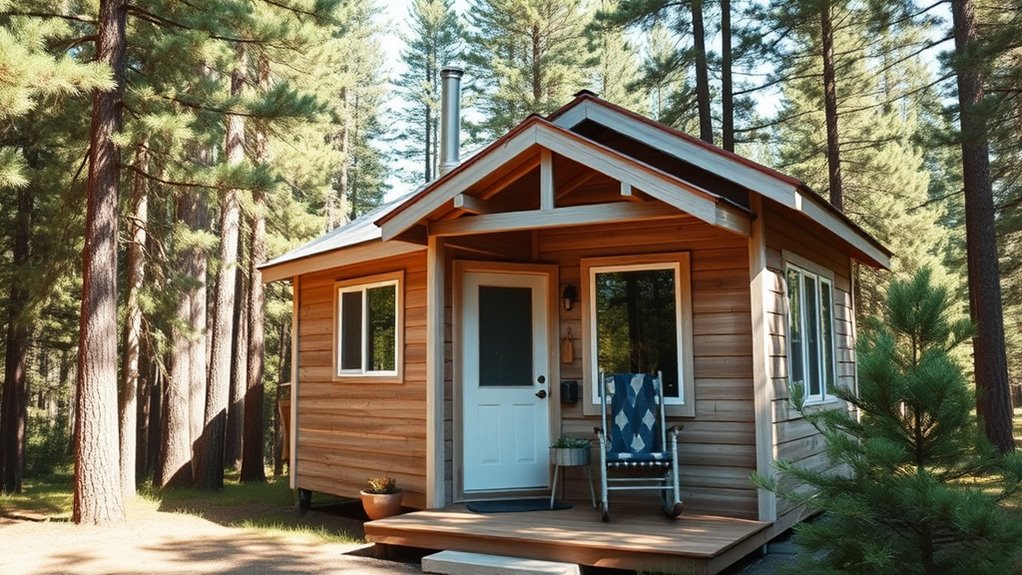
Living minimally can simplify your life, but it also requires mental resilience to handle inevitable challenges and uncertainties. When you choose a minimalist lifestyle, you consciously reduce clutter and distractions, allowing you to focus more on what truly matters. Yet, this simplicity can sometimes bring emotional upheaval or feelings of loss, making it essential to develop strategies that bolster your mental strength. One effective way to do this is through mindful practices. By staying present and aware of your thoughts and emotions, you create a mental space that helps you manage stress and setbacks more effectively. Regularly practicing mindfulness—whether through meditation, deep breathing, or mindful journaling—grounds you in the present moment, preventing you from becoming overwhelmed by worries about the future or regrets about the past. Over time, these practices cultivate emotional stability, allowing you to face life’s uncertainties with calmness and clarity.
Mindful practices build resilience and emotional stability in minimal living. Stay present, breathe deeply, and embrace change with calmness.
Building mental resilience in minimal living isn’t just about managing external circumstances; it’s equally about nurturing your internal state. As you declutter your environment, you should also declutter your mind. This means recognizing and addressing negative thought patterns or emotional triggers that could destabilize you. Developing emotional stability requires self-awareness and the willingness to accept your feelings without judgment. Mindful practices serve as powerful tools here, helping you observe your emotional responses without reacting impulsively. When you notice feelings of frustration or anxiety arising, take a moment to breathe deeply and acknowledge these emotions. This pause gives you the space to respond thoughtfully, rather than reacting out of habit or frustration. Additionally, incorporating practices that promote physical health, such as consuming health-beneficial juices, can support your overall well-being and mental resilience.
Furthermore, resilience is strengthened when you learn to adapt and embrace change. Minimal living often involves letting go of possessions, routines, or expectations that no longer serve you. Instead of resisting these *progressions*, view them as opportunities for growth. Cultivating a mindset rooted in acceptance and mindfulness can make change feel less intimidating. When setbacks occur, remind yourself that challenges are part of the process, not the end of the journey. Reinforcing this perspective with mindful reflection helps you develop a resilient attitude that perceives difficulties as opportunities to learn and strengthen your emotional stability.
In essence, building mental resilience while living minimally involves a continuous commitment to mindful practices that support emotional stability. As you navigate the ups and downs of simplifying your life, these techniques help you stay grounded and adaptable. Over time, you’ll find that your mind becomes more resilient, better equipped to handle whatever uncertainties come your way, allowing you to fully enjoy the clarity and peace that minimal living offers.
Top picks for "build mental resilience"
Open Amazon search results for this keyword.
As an affiliate, we earn on qualifying purchases.
Frequently Asked Questions
How Does Minimal Living Impact Long-Term Mental Health?
Minimal living positively impacts your long-term mental health by reducing stress and fostering lifestyle simplicity. When you declutter and prioritize what truly matters, you create a calm mental space, making it easier to handle life’s challenges. This approach helps you develop resilience over time, as you learn to focus on quality rather than quantity, cultivating a balanced mindset that supports emotional well-being and long-term stability.
Can Minimalism Help Manage Anxiety and Depression?
Yes, minimalism can help manage anxiety and depression. By reducing clutter, you create a calmer environment that promotes emotional release and decreases overwhelm. Simplifying your space allows you to focus on what truly matters, which boosts your mental resilience. As you declutter, you gain control over your surroundings, making it easier to manage negative emotions and find a sense of peace and stability.
What Are Practical Steps to Start Minimal Living?
Start minimal living by establishing decluttering routines, sorting through your belongings and donating what you don’t need. Simplify your budgeting by tracking expenses and cutting unnecessary spending. Focus on quality over quantity, and set small, achievable goals to gradually reduce clutter and financial stress. Consistency is key—practice these routines daily, and you’ll find it easier to embrace a minimalist lifestyle that promotes mental resilience and clarity.
How Do I Handle Emotional Attachments to Possessions?
To handle emotional attachments to possessions, start by practicing emotional detachment, recognizing that your belongings don’t define you. Use attachment therapy techniques like journaling or visualization to process your feelings. Gradually, let go of items that no longer serve you, focusing on the freedom minimal living offers. Remind yourself that memories and experiences matter more than possessions, helping you build mental resilience and find peace in simplicity.
Is Minimal Living Suitable for Everyone?
Minimal living isn’t suitable for everyone, especially if you’re deeply influenced by consumerism culture or struggle with material attachment. If you thrive on possessions or find comfort in accumulating things, embracing minimalism might feel challenging or even stressful. However, if you’re open to simplifying your lifestyle and reducing material attachment, minimal living can bring clarity and peace. Reflect on your values and comfort level before making the shift.
Conclusion
By embracing minimalism, you empower your mind to master moments of misfortune. Remember, resilience isn’t about resisting reality but reflecting, rebounding, and rising above. Cultivate clarity, confront challenges, and commit to continual calm. With consistent commitment, minimal living molds your mental muscle, making you more mindful, resilient, and ready for whatever life throws your way. Keep cultivating calm, conquering chaos, and creating confidence—because your mental strength shines brightest when simplicity and strength synchronize.