In 2026, modular tiny house designs focus on sustainability, smart tech, and flexible layouts. You’ll see eco-friendly materials like reclaimed wood and recycled metals, along with energy-efficient insulation. Smart systems let you control lighting, climate, and security from your phone, while modular setups allow easy expansion or reconfiguration. Large windows and eco materials create stylish, natural-light-filled spaces that adapt to your needs. Keep exploring to discover how these innovative trends can transform your tiny home experience.
Key Takeaways
- Increased use of eco-friendly, reclaimed, and recycled materials in modular tiny house construction.
- Integration of advanced smart home systems for energy management and security.
- Greater emphasis on flexible, reconfigurable layouts with fold-away furniture and expandable modules.
- Larger, energy-efficient windows to maximize natural light and enhance aesthetic appeal.
- Adoption of sustainable insulation and energy solutions like solar panels to boost efficiency and reduce carbon footprint.
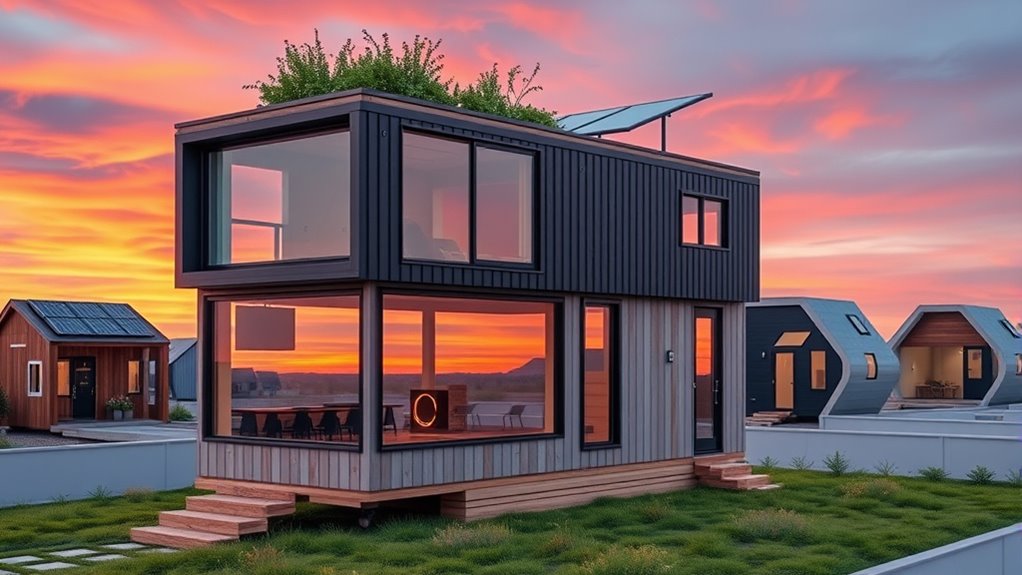
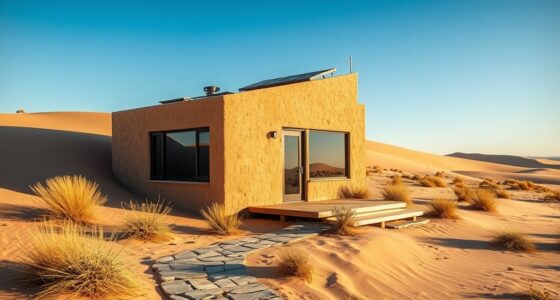
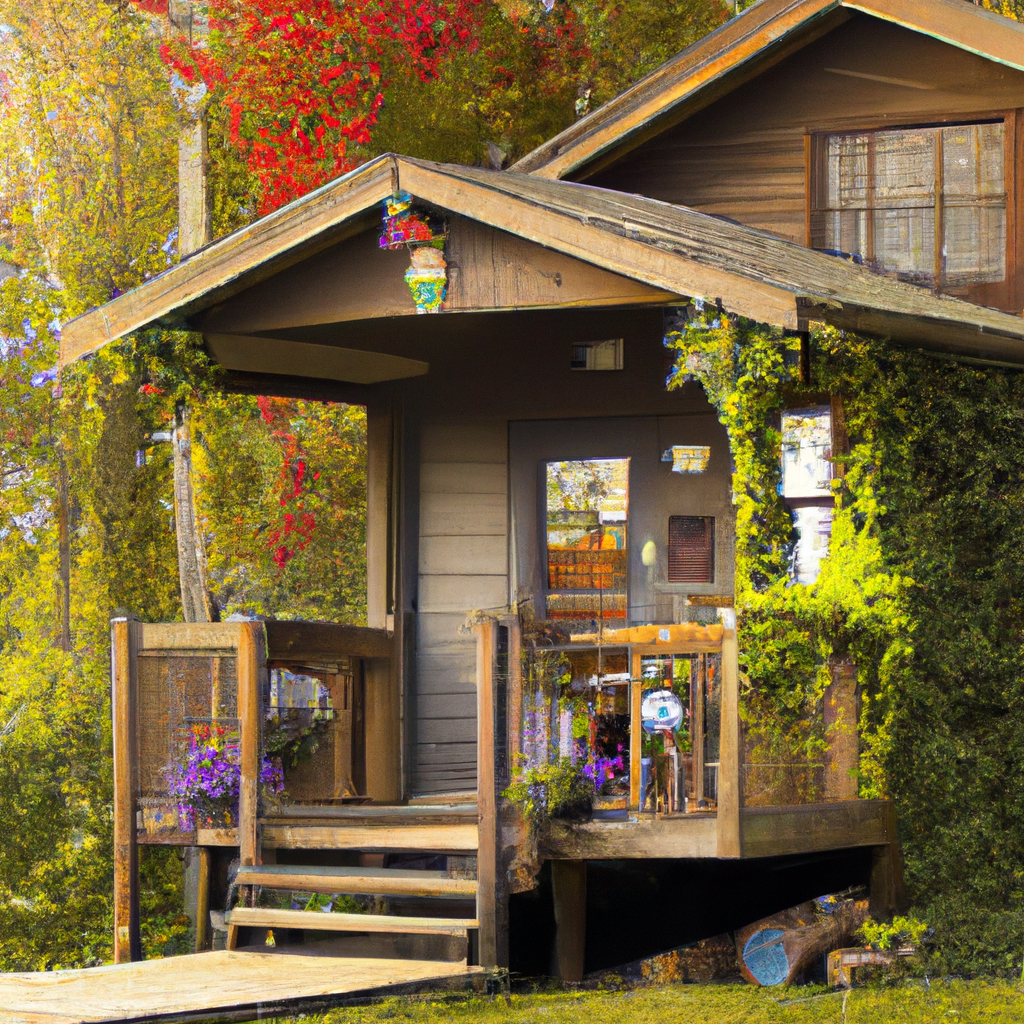
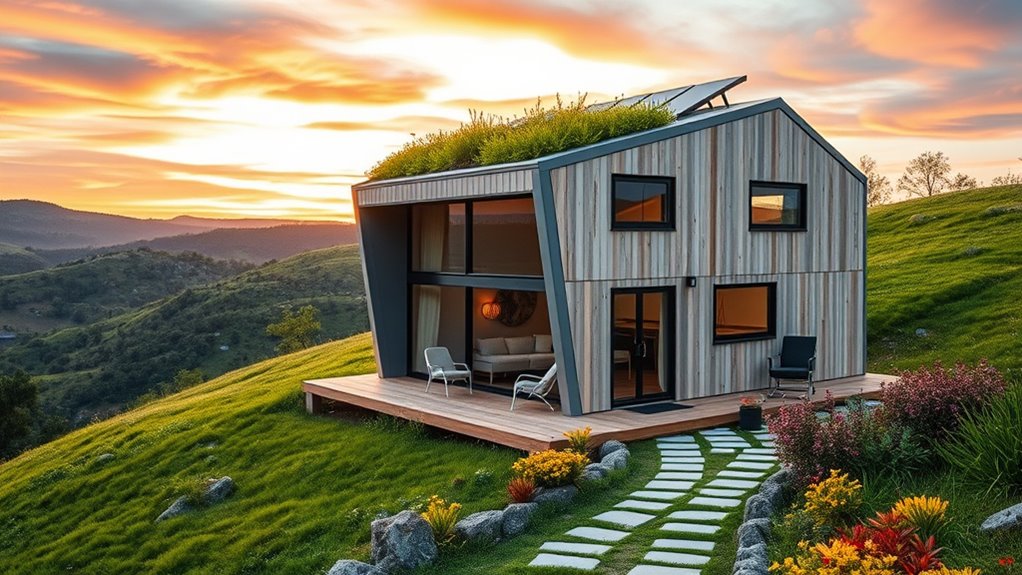
As tiny house living continues to grow in popularity, modular design trends are shaping the future of compact, customizable homes. In 2026, you’ll notice a strong emphasis on sustainability and technology integration, making your tiny home more eco-friendly and smarter than ever. The focus on sustainable materials is transforming how these homes are built, allowing you to reduce your carbon footprint without sacrificing style or comfort. Think reclaimed wood for flooring and cabinetry, recycled metal accents, and eco-friendly insulation options that keep your energy use low. These materials not only help protect the environment but also add unique character to your home’s aesthetic. Modular construction makes it easier to incorporate these sustainable choices seamlessly, giving you the flexibility to customize your space with eco-consciousness at the forefront. Additionally, innovations in energy-efficient insulation are further enhancing the thermal performance of tiny homes, contributing to lower energy bills and increased comfort.
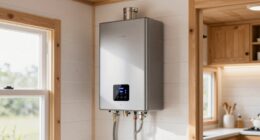
Smart technology is also drastically enhancing the tiny house experience. You’ll find intelligent systems that allow you to control lighting, climate, and security from your smartphone or voice commands. Smart thermostats adjust heating and cooling for energy efficiency, while integrated sensors detect leaks or issues before they become major problems. These innovations aren’t just about convenience—they’re about making your tiny home more efficient and self-sufficient. Solar panels and energy storage solutions are becoming common, further reducing reliance on traditional power sources. With smart technology, your tiny house can adapt to your lifestyle, providing comfort and safety while minimizing environmental impact.
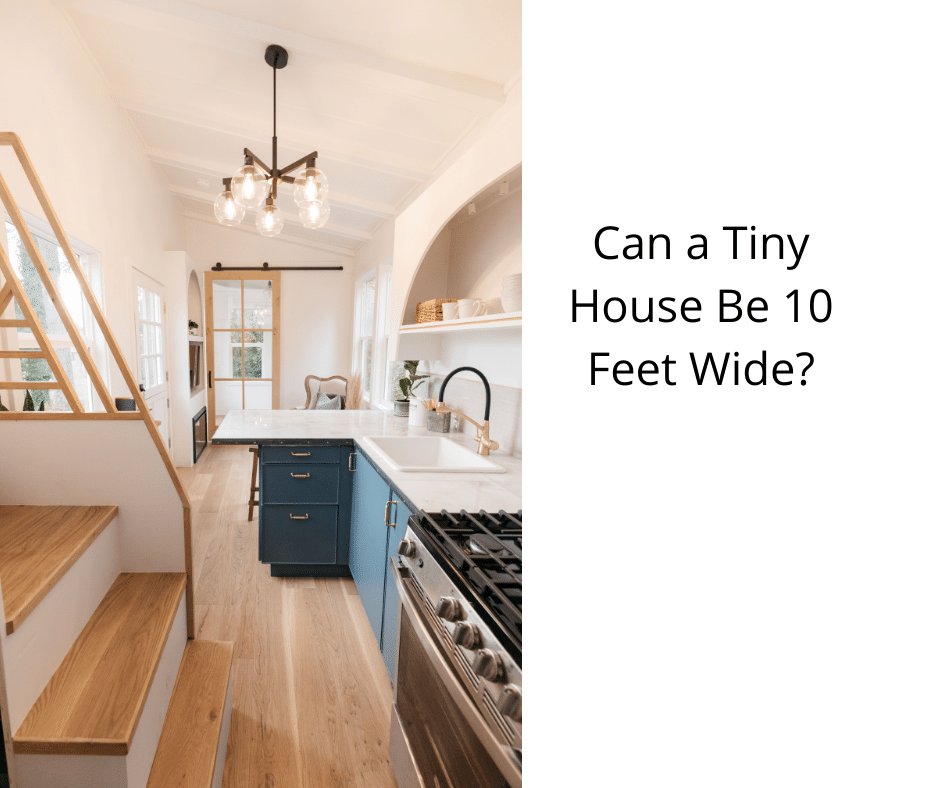
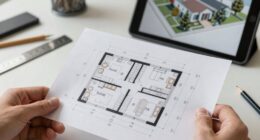
The modular approach itself is evolving, emphasizing versatility and ease of assembly. You can now choose from a variety of prefabricated modules that easily connect to create larger, multi-functional spaces. This flexibility means you can start with a compact unit and expand as your needs change, or reconfigure your layout for different seasons or purposes. The use of advanced, sustainable materials in manufacturing these modules ensures durability and longevity, so you can enjoy your home for years to come. Additionally, modular designs often incorporate large, energy-efficient windows and fold-away furniture, maximizing space and natural light—all tailored to enhance your living experience in a small footprint.
In essence, 2026’s modular tiny house trends center around a perfect blend of sustainability and smart technology. You’re empowered to live minimally while still enjoying modern comforts and eco-conscious choices. These trends make it easier to create a personalized, efficient, and environmentally friendly home that adapts to your lifestyle, proving that small living can be both innovative and sustainable.

Incustom#005 Plan of Tiny House to Live in for Adults Prefab Homes casas prefabricadas para Vivir Foldable Modular Mobile Portable House 2-Story 5 Bedroom
【Who This PLAN Is For】Dreamers seeking space and financial freedom, investors exploring smart asset allocation, and those needing…
As an affiliate, we earn on qualifying purchases.
As an affiliate, we earn on qualifying purchases.
Frequently Asked Questions
How Sustainable Are Modular Tiny House Materials?
Modular tiny house materials are quite sustainable, especially when you focus on sustainable material sourcing. You’ll find eco-friendly building practices like using recycled, renewable, or low-impact materials that minimize environmental harm. These materials often require less energy to produce and generate less waste. By choosing sustainable options, you not only reduce your carbon footprint but also create a healthier, more eco-conscious living space that aligns with green building principles.
What Are the Costs Compared to Traditional Homes?
Think of modular tiny houses as a budget-friendly oasis in a desert of expensive real estate. You’ll find that the cost comparison shows significant savings on construction and materials, making them more affordable than traditional homes. An affordability analysis reveals quicker builds and lower ongoing expenses, so you can enjoy your dream space without draining your wallet. These compact marvels offer smart savings and flexible options, perfect for your budget-conscious lifestyle.
Can Modular Designs Be Customized Easily?
Yes, modular designs offer great customization flexibility and design adaptability. You can easily tailor layouts, finishes, and features to match your preferences, making your tiny home unique. Modular construction allows you to select modules that suit your lifestyle, expand or reconfigure spaces over time, and incorporate innovative design elements. This flexibility guarantees your tiny house evolves with your needs, giving you a personalized living experience without the constraints of traditional building methods.
How Long Is the Typical Construction Process?
You’ll find that the typical construction process for a modular tiny house takes about 4 to 8 weeks, which is critically faster than traditional builds. This short construction timeline allows you to enjoy your new space sooner. Proper project planning is essential, as it helps streamline the process and avoids delays. With efficient planning, you could be moving into your custom tiny home in just a month or two.
Are Modular Tiny Homes Suitable for All Climates?
Yes, modular tiny homes are suitable for all climates. You benefit from excellent climate adaptability because manufacturers incorporate advanced insulation efficiency, ensuring your home stays warm in winter and cool in summer. Modular designs allow for customization based on your local weather conditions, so you can choose features like high-quality insulation or climate-specific materials. This flexibility makes modular tiny houses a practical and comfortable option no matter where you live.
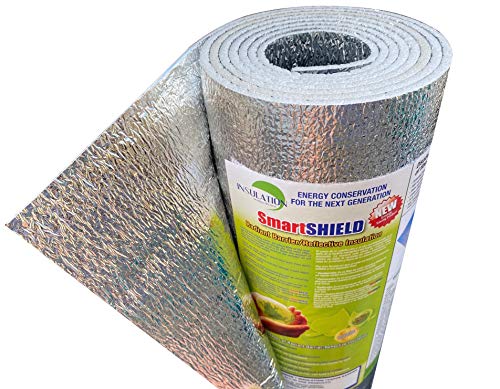
INSULATION MARKETPLACE SmartSHIELD -3mm 16inx10Ft ReflectiveINSULATION roll, Foam Core Radiant Barrier, ThermalINSULATION Shield – Engineered Foil
EXTREMELY EFFECTIVE – reflect 95% of radiant energy, perfect RADIANT BARRIER.
As an affiliate, we earn on qualifying purchases.
As an affiliate, we earn on qualifying purchases.
Conclusion
As you embrace the latest modular tiny house trends, remember they’re like building blocks—each piece fitting perfectly to create your ideal space. Imagine designing your dream home as assembling a puzzle, where every module adds to the bigger picture of freedom and flexibility. With innovation leading the way, you’re crafting a home that’s not just compact but a canvas for your lifestyle. Embrace these trends, and watch your tiny house become a masterpiece of modern living.

TOYANDONA 40pcs Miniature Dollhouse Flooring, Mini Floor Boards Self Adhesive Dollhouse Wood Flooring Peel and Stick for Dollhouse Accessories (Light Brown)
Miniature dollhouse floorboard is lifelike and realistic, suitable for decorating your dollhouse; Our geometric dollhouse wood floor, it…
As an affiliate, we earn on qualifying purchases.
As an affiliate, we earn on qualifying purchases.
![The DIY Off Grid Solar Power Bible: [10 in 1] The Most Complete and Updated Guide to Design, Install, and Maintain Solar Energy Systems for Tiny Homes, Cabins, Rvs, and Boats](https://m.media-amazon.com/images/I/51wGxoWZaLL._SL500_.jpg)
The DIY Off Grid Solar Power Bible: [10 in 1] The Most Complete and Updated Guide to Design, Install, and Maintain Solar Energy Systems for Tiny Homes, Cabins, Rvs, and Boats
As an affiliate, we earn on qualifying purchases.
As an affiliate, we earn on qualifying purchases.