
TL;DR

Get compact home essentials delivered free with Prime
- Fast, free delivery on millions of items
- Prime Video, Amazon Music and more included
- Member-only deals all year
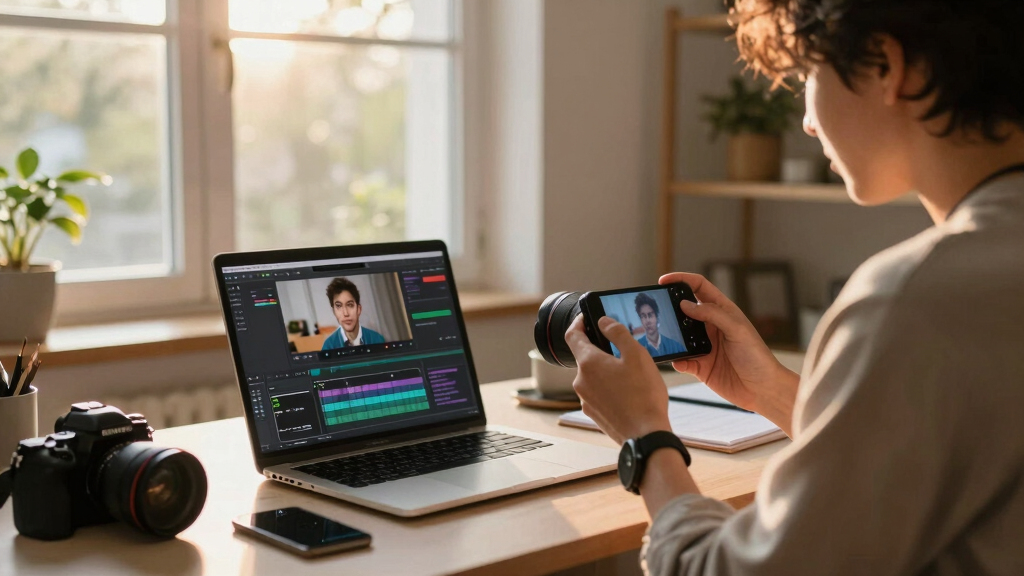
A single source video can produce a complete publishing kit—titles, descriptions, clips, social posts—all locally, without uploading your media to the cloud. This setup reduces media movement, boosts speed, and keeps your assets secure. It’s perfect for teams wanting flexibility without sacrificing control.
Imagine finishing a video and having a package of ready-to-publish assets in minutes. No waiting, no uploading gigabytes of media, no cloud dependencies. That’s the promise of a local-first, cloud-optional publishing setup.
Today’s creators and teams want speed, control, and security. They want to keep their media where it already lives—on local drives, in data centers, or in trusted storage—while still automating the production of social clips, articles, and posts. This article reveals how a single video can transform into a full publishing kit, all without pushing your media into the cloud.
Key Takeaways
- A single source video can generate titles, descriptions, clips, and social posts locally, avoiding cloud upload delays.
- The architecture leverages edge components like Blackbird Edge, keeping media in place and speeding up workflows.
- This setup reduces security risks by avoiding unnecessary media transfer and keeps your assets under your control.
- You can publish directly to multiple platforms from your local environment, without sacrificing speed or quality.
- Understanding the difference between cloud and local workflows helps you choose the right setup for your team’s priorities.
As an affiliate, we earn on qualifying purchases.
How a local-first workflow makes publishing faster and safer
Most traditional video editing and publishing tools rely heavily on the cloud. You upload media, wait for processing, then download to finalize. This process can introduce delays, sometimes taking hours or even days, especially with large files. Moreover, every transfer point is a potential security vulnerability, increasing the risk of data breaches or leaks.
In contrast, a local-first approach like ChannelHelm processes everything directly on your machine or within your local network. By analyzing and generating assets locally, it eliminates the need for large media uploads and downloads. This means your raw footage stays protected within your infrastructure, and your workflow becomes more predictable and secure. The tradeoff is that you need a capable local environment, but the benefits—faster turnaround and enhanced security—often outweigh this requirement for many teams.
This method cuts upload times from hours to minutes, enabling rapid iteration and immediate publishing. It also reduces potential points of failure and security concerns, which is crucial for sensitive or proprietary content. Ultimately, understanding the core difference helps teams make informed choices aligned with their priorities—speed, security, or convenience.

The architecture that keeps your media in place — and why it matters
ChannelHelm utilizes an architecture centered around the **Blackbird Edge** component, which is installed directly within your environment—be it a local server, data center, or private cloud. This design ensures that your media files remain where they are, rather than being transferred to external servers. This approach is significant because it preserves your control over sensitive content, minimizes transfer times, and reduces reliance on external infrastructure.
Here’s how it works in depth:
- Ingest: When you input a video via file upload or link, the system recognizes its source—whether on a local drive, NAS, or cloud storage—and keeps the media in its current location. This avoids unnecessary duplication or transfer.
- Understand: The system performs transcription, visual analysis, and data fusion locally, which requires computational resources but drastically reduces dependency on cloud processing and transfer bottlenecks.
- Generate assets: Titles, descriptions, clips, and other assets are created on-site, ensuring your raw media remains untouched and secure.
This architecture’s primary advantage is that it minimizes media transfer, which directly correlates to faster workflows and increased security. By maintaining media in place, teams can trust that proprietary or sensitive content isn’t exposed to external networks, and the entire process becomes more predictable and compliant with security policies.
The tradeoff is that local infrastructure must be properly maintained, but for many organizations, the control and speed benefits justify this investment.

Speed up your publishing with the ‘One Video, Many Assets’ magic
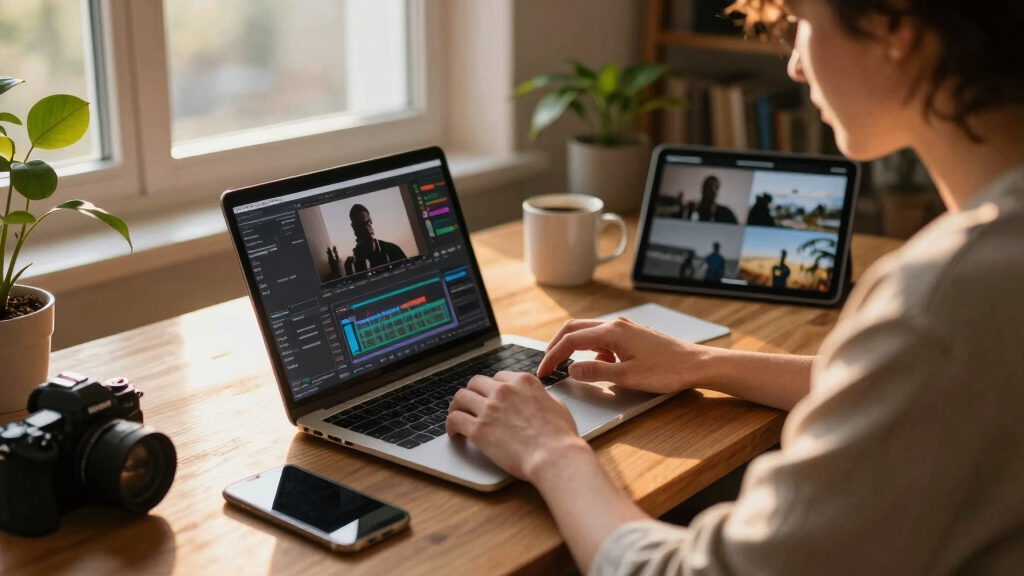
Think of it like this: you upload a single 30-minute webinar or recording, and within minutes, the system produces a comprehensive set of assets—ready for publishing across various platforms. This includes generating multiple title options optimized against character limits, crafting detailed descriptions with chapters and hashtags, and creating short clips suitable for TikTok, Reels, Shorts, and other social media. Additionally, it can produce drafts for blogs, snippets for newsletters, and tailored social posts, all derived from analyzing the original video.
This capability hinges on advanced analysis algorithms that extract meaningful content and optimize it for each platform. The key is that all this happens locally, without the need for uploading media again. The implications are profound: teams can iterate faster, respond to breaking news quickly, and maintain tighter control over their content pipeline. The tradeoff is that initial setup and computational resources need to be in place, but the efficiency gains—saving hours of manual editing and repackaging—are well worth it for most workflows.
Compare cloud vs. local: Which workflow wins for speed, security, and control?
| Feature | Cloud-Based Workflow | Local-First Workflow |
|---|---|---|
| Media transfer | Requires uploading/downloading large files, which can introduce delays and increase security risks due to data movement. | Media remains in place; only metadata and generated assets are transferred, drastically reducing transfer times and exposure. |
| Processing speed | Dependent on network bandwidth and cloud processing queues, often resulting in unpredictable delays. | Local analysis leverages your hardware, enabling rapid processing—often within minutes—regardless of internet speed. |
| Security | Assets are stored on external servers, raising concerns about data breaches and compliance. | Assets stay within your infrastructure, offering enhanced security and control over sensitive content. |
| Control | Limited control over media location and processing workflows, often dictated by cloud provider constraints. | Full control over your media and processing parameters, ensuring compliance with internal policies and security standards. |
Understanding these differences helps organizations evaluate tradeoffs—whether prioritizing speed, security, or control—and choose the workflow that best aligns with their operational requirements and risks.k appetite.

Addressing common questions about ‘without the cloud’
Many wonder: does ‘without the cloud’ mean no cloud at all? Not necessarily. It means your media isn’t forcibly uploaded into a cloud platform before editing or publishing. You can still connect to cloud storage services or social platforms, but your source content remains in your local environment until you choose to publish. This approach ensures that your raw footage and sensitive assets are protected from unnecessary exposure during the editing process.
For example, with ChannelHelm, you can keep your raw videos on your NAS or local server, analyze and prepare assets locally, and then push finished content directly to platforms like YouTube, Instagram, or Facebook—without the need for large media uploads each time. This not only speeds up your workflow but also reduces bandwidth consumption and security vulnerabilities.
Questions like ‘Where is the media stored?’ or ‘Can I publish directly to social media?’ are answered affirmatively—just without the overhead of constantly shuttling large files into cloud systems. It’s a flexible, secure, and efficient approach tailored to modern content creation needs.

Use cases where local-first workflows shine
From newsrooms to corporate teams, many groups benefit from this setup because it aligns with their need for speed, security, and control. For instance:
- News agencies: Analyze breaking footage instantly, cut clips, and publish stories while keeping media protected on-premises. This allows rapid response during critical news cycles, with minimized risks of leaks or delays.
- Sports teams: Quickly turn game footage into highlight reels without uploading hours of raw footage to the cloud, enabling faster sharing and review—especially crucial during live tournaments or post-game analysis.
- Corporate communication: Create branded videos, social posts, and internal reports from content stored securely within local servers, ensuring compliance with corporate policies and data privacy regulations.
This flexibility is especially valuable for teams working in sensitive environments or with large media libraries that can’t afford slow uploads or security breaches. It empowers them to operate more efficiently, respond swiftly, and maintain strict control over their assets, all while leveraging automation and analysis tools that traditionally depended on cloud infrastructure.
Frequently Asked Questions
What does ‘without the cloud’ actually mean in this context?
It means your source media stays on your local drives, servers, or storage systems. You don’t need to upload large files into a cloud platform before editing or publishing. Instead, processing happens locally or on your private infrastructure, then assets are pushed out when ready.
Can I still publish directly to social media from this setup?
Yes. The system allows you to export and publish assets directly to platforms like YouTube, Instagram, or Facebook, without uploading raw media first. You control media placement and timing, keeping everything fast and secure.
What is Blackbird Edge, and where is it installed?
Blackbird Edge is a software component installed in your environment—on-premises, in your data center, or in a private cloud. It handles media analysis and asset generation locally, so your raw files stay where they are, reducing upload times and enhancing security.
What formats and source types does this workflow support?
The system supports most common video formats—MP4, MOV, AVI—and integrates with cloud platforms like YouTube and Vimeo, as well as local storage. It handles live feeds, recorded videos, and even on-screen text via OCR.
How does this setup compare in complexity to traditional cloud workflows?
It’s simpler in many ways: no need for massive media uploads, fewer cloud dependencies, and browser-based editing. Setup involves installing Blackbird Edge and configuring your storage, but ongoing operation is straightforward and fast.
Conclusion
By keeping your media where it already lives, you gain speed, control, and security. A single video becomes a full publishing kit—ready in minutes, not hours.
Imagine the difference it makes: faster turnarounds, fewer risks, and total command over your content. That’s the power of a local-first, cloud-optional publishing workflow—one video, countless assets, no cloud necessary.
Columbus Day / Indigenous Peoples' Day Picks
long weekend sales
As an affiliate, we earn on qualifying purchases.