
When choosing between Passive House and Net-Zero, understanding their core differences can shape your approach to sustainable building. Passive House focuses on drastically reducing energy needs through superior insulation and airtightness, while Net-Zero aims to balance energy consumption with on-site renewable generation. Knowing how each strategy works and how they can complement each other might be the key to making your project more efficient and environmentally friendly. Curious about which approach fits your goals best?
Key Takeaways
- Passive House prioritizes reducing energy demand through superior insulation and airtightness, while Net-Zero balances energy use with on-site renewable production.
- Passive House requires a higher initial investment for quality building envelope, whereas Net-Zero costs vary based on renewable system size and integration.
- Passive House aims for minimal energy needs, relying less on renewables; Net-Zero actively produces enough renewable energy to offset consumption.
- Passive House focuses on building performance to cut energy use; Net-Zero emphasizes generating renewable energy to achieve a self-sufficient system.
- Choice depends on goals: Passive House reduces overall energy demand; Net-Zero strives for energy independence through renewable energy generation.
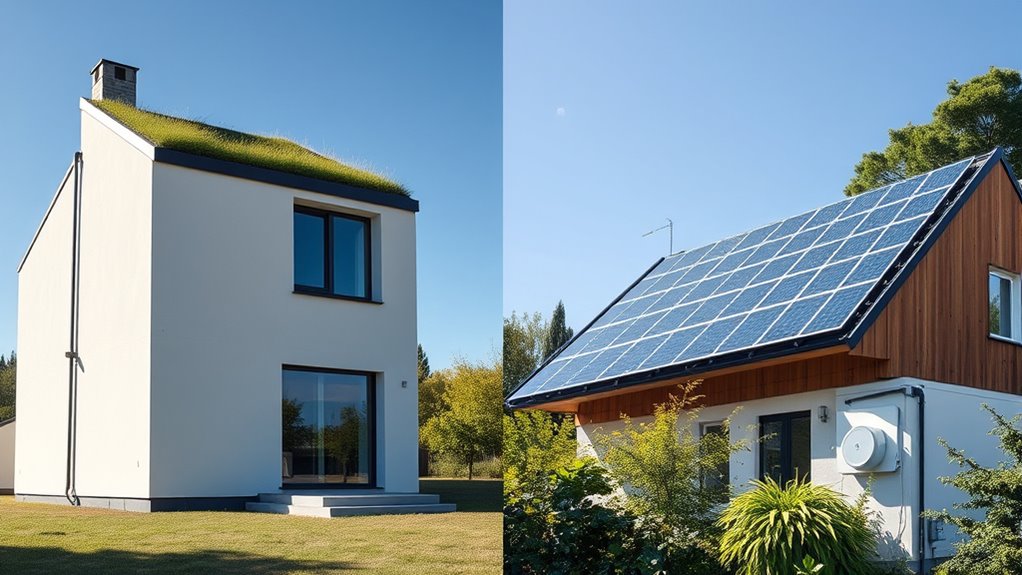
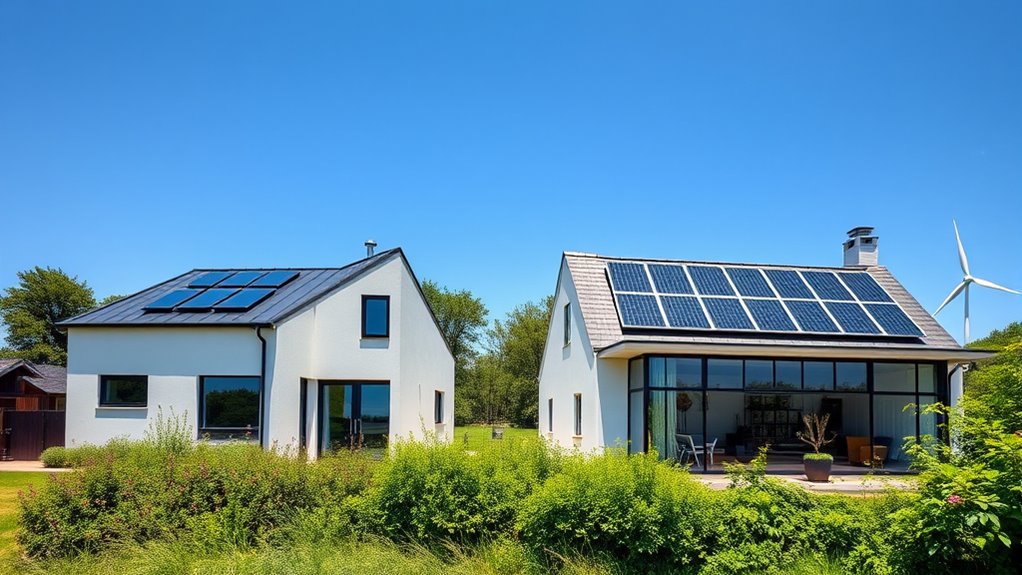
Have you ever wondered how Passive House and Net-Zero buildings differ in their approach to energy efficiency? While both aim to reduce energy consumption and minimize environmental impact, they achieve these goals through distinct strategies. Passive House primarily focuses on creating an exceptionally well-insulated and airtight structure. This means that the building’s construction incorporates high-performance windows, superior insulation, and airtight seals to drastically cut down on heating and cooling needs. The idea is to minimize energy demand, so the building naturally stays comfortable with less effort. On the other hand, Net-Zero buildings aim to offset their energy use entirely by generating an equivalent amount of renewable energy on-site or nearby. This is where renewable integration plays a key role. Net-Zero designs often incorporate solar panels, wind turbines, or other renewable energy sources to produce enough power to match consumption. It’s a more dynamic approach that balances energy input and output, making the building self-sufficient over time. Additionally, innovative renewable energy technologies are continually evolving to make net-zero buildings more feasible and cost-effective.
When comparing construction costs, Passive House tends to require a higher initial investment. Achieving the rigorous standards involves premium materials, meticulous construction practices, and advanced insulation systems, which can drive up upfront costs. However, these costs are often offset over the long term through drastically reduced energy bills. In contrast, Net-Zero buildings can sometimes be less expensive initially if renewable energy systems are integrated efficiently. Still, the total costs depend heavily on the size of the renewable systems needed and the complexity of the building’s design. Installing extensive solar arrays or wind turbines can be costly upfront but offers the benefit of producing free energy afterward. The choice between the two often hinges on local factors—such as climate, available renewable resources, and building codes—and financial considerations.
While Passive House emphasizes reducing energy needs through superior building performance, Net-Zero advocates for producing as much renewable energy as the building consumes. Both approaches require thoughtful planning, but their fundamental difference lies in how they view energy: Passive House minimizes demand, whereas Net-Zero aims for a balance through renewable generation. If your priority is to cut down on energy use as much as possible with a focus on building envelope quality, Passive House is a solid choice. If you’re interested in generating your own renewable energy to offset consumption, then Net-Zero may fit better. Ultimately, understanding these core differences helps you decide which path aligns best with your goals, budget, and the environment.
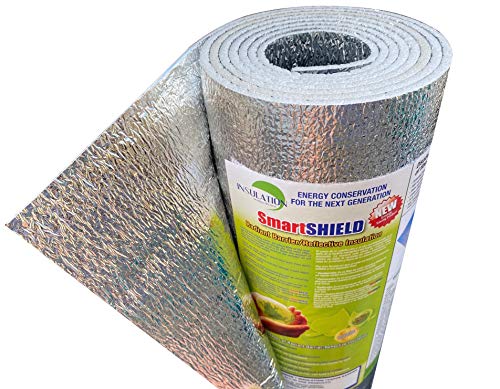
INSULATION MARKETPLACE SmartSHIELD -3mm 48inx10ft ReflectiveINSULATION roll, Foam Core Radiant Barrier, ThermalINSULATION Shield – Engineered Foil
EXTREMELY EFFECTIVE – reflect 95% of radiant energy, perfect RADIANT BARRIER.
As an affiliate, we earn on qualifying purchases.
As an affiliate, we earn on qualifying purchases.
Conclusion
While Passive House reduces your energy needs through exceptional insulation and airtightness, Net-Zero ensures your building generates as much energy as it consumes with renewables. Some might think balancing both is too complex or costly, but integrating these strategies can actually save you money long-term and boost sustainability. By combining them, you create a highly efficient, self-sufficient space that’s better for the environment—and easier on your wallet over time.
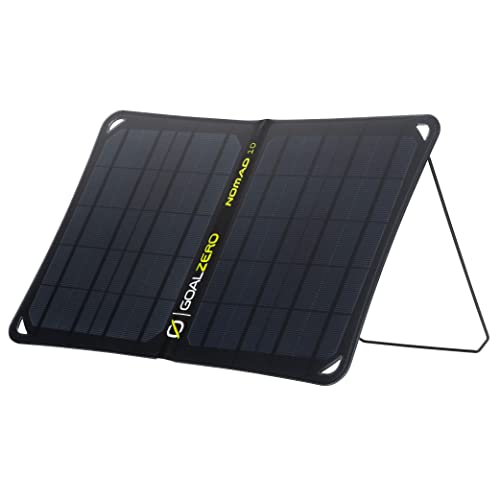
Goal Zero Nomad 10, Foldable Monocrystalline 10 Watt Solar Panel with USB Port, Portable Solar Panel Backpacking, Hiking and Travel. Lightweight Backpack Solar Panel Charger with Adjustable Kickstand
HIGH EFFICIENCY PANEL: The 10W, 6-7V Panel has a built in USB port, great for small device charging
As an affiliate, we earn on qualifying purchases.
As an affiliate, we earn on qualifying purchases.

EternaBond RoofSeal White 4" x50' MicroSealant UV Stable RV Roof Seal Repair Tape | 35 mil Total Thickness – EB-RW040-50R – One-Step Durable, Waterproof and Airtight Sealant
MULTI-USE: Perfect for use on metal buildings, trailer/RV roofs and sides, drain pans, drain pipes, boats, canoes. bonds…
As an affiliate, we earn on qualifying purchases.
As an affiliate, we earn on qualifying purchases.

6000 BTU Window Air Conditioner, Cools up to 375 Sq. Ft., WIFI Enabled Energy Saving Window AC, Remote & App Control & Timer Function & Easy Install Kit, Perfect for Small Bedroom, Living Room
Fast Cooling: 6000 BTU window-mounted air conditioner is perfect for cooling a compact room up to 375 square…
As an affiliate, we earn on qualifying purchases.
As an affiliate, we earn on qualifying purchases.