
Like Sherlock Holmes piecing together clues, decoding refrigerator energy ratings requires attention to detail. You might think that the size or brand is enough to judge efficiency, but there’s more beneath the surface. Understanding what the ENERGY STAR label and energy guide tell you can help you make smarter choices. So, what truly matters when selecting an energy-efficient fridge, and how can it impact your long-term savings? The answers could change the way you shop.
Key Takeaways
- Focus on the energy guide label’s annual consumption in kWh; lower values mean better efficiency.
- Check for ENERGY STAR certification for appliances that exceed standard efficiency criteria.
- Consider long-term savings: higher upfront costs for efficient models may be offset by lower utility bills.
- Evaluate refrigerator size and features to ensure energy consumption aligns with your needs.
- Review the estimated annual energy cost to understand the appliance’s impact on your utility bills.
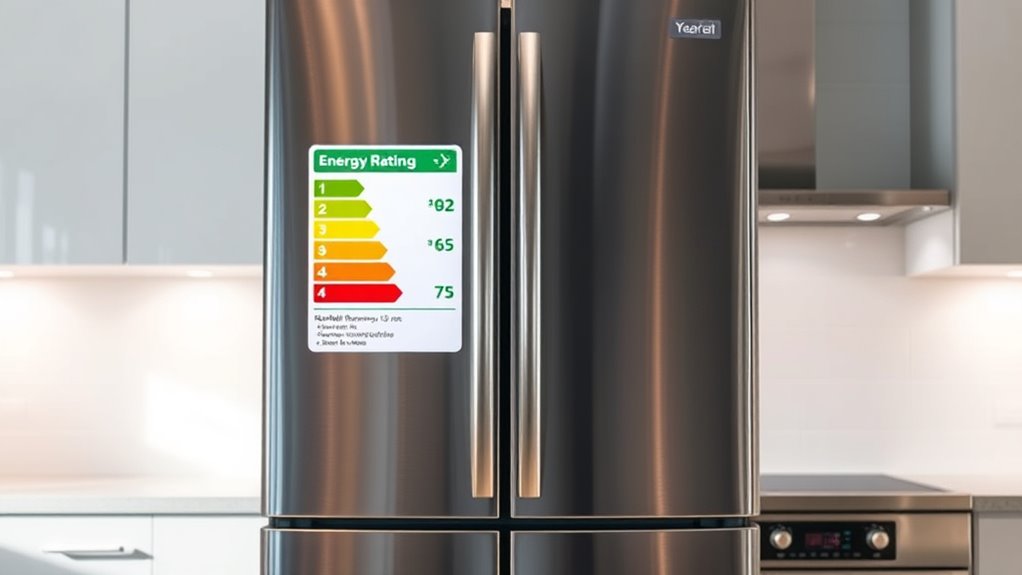
Understanding refrigerator energy ratings helps you choose appliances that save money and reduce environmental impact. When shopping for a new fridge, it’s essential to grasp what these ratings mean, especially regarding energy efficiency and the different rating systems used. Energy efficiency measures how well a refrigerator uses electricity to keep your food cold, which directly impacts your utility bills. Appliances with higher energy efficiency consume less power without sacrificing performance, making them a smarter choice in the long run. Rating systems, such as the ENERGY STAR label and the DOE’s energy guide, serve as standardized benchmarks to help you compare models quickly and easily. The ENERGY STAR program, in particular, highlights appliances that meet strict energy efficiency criteria, signaling that they operate more sustainably and cost-effectively.
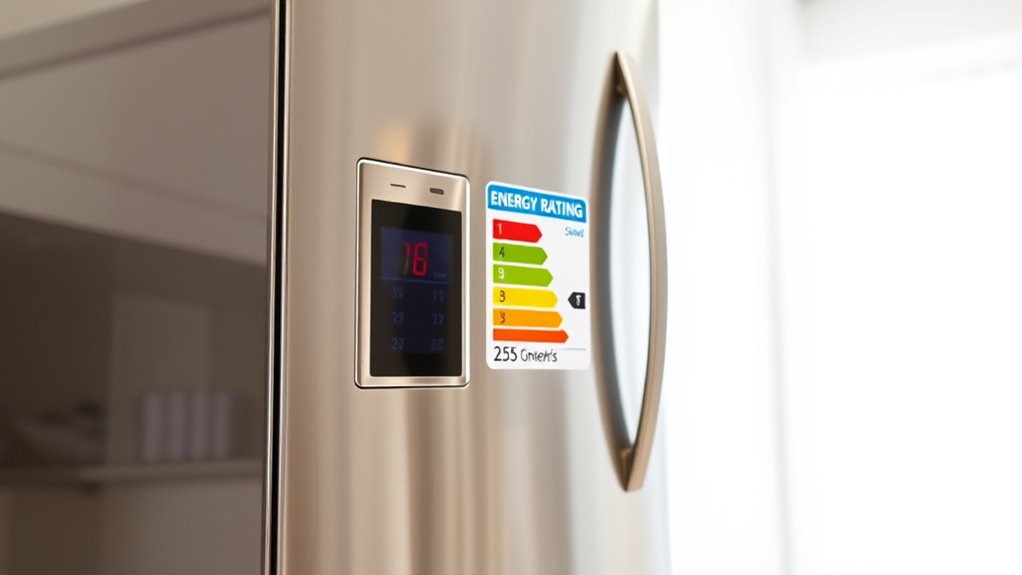
Most modern refrigerators come with an energy guide label that displays an estimated annual energy consumption in kilowatt-hours (kWh). This number provides a clear way to compare different models, regardless of size or features. A lower kWh value indicates a more energy-efficient refrigerator, meaning it uses less electricity throughout the year. When you’re comparing models, don’t just look at the upfront cost; take note of the estimated annual energy cost, which factors in your local utility rates. Over time, choosing a more efficient model can lead to significant savings on your electricity bill, offsetting any higher purchase price initially paid. Additionally, energy efficiency is often influenced by the design and insulation quality of the refrigerator, which can further impact long-term savings.
Rating systems play an essential role in helping consumers like you make informed decisions. They set clear standards so you can identify appliances that deliver the best balance of performance and energy savings. An ENERGY STAR label, for example, isn’t just a marketing badge; it signifies that the refrigerator exceeds minimum energy efficiency requirements set by the Environmental Protection Agency and the Department of Energy. This means you’re not only reducing your environmental footprint but also investing in an appliance that’s likely to last longer and perform better over time. Keep in mind, though, that energy ratings are most useful when used alongside other factors like size, features, and brand reputation.

BLACK+DECKER 2.5 Cu. Ft. Compact Refrigerator, ENERGY STAR Certified, Single Door Mini Fridge with Chiller Compartment, Personal Fridge for Home or Dorm Room, R600a Refrigerant, BCRK25V,Stainless Look
Compact & Stylish: The sleek, modern design – available in black, stainless look vinyl, and white – is…
As an affiliate, we earn on qualifying purchases.
As an affiliate, we earn on qualifying purchases.
Conclusion
By understanding refrigerator energy ratings, you can make smarter choices that save you money and help the environment. Look for the ENERGY STAR label and compare energy guide estimates to find the most efficient model. Remember, a little research now can keep your utility bills in check and your appliances running smoothly for years to come. It’s all about hitting two birds with one stone—saving green while being green.

Commercial Cool Storage Design Guide
Used Book in Good Condition
As an affiliate, we earn on qualifying purchases.
As an affiliate, we earn on qualifying purchases.
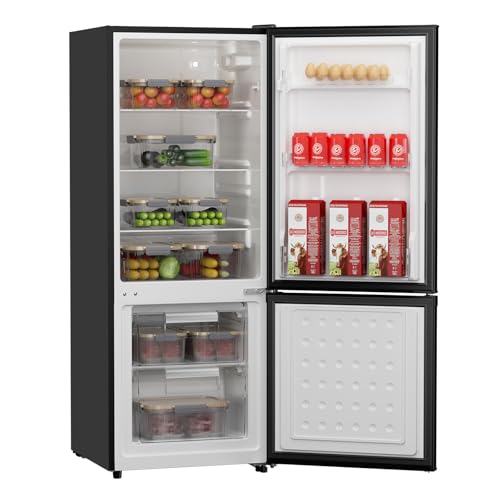
Upstreman 7.1 Cu.Ft Refrigerator with Bottom Freezer, Apartment Fridge with Freezer, Energy-efficient, Large Capacity, Adjustable Thermostat, Refrigerator for Apartment, Kitchen, Dorm(BM71)
7.1 Cu.Ft Large Capacity Fridge: This space-saving double-door (21.46"W x 55.91"H x 21.46"D) refrigerator packs serious storage. Top…
As an affiliate, we earn on qualifying purchases.
As an affiliate, we earn on qualifying purchases.

Frostorm 3.2 Cu Ft Mini Fridge with Freezer – Energy Efficient, Large Capacity Single Door Upright Freezer for Bedroom, Office & Dorm | Small Fridge, Reversible Door, ETL Certified(Silver)
【Large 3.2 Cu Ft Capacity with 0.35 Cu Ft Freezer Compartment】Perfect as a compact mini fridge for your…
As an affiliate, we earn on qualifying purchases.
As an affiliate, we earn on qualifying purchases.