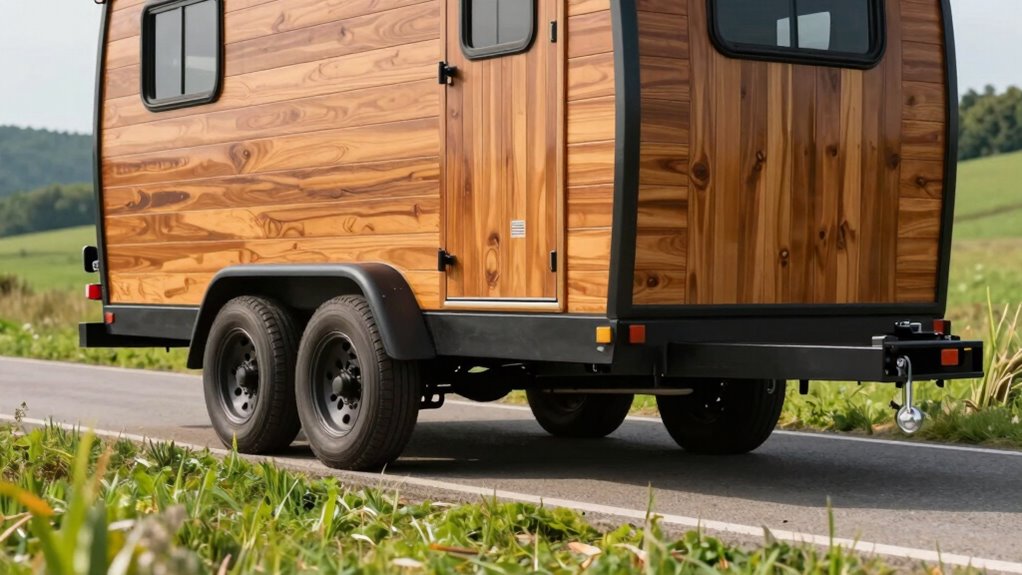

Before relocating your tiny house on wheels, check that your utility connections—water, sewage, electricity, and internet—are compatible with the new site and in good condition. Contact local providers to understand connection requirements and permits. Make certain your portable systems are functioning properly, and review local zoning laws and permits to avoid legal issues. Planning ahead can save surprises; keep exploring to learn more about ensuring a smooth move.

Get compact home essentials delivered free — and shop member deals
- Fast, free delivery on millions of items
- Access to Prime Big Deal Days deals on October 6–7
- Prime Video, Amazon Music and more included
Key Takeaways
- Verify utility connections and compatibility at the new site, including water, sewage, electricity, and internet.
- Ensure portable utility systems and equipment are functioning properly and ready for transport.
- Research local regulations, permits, and zoning laws to ensure compliance before moving.
- Confirm that the tiny house meets local building standards and setback requirements.
- Contact service providers and authorities early to clarify connection procedures and avoid surprises.
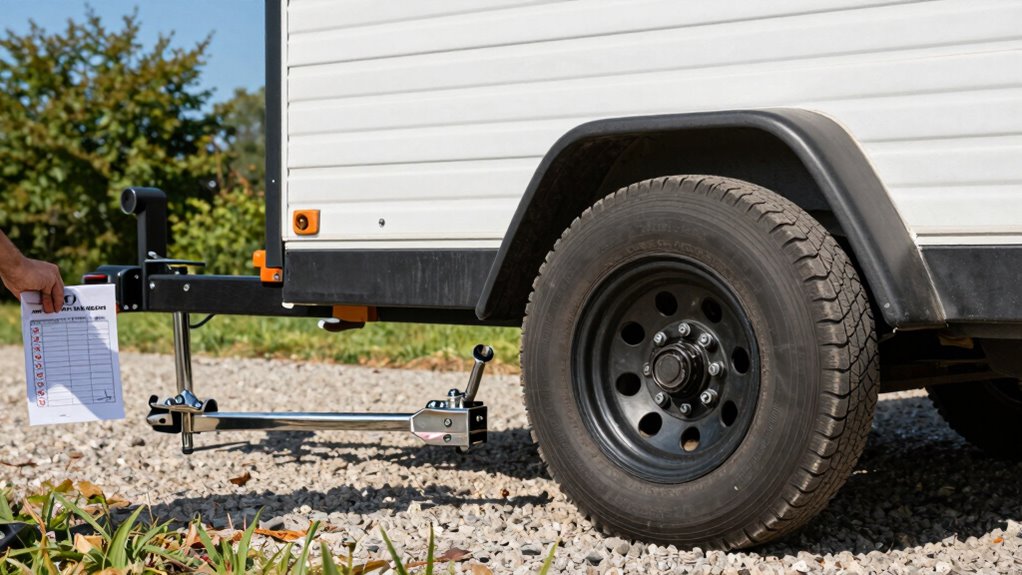
Relocating a tiny house on wheels requires careful planning to avoid surprises and guarantee a smooth move. One of the first steps you should take is checking on utility connections. Before you hit the road, verify that your tiny house is equipped to connect seamlessly to utilities at your new location. This means confirming that your water, sewage, electricity, and internet hookups are properly set up and compatible with the new site’s infrastructure. If you rely on portable systems, like a water tank or solar power, ensure that they’re in good condition and ready for transportation. If your tiny house needs to connect to municipal services, contact local providers ahead of time to understand any requirements or restrictions. This preparation helps you avoid delays or unexpected costs once you arrive. Additionally, understanding utility compatibility can help you identify any adjustments needed before moving.
Alongside utility concerns, understanding local regulations is vital. Different areas have specific rules about where and how tiny houses can be parked and used. Some municipalities treat tiny houses as RVs, requiring you to follow certain standards, while others may classify them as permanent dwellings, demanding compliance with local zoning laws. Before moving, research the regulations in your destination to confirm your tiny house meets all the legal requirements. This might include obtaining permits, adhering to set-back distances, or following specific construction standards. Ignoring local regulations can lead to fines, the need to relocate your tiny house again, or even legal disputes. To stay compliant, consider consulting local authorities or a legal expert familiar with tiny house laws in the area.
portable water tank for tiny house
As an affiliate, we earn on qualifying purchases.
As an affiliate, we earn on qualifying purchases.
Frequently Asked Questions
Can I Legally Park My Tiny House Anywhere?
You can’t legally park your tiny house anywhere without verifying local regulations. Tiny house design varies, and some areas require permits or designated spots. Before moving logistics, research zoning laws, HOA rules, and parking restrictions in your desired location. Always guarantee your tiny house complies with regional codes to avoid fines or being asked to move. Planning ahead helps you enjoy your tiny house lifestyle without legal issues.
How Do I Ensure My Tiny House Complies With Local Laws?
To guarantee your tiny house complies with local laws, start by researching tiny house zoning regulations in your area. Check if mobile home codes apply and whether your property allows for tiny house parking. Contact local planning offices or zoning departments to clarify restrictions and necessary permits. Staying informed helps you avoid fines or legal issues, so always verify regulations before moving your tiny house.
What Insurance Is Needed for Tiny House Relocation?
Think of your tiny house as a ship setting sail—tiny house insurance becomes your sturdy anchor. For relocation logistics, you’ll need specialized coverage that protects against accidents, theft, and damages during transport. Verify with your insurer that your policy covers the move, including any permits or roadside assistance. This way, you’re prepared for unexpected waves, ensuring your adventure stays smooth and worry-free.
How Do I Handle Utility Connections After Moving?
After moving your tiny house, you need to handle utility connections promptly. Start with a utility hookup by contacting local providers to set up water, electricity, and sewage. For water connection, guarantee your water line is properly connected and functioning. Check for any leaks or issues. Confirm that your power connection is secure, and schedule any necessary inspections. This way, your tiny house is fully functional and comfortable in its new location.
What Permits Are Required for Moving a Tiny House?
You need to check local Tiny house zoning laws and vehicle registration requirements before moving. Many areas require permits for tiny houses on wheels, especially if you plan to park them on public land or streets. You might also need to register your tiny house as a vehicle, ensuring it meets safety standards. Contact your local authorities to get specific permit details and avoid fines or legal issues during your move.
Conclusion
Before hitting the road with your tiny house on wheels, double-check everything from weight limits to road permits to guarantee a smooth move. Imagine planning a cross-country trip only to find out your house exceeds weight restrictions — that’s a costly mistake you can avoid with proper prep. By thoroughly inspecting your setup, you prevent surprises and keep your journey safe and stress-free. Take the time now, so your tiny house adventure starts on the right foot.
Evergreen bestsellers Picks
bestsellers
As an affiliate, we earn on qualifying purchases.