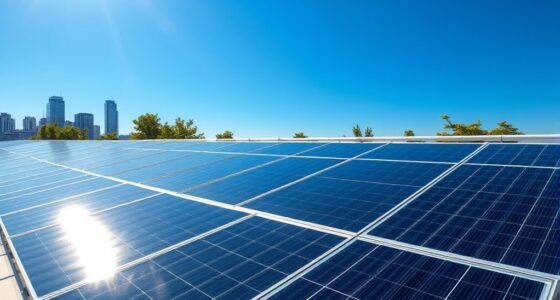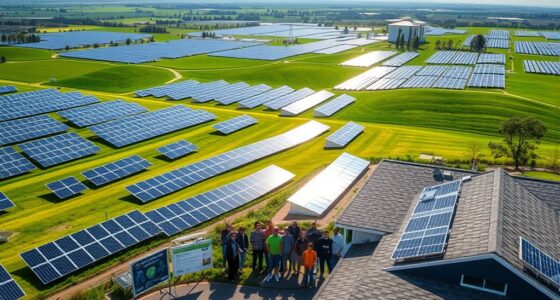
Solar generators are a smart addition to your emergency tiny house plan because they offer reliable, eco-friendly power during outages or disasters. They let you operate critical devices like lights, communication tools, and small appliances without relying on the grid or fuel. Their portability and low maintenance make them perfect for off-grid and emergency scenarios. If you want to understand how to maximize their benefits and guarantee your tiny house stays self-sufficient, keep exploring the options.
Prime for Young Adults — start your free trial
Fast free delivery, streaming and member deals for eligible 18–24 year olds.
As an affiliate, we earn on qualifying purchases.
Key Takeaways
- Solar generators provide reliable, off-grid power, essential for emergency preparedness in tiny houses during outages or disasters.
- They enable sustainable energy use, reducing dependence on fuel and minimizing environmental impact in emergency situations.
- Their portability allows easy setup and movement, ensuring power availability in various emergency or outdoor scenarios.
- Proper sizing and integration support critical devices like lights, communication tools, and small appliances during crises.
- Investing in solar generators enhances tiny house resilience, safety, and self-sufficiency in emergency planning.
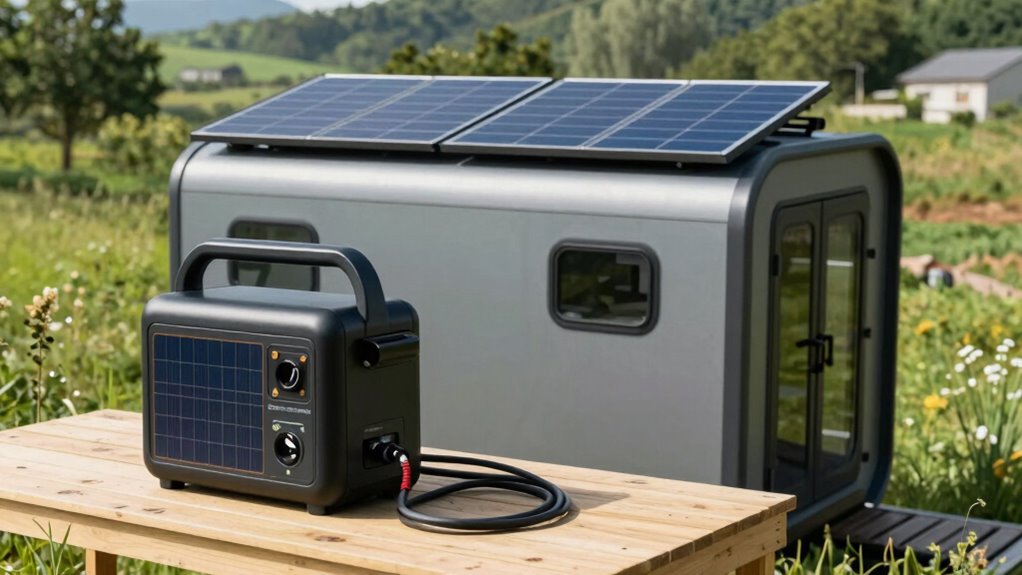
When planning an emergency tiny house, integrating a solar generator can considerably enhance your independence and safety. In situations where power outages or natural disasters strike, having a reliable source of renewable energy becomes essential. Solar generators provide a sustainable, eco-friendly way to generate portable power, ensuring you can maintain critical functions like lighting, communication, and basic appliances without relying on the grid. Their quiet operation and low maintenance make them perfect for tiny houses, which often have limited space and resources.
A solar generator harnesses the sun’s energy through solar panels, converting it into electricity stored in a built-in or external battery. This setup allows you to generate power during the day and have it available when you need it, even after sunset. Because they use renewable energy, you’re reducing your carbon footprint and avoiding the fuel costs and emissions associated with traditional generators. Plus, many models are lightweight and compact, making them easy to transport and set up wherever your tiny house might be located.
In an emergency, having a portable power source that doesn’t depend on fuel or external electrical connections is a game-changer. You can charge your solar generator during good weather and store enough energy to power essential devices, such as radios, LED lights, small refrigerators, or medical equipment. This independence from traditional power sources means you’re less vulnerable to outages, and you can maintain a sense of normalcy even in unpredictable circumstances. Because solar generators are designed for portability, you can also easily move them to different locations or use them as backup power for outdoor activities or off-grid adventures. Additionally, advancements in projector technology demonstrate how portable power solutions like solar generators can support various electronic devices, expanding their usefulness in emergency scenarios.
Incorporating a solar generator into your emergency tiny house plan isn’t just about sustainability—it’s about security. You’ll have peace of mind knowing that you have a dependable, renewable energy source that can be relied upon when traditional power sources fail. Investing in energy storage solutions can further enhance your preparedness by ensuring you have enough power reserves during prolonged outages. Properly sizing your solar power system is crucial to meet your energy needs, and consulting with experts or using online tools can help optimize your setup. Over time, the cost savings on fuel and utility bills make it a practical investment, especially since maintenance tends to be minimal. Overall, a solar generator offers a smart, eco-conscious way to ensure continuous power, making your tiny house a resilient, self-sufficient refuge in any emergency situation.
As an affiliate, we earn on qualifying purchases.
Frequently Asked Questions
What Is the Lifespan of a Typical Solar Generator?
A typical solar generator lasts around 8 to 15 years, depending on usage and maintenance. Its lifespan is influenced by battery capacity and how often you cycle it. Higher capacity batteries tend to last longer, but they may require more frequent charging. Charging time varies based on sunlight and the generator’s power, usually taking a few hours to fully recharge. Regular care guarantees you get the most longevity from your solar generator.
How Much Maintenance Do Solar Generators Require?
Think of your solar generator as a garden that needs tending. You’ll mostly check its battery capacity to guarantee it’s fully charged and keep an eye on its portability features for easy handling. Maintenance is minimal—just clean dust off ports and make sure connections stay tight. Occasionally, you might calibrate the battery, but overall, it’s a set-it-and-forget-it device, ready to power your tiny house when needed.
Are Solar Generators Safe to Use Indoors?
Yes, solar generators are generally safe to use indoors if you follow proper indoor safety guidelines. They produce clean energy without harmful fumes, reducing fire hazards compared to gas-powered generators. However, you should guarantee proper ventilation and keep the device away from water to prevent electrical issues. Always read the manufacturer’s instructions, and use the solar generator in well-ventilated areas to minimize any risk of fire hazards.
Can Solar Generators Power All Emergency Appliances?
You might think solar generators can power all emergency appliances, but that depends on their battery capacity and portability features. Many models handle basic essentials like lights and small devices, but larger appliances like refrigerators or heaters often require more power than a typical portable unit provides. To guarantee you’re prepared, choose a solar generator with sufficient battery capacity and portability features suited to your specific emergency needs.
How Do Weather Conditions Affect Solar Generator Performance?
Weather variability and solar shading directly impact your solar generator’s performance. Cloudy days, rain, or snow reduce sunlight, lowering energy output. Shade from trees or nearby structures can block sunlight, decreasing efficiency. To maximize power, you should position your solar panels in open, unobstructed areas and consider weather patterns in your planning. Regular maintenance and monitoring can also help guarantee your solar generator performs at its best, even in changing weather conditions.
Conclusion
Think of your emergency tiny house as a lifeboat, and the solar generator as its steady, reliable engine. When the storm hits, and power goes out, having that solar backup means you’re not just surviving—you’re staying afloat. I once met a family who weathered a blackout comfortably, thanks to their solar generator. It’s not just a gadget; it’s your peace of mind, ensuring you’re prepared to face any storm that comes your way.
Flea & tick season Picks
flea and tick prevention
As an affiliate, we earn on qualifying purchases.