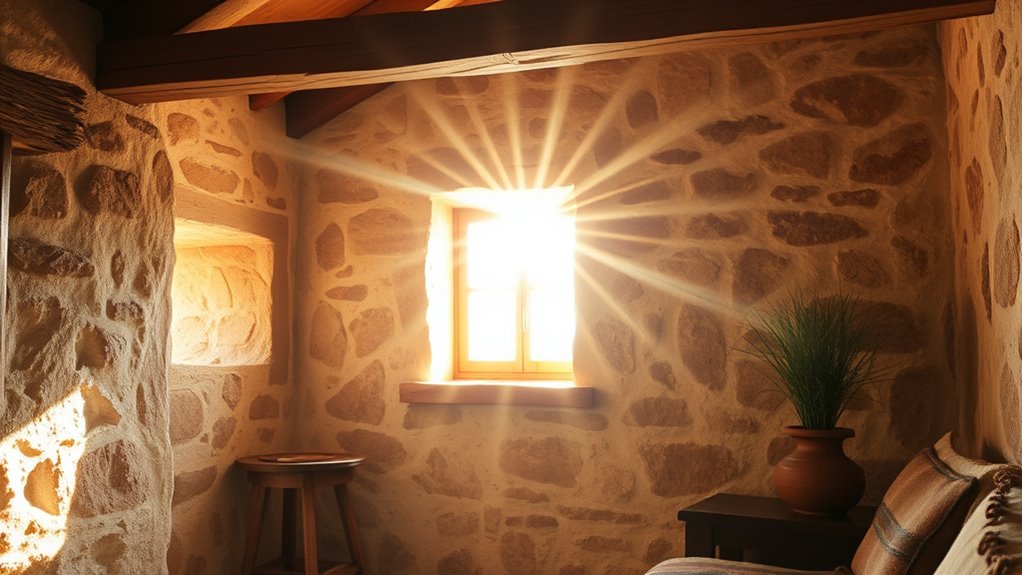

Thermal mass in small houses involves using materials like concrete, brick, or stone to absorb, store, and gradually release heat, helping keep indoor temperatures comfortable naturally. By carefully placing high heat capacity materials and combining them with passive solar design, you can reduce reliance on active heating and cooling. Proper insulation and shading further enhance this effect, creating an energy-efficient, cozy home. If you want to explore how to optimize thermal mass for your space, keep going to learn more.
Key Takeaways
- Thermal mass materials like concrete and brick absorb and slowly release heat, stabilizing indoor temperatures.
- Proper placement of windows and thermal mass enhances passive solar heating in small homes.
- Insulation works with thermal mass to prevent unwanted heat transfer and improve temperature stability.
- Combining shading devices with thermal mass optimizes comfort across different seasons.
- Selecting durable, high-capacity materials suited to the climate maximizes energy savings and indoor comfort.
Have you ever wondered how small houses stay warm in winter or cool in summer? The secret often lies in understanding thermal mass and how it interacts with your home’s design. Thermal mass refers to materials that can absorb, store, and release heat, helping to moderate indoor temperatures naturally. When you incorporate effective insulation strategies along with passive solar design, you create a harmonious system that reduces reliance on heating and cooling systems, saving energy and money.
Thermal mass helps small homes stay comfortable by absorbing and releasing heat naturally.
Passive solar techniques are central to this approach. By positioning windows to maximize sunlight during winter and minimize heat gain in summer, you harness the sun’s energy to regulate indoor temperatures. During the day, sunlight enters through south-facing windows, warming the thermal mass materials like concrete, brick, or stone inside your house. As these materials absorb heat, they store it throughout the day. When night falls, the thermal mass slowly releases that stored heat, maintaining a comfortable temperature inside. This process reduces the need for active heating, especially in colder months.
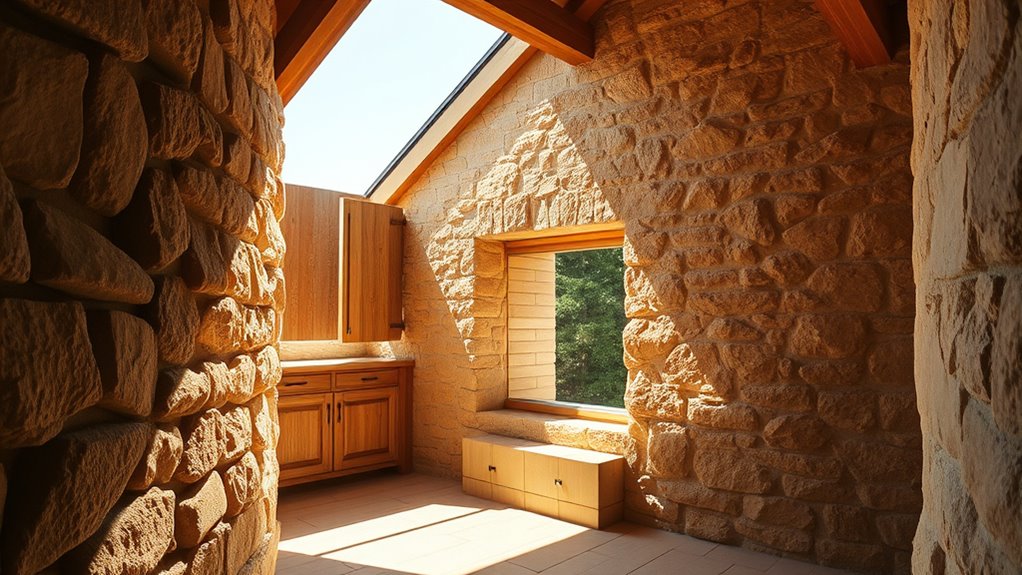
To optimize thermal mass, you should select materials with high heat capacity that are also durable and suitable for your climate. Concrete floors, brick walls, and stone features are excellent options because they can hold substantial amounts of heat and release it gradually. When combined with strategic insulation, these materials become even more effective. Insulation strategies focus on minimizing unwanted heat transfer through walls, roofs, and floors, ensuring that the thermal mass can perform its job without losing or gaining excess heat from outside. Proper insulation keeps warm air inside during winter and prevents unwanted heat from entering during summer, creating a stable indoor environment.
You might also consider integrating shading devices, such as overhangs or deciduous trees, to control solar gain during hot months. These passive solar elements work alongside thermal mass to keep your house comfortable year-round. Additionally, understanding the WWE Raw’s Financial Impact reveals how incorporating energy-efficient designs can have significant economic benefits over time.
The key is to balance the amount of sunlight reaching your thermal mass with appropriate insulation and shading, creating a passive climate control system that’s both sustainable and cost-effective.
In essence, understanding thermal mass involves recognizing how materials interact with sunlight and insulation strategies. When used effectively, passive solar design principles can make your small house naturally comfortable, reducing your energy bills and environmental footprint. It’s about designing a space that works with nature, not against it, by leveraging the natural properties of materials and intelligent placement. That way, your small house becomes a resilient, cozy retreat no matter the season.
concrete thermal mass for small houses
As an affiliate, we earn on qualifying purchases.
As an affiliate, we earn on qualifying purchases.
Frequently Asked Questions
How Does Thermal Mass Affect Indoor Air Quality?
Thermal mass influences indoor air quality by enhancing thermal comfort, helping your home stay warm or cool more effectively. As it moderates temperature fluctuations, it reduces the need for constant heating or cooling, which can improve air circulation by maintaining a stable environment. You’ll notice better air quality because consistent temperatures prevent mold growth and reduce dust, creating a healthier indoor space where you feel more comfortable.
Can Thermal Mass Be Integrated Into Existing Small Houses?
Yes, you can incorporate thermal mass into existing small houses through thermal mass retrofits. You might add materials like concrete or brick in strategic locations, or install thermal mass walls. Pair these with effective insulation strategies to maximize energy efficiency. By doing so, you’ll enhance your home’s ability to store and release heat, making it more comfortable year-round without major renovations.
What Are the Environmental Impacts of Using Different Thermal Mass Materials?
Think of thermal mass materials as the silent guardians of your home, much like the enduring stone walls of ancient castles. Their environmental impacts hinge on their material lifecycle and embodied energy; natural materials like clay or rammed earth typically have lower embodied energy, reducing environmental strain. Conversely, synthetic options may have higher embodied energy, increasing their footprint. Choosing wisely helps minimize your home’s ecological impact and promotes sustainable living.
How Does Climate Influence the Effectiveness of Thermal Mass?
Climate variability greatly influences how effective thermal mass is in your small house. In hot climates, thermal mass absorbs heat during the day and releases it at night, helping with seasonal adaptation. Conversely, in colder climates, it retains warmth longer, reducing heating needs. You should consider your local climate when designing your home, ensuring your thermal mass can optimize energy efficiency and comfort throughout seasonal changes.
Are There Cost-Effective Ways to Enhance Thermal Mass in Small Homes?
You can boost your small home’s thermal mass without breaking the bank by using simple insulation techniques and smart window placement. Adding dense materials like brick or concrete inside your walls helps store heat, while positioning windows to maximize sunlight exposure during winter keeps your home warmer naturally. Think of it as hitting two birds with one stone—improving comfort and energy efficiency without costly upgrades.
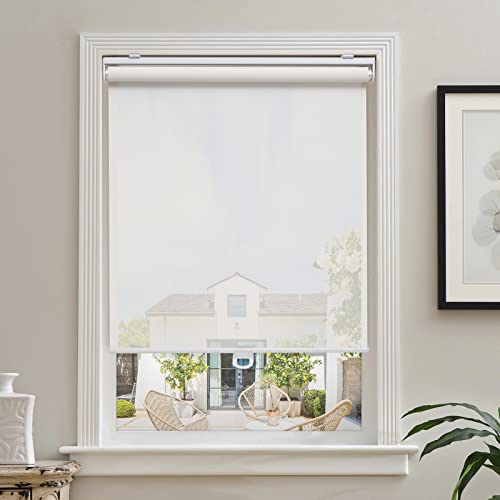
AOSKY Cordless Roller Shades for Windows Light Filtering Shades with 5% Openness Solar Screen Semi Sheer Roller Blinds UV Protection for Office and Home. Easy to Install 35" W x 72" H (White)
[ECO-FRIENDLY FABRIC ]: Light filtering roller shade is 100% polyester fabric. Good ventilation capability, anti-static, dust-proof and durable….
As an affiliate, we earn on qualifying purchases.
As an affiliate, we earn on qualifying purchases.
Conclusion
Think of thermal mass as the silent guardian of your home, quietly absorbing the sun’s warmth during the day and releasing it at night. It’s like a steady heartbeat, maintaining comfort when outside chaos stirs. By understanding and harnessing this subtle force, you’re not just building a house—you’re creating a sanctuary that breathes with the seasons. Embrace thermal mass, and let it be the quiet symbol of your home’s resilience and harmony.
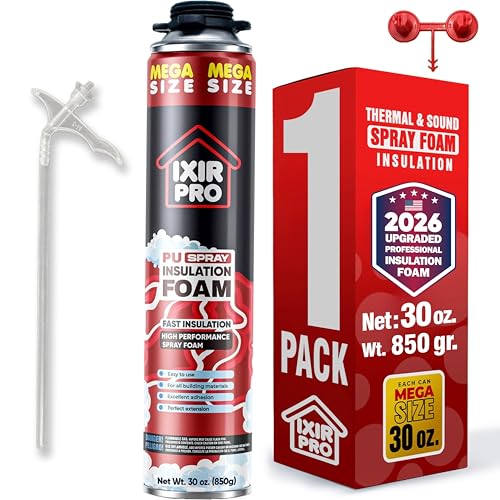
Spray Foam Insulation Can (30 oz. / 850 g, 23 Board ft/sq.ft) Expanding Sealant, Mega Size Closed Cell Spray Foam Insulation, High Density, Walls Ceiling Windows Doors
MEGA SIZE SPRAY FOAM INSULATION: Covers up to 23 board feet (based on standard application thickness); actual yield…
As an affiliate, we earn on qualifying purchases.
As an affiliate, we earn on qualifying purchases.

Thermal Inertia in Energy Efficient Building Envelopes
As an affiliate, we earn on qualifying purchases.
As an affiliate, we earn on qualifying purchases.