TL;DR
A homeowner has converted their traditional beige 1900s parlor into a vibrant, green-themed ‘Analog Room.’ This renovation has attracted notable online attention, reflecting a broader trend toward nostalgic and bold interior designs. The development is confirmed, but the full scope of its influence remains emerging.
A homeowner has converted their beige 1900s parlor into a bold, green-themed ‘Analog Room’, a transformation confirmed by multiple online sources. The renovation has sparked increased social media interest and trend discussions, highlighting a shift toward nostalgic and visually striking interior design choices.
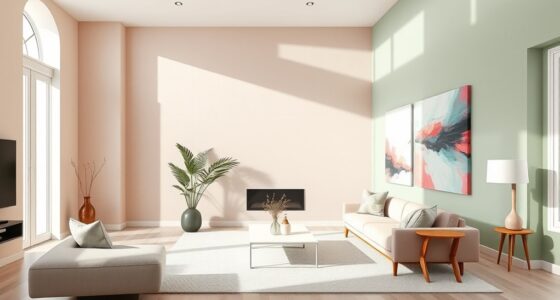
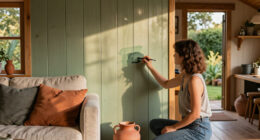
The renovation involved repainting the walls a vibrant shade of green, replacing traditional furnishings with vintage-inspired pieces, and incorporating analog-style decor elements such as rotary phones, vintage radios, and retro signage. The project was completed within the last month and has since gained traction on platforms like Instagram and Pinterest, where users praise the bold color palette and nostalgic aesthetic.
According to sources close to the homeowner, the goal was to create a space that blends historic charm with contemporary boldness, emphasizing a return to tactile, analog-style objects in an increasingly digital world. The project has been documented extensively online, with many viewers noting the striking contrast against the original 1900s architecture.
Impact of Nostalgic and Bold Interior Design Trends
This transformation exemplifies a larger trend where homeowners and interior designers are embracing nostalgic, vintage-inspired aesthetics combined with vibrant, unconventional color schemes. The ‘Analog Room’ concept resonates with a growing desire for tactile, tangible experiences in an era dominated by digital interfaces. The attention this project has garnered indicates a rising popularity of such bold, retro-inspired interiors, which could influence broader design choices and consumer preferences. It also reflects a cultural shift toward valuing historical elements while reimagining them with modern flair, potentially impacting the interior design industry’s future directions.As an affiliate, we earn on qualifying purchases.
Historical Revival Meets Contemporary Boldness
Interest in vintage and historical interior styles has fluctuated over the years, often influenced by broader cultural nostalgia. The recent spike in coverage and online searches related to retro interior design, especially involving vibrant colors and analog objects, suggests a renewed enthusiasm for nostalgic aesthetics. This trend appears to be driven by a desire to reconnect with tactile, tangible objects amid increasing digitalization, and is often associated with the broader ‘retro revival’ movement that gained momentum in recent years.
The specific case of the ‘Analog Room’ is part of this pattern, where individuals are reimagining early 20th-century interiors with modern twists. While the trend’s popularity is clear, it is still early to determine whether it will sustain or expand into wider market movements. The trigger for this renewed interest remains unconfirmed, but online engagement indicates a strong cultural resonance with vintage and tactile themes.
Unconfirmed Factors Behind the Trend’s Rise
While online interest in the ‘Analog Room’ and similar vintage-inspired interiors is increasing, it is not yet clear whether this represents a sustained trend or a temporary spike. The exact motivations driving this shift—whether cultural nostalgia, a response to digital overload, or influencer-driven movements—remain unconfirmed. Additionally, it is uncertain whether more homeowners will adopt similar bold, vintage-inspired designs or if this remains a niche aesthetic.
Future of Vintage-Inspired Interior Design Trends
As the online buzz continues, interior designers and consumers will likely explore more vintage and bold color schemes, potentially influencing broader market offerings. Industry observers will be watching to see if this trend translates into increased sales of retro furniture and decor or inspires new design movements. The next steps include monitoring social media discussions, sales data, and potential media coverage to gauge whether this is a passing fad or part of a longer-term shift.
Key Questions
Why are vintage-inspired interiors gaining popularity now?
Interest in nostalgic and tactile objects, combined with a desire to stand out from minimalistic modern styles, is fueling the trend. The digital age’s overload prompts a longing for tangible, vintage elements that evoke a sense of history and personality.
What specific design elements define the ‘Analog Room’?
Key features include vibrant green walls, vintage furniture, analog devices like rotary phones and radios, retro signage, and a mix of historic and modern decor that emphasizes tactile, tactile, tactile objects.
Is this trend limited to private homes or also influencing commercial spaces?
While most examples are residential, some commercial spaces such as cafes and boutique shops are adopting similar vintage, bold aesthetics to create distinctive atmospheres.
Will this trend influence mainstream interior design?
It remains uncertain. The online attention suggests growing interest, but whether it will impact mainstream markets depends on consumer demand and industry adoption in the coming months.
Source: rss