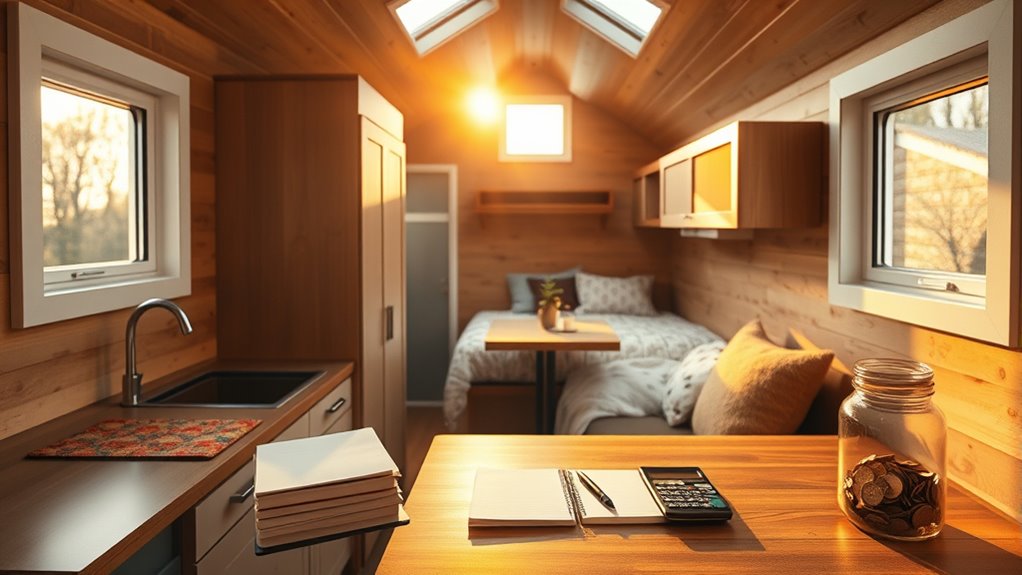
As with building a house on shifting sands, many tiny-home owners overlook the true costs that can quietly accumulate. While the purchase price may seem manageable, hidden expenses like renewable energy setups, permits, ongoing maintenance, and unexpected repairs can catch you off guard. Understanding these often-forgotten costs is vital to keeping your tiny-house dream sustainable and affordable—yet they’re rarely part of the initial budget conversation. So, what should you really be prepared for?
Key Takeaways
- Include installation, permit, and initial setup costs for renewable energy and water systems in your budget.
- Account for ongoing maintenance, repairs, and potential upgrades to avoid unexpected expenses.
- Research local zoning, permit fees, and insurance costs to ensure legal compliance and financial planning.
- Budget for multi-purpose furniture, storage solutions, and regular upkeep to maintain safety and functionality.
- Consider transportation costs, such as vehicle maintenance and gear, essential for mobility and errands.

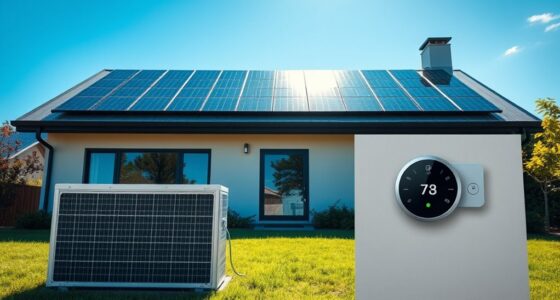
Living in a tiny house can be an affordable and freeing lifestyle choice, but it still requires careful budgeting. While your initial expenses might be lower than a traditional home, there are ongoing costs that often go unnoticed. One of these is the setup for sustainable energy sources, like solar energy. Installing solar panels can seem like a straightforward way to cut electricity bills, but the upfront costs, including purchase, installation, and possible permits, can add up quickly. Plus, you’ll need to budget for maintenance and potential upgrades over time. To make solar energy truly cost-effective, consider community sharing options, where multiple tiny house owners team up to share the cost of larger, more efficient solar systems. This not only reduces individual expenses but also fosters a sense of community and resource sharing, making sustainable living more accessible.
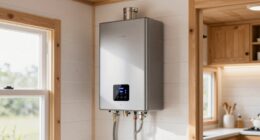
Beyond energy, many tiny house dwellers overlook the costs associated with water and waste management. If your tiny home isn’t connected to municipal services, you might need to invest in water catchment systems, graywater recycling, or composting toilets. These systems have initial setup costs and ongoing maintenance, but they can considerably reduce your utility bills in the long run. It’s important to factor these expenses into your budget from the start, rather than assuming they’ll be negligible.
Water and waste systems have initial costs but can significantly lower utility bills long-term.
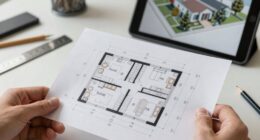
Another often-forgotten cost involves insurance and permits. While tiny homes are generally less expensive to insure than traditional houses, policies can vary widely depending on location and the type of home. Some areas may require permits or zoning approvals that come with fees, and failure to secure these can lead to fines or relocation costs. It’s wise to research local regulations thoroughly and include permit costs in your budget planning.
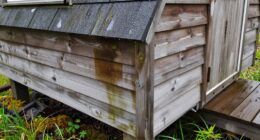
Additionally, don’t forget about the costs of furnishing and maintaining your tiny home. Smaller spaces mean you’ll need to choose multi-purpose furniture and be diligent about storage solutions. Over time, wear and tear will happen, so setting aside a budget for repairs, upgrades, or even unexpected expenses is essential. Also, understanding your tire pressure for any bikes or transportation equipment used around your tiny home can help you maintain safety and efficiency, especially if you rely on bikes for errands. The key is to stay flexible and realistic about these costs, ensuring they don’t derail your financial plan.
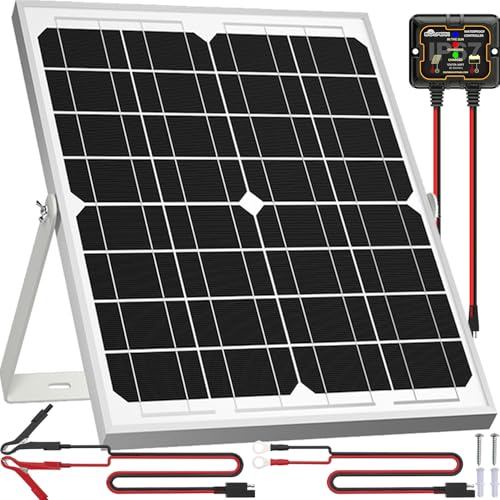
SOLPERK Solar Panel Kit 20W 12V, Waterproof Solar Battery Trickle Charger Maintainer + Smart MPPT Controller + Adjustable Mount Bracket for Boat Car RV Motorcycle Marine Automotive
【High Conversion Rate】This 20W solar panel with monocrystalline A+ solar cell has an excellent cell efficiency of 21%-30%….
As an affiliate, we earn on qualifying purchases.
As an affiliate, we earn on qualifying purchases.
Conclusion
By accounting for all these often-overlooked expenses, you’ll avoid financial surprises that could turn your tiny dream into a tiny nightmare. Remember, neglecting costs like energy, water, insurance, or repairs isn’t just a small mistake—it’s like throwing your hard-earned savings into a black hole. Stay vigilant and plan thoroughly; your sustainable, affordable tiny-house lifestyle depends on it. With careful budgeting, you’ll enjoy a worry-free adventure in tiny living that’s as smooth as silk.
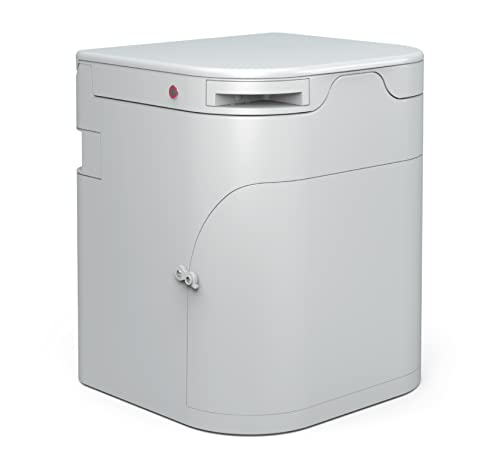
OGO Origin Composting Toilet – 12V Electric Agitator, Urine Diverting RV Toilet for Van Life, Tiny Home & Boat – 15" Compact, Odorless Off-Grid Toilet, No Black Tank
SMALLEST FOOTPRINT FOR TIGHT BUILDS (15"x16") Designed for Sprinter/Transit vans, tiny homes & boats where space is everything….
As an affiliate, we earn on qualifying purchases.
As an affiliate, we earn on qualifying purchases.
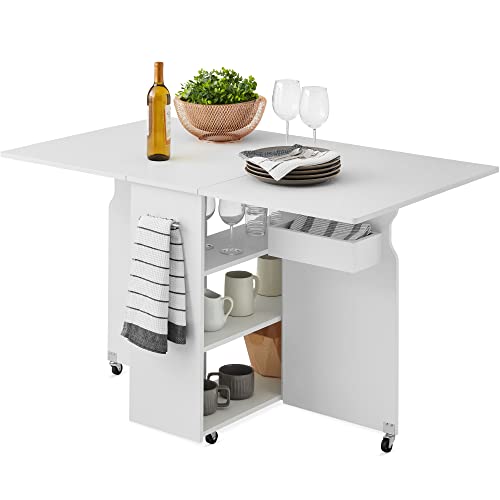
Best Choice Products Folding Dining Table, Multipurpose Space Saving Collapsible Drop Leaf Extension Desk w/Wheels, 3 Storage Shelves – White
MULTIPURPOSE TABLE: This versatile furniture piece can serve as a dining table, office desk, side or entry table,…
As an affiliate, we earn on qualifying purchases.
As an affiliate, we earn on qualifying purchases.

Underground Water Collection System, Low Profile For Catch Basin Kit with Flexible Pipe for Effective Use
【Low Profile Design】This catch basin offers a low profile design, allowing for easy installation without deep digging. It…
As an affiliate, we earn on qualifying purchases.
As an affiliate, we earn on qualifying purchases.