
The tiny house movement keeps growing because more people are looking for sustainable, affordable ways to live simply. Tiny homes minimize environmental impact by reducing energy use, waste, and material consumption. Their flexible design and portability let you explore new places and create a lifestyle focused on experiences rather than possessions. If you continue exploring, you’ll discover how this movement can transform your approach to living and connect you with a community dedicated to mindful living.
Key Takeaways
- Increasing awareness of environmental impact drives demand for sustainable, eco-friendly living options like tiny houses.
- Rising housing costs push individuals toward affordable, minimalist alternatives that offer financial freedom.
- The desire for mobility and lifestyle flexibility encourages people to adopt tiny house living.
- Minimalist principles appeal to those seeking simplicity, decluttering, and mental clarity.
- Innovative design and functionality maximize small spaces, making tiny homes a practical, comfortable choice.

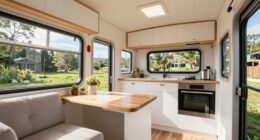
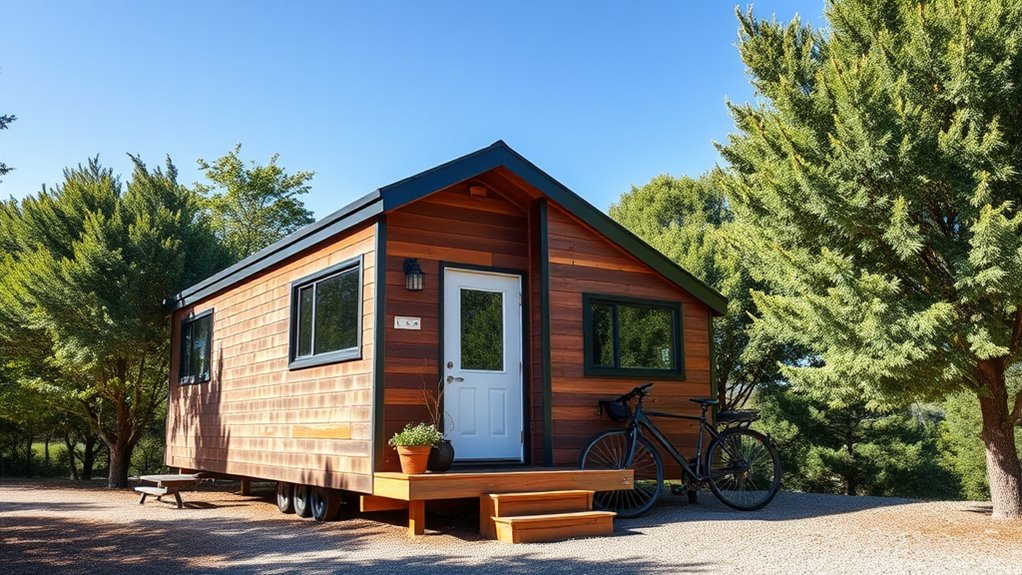
Have you ever wondered if you could live comfortably in less space? The tiny house movement has gained significant momentum in recent years, driven by a desire for sustainable living and a minimalist lifestyle. More people are realizing that owning more doesn’t necessarily mean living better. Instead, many are seeking simplicity, reduced expenses, and a smaller environmental footprint, making tiny houses an appealing solution. These small dwellings often range from 100 to 400 square feet, but their design and functionality maximize every inch, proving that less can be more. You might be surprised by how much you can live comfortably and happily in such a compact space.
Living comfortably in a tiny home proves less is more, blending sustainability with minimalist living.
One of the key reasons the tiny house movement continues to grow is because it aligns with the ideals of sustainable living. With a smaller footprint, you use fewer building materials, consume less energy, and generate less waste. Tiny houses often incorporate eco-friendly features like solar panels, composting toilets, and efficient insulation, enabling you to reduce your carbon footprint significantly. This sustainable approach attracts individuals who are committed to protecting the environment and want to make a tangible difference. It’s not just about cutting costs; it’s about creating a lifestyle that’s in harmony with nature. Plus, the affordability of tiny houses allows you to downsize debt and live more intentionally, freeing you from the financial burdens that come with traditional homeownership.
Adopting a minimalist lifestyle is a natural extension of choosing a tiny house. When you have limited space, you’re forced to prioritize what truly matters—quality over quantity. This shift encourages you to declutter and focus on experiences rather than possessions. Living with less means you’re less tied down to material things and can dedicate more time and energy to pursuits that bring genuine fulfillment. The simplicity of a tiny house fosters a sense of freedom and clarity, allowing you to live intentionally and avoid the chaos of excessive consumption. Many find that this minimalist approach leads to a more meaningful life, with less stress and more room for personal growth. Incorporating multi-functionality into your furniture and design choices further maximizes space and usability, making tiny living even more practical and enjoyable.
Furthermore, the mobility of tiny houses appeals to those seeking flexibility. You can often move your home to different locations, explore new environments, or settle in a community that shares your values. This mobility, combined with the minimal maintenance required, makes tiny house living practical and appealing. It’s a lifestyle that encourages self-sufficiency, creativity, and a deeper connection to the world around you. As more people recognize these benefits, the tiny house movement’s popularity continues to expand, proving that living well doesn’t require a lot of space. Instead, it’s about making intentional choices that align with your values and your desire for a more sustainable, minimalist life.

Poen 8'' Solar Light up Fairy House Garden 6-8 Fairy Figures Garden Accessories Kit Animals Doll House Decor Outdoor Micro Landscape Ornaments(Purple)
Enchanting Garden Kit: the kit comes packed with 50 meticulously designed garden accessories of varying styles and hues,…
As an affiliate, we earn on qualifying purchases.
As an affiliate, we earn on qualifying purchases.
Frequently Asked Questions
How Affordable Are Tiny Houses Compared to Traditional Homes?
Tiny houses are generally much more affordable than traditional homes. You’ll find the cost comparison favors tiny homes because they have lower purchase prices, reduced utility bills, and less maintenance costs. This offers significant savings potential over time. You can save money upfront and enjoy ongoing financial benefits, making tiny houses an attractive, budget-friendly option if you’re looking to cut costs without sacrificing comfort or mobility.
What Are Common Challenges Faced When Living in a Tiny House?
Living in a tiny house means you’ll face space limitations that can feel restrictive, especially when trying to store everything comfortably. Utilities management also becomes a challenge, as you need efficient systems for water, electricity, and waste. However, with creative organization and smart technology, you can overcome these obstacles. Embrace multifunctional furniture and eco-friendly solutions to make your tiny home functional and cozy, despite its small size.
How Do Zoning Laws Impact Tiny House Placements?
Zoning laws substantially impact where you can place your tiny house. Zoning restrictions often limit land use options, making it difficult to find suitable locations. Local ordinances may prohibit tiny houses on certain lots or require specific building codes, creating hurdles for your plans. To navigate this, you need to research local regulations carefully and work with authorities to find compliant land use solutions that allow your tiny house to be situated legally.
Are Tiny Houses Suitable for Families or Only Singles?
You might be surprised, but tiny houses can suit families too. While they’re often seen as ideal for singles, your family’s unique dynamics and space requirements matter. With smart design and organization, you can create a cozy, functional home that fits your needs. It’s all about maximizing every inch, making tiny living a viable option for families seeking simplicity without sacrificing comfort or connection.
What Financing Options Are Available for Tiny House Buyers?
You can find tiny house loans through specialized lenders, personal loans, or RV financing options. While financing challenges exist due to traditional lenders’ hesitations, exploring these alternatives can help you secure funding. Be prepared to demonstrate your ability to repay and have a solid plan. With some research and persistence, you’ll navigate tiny house loans effectively and turn your tiny home dream into reality.
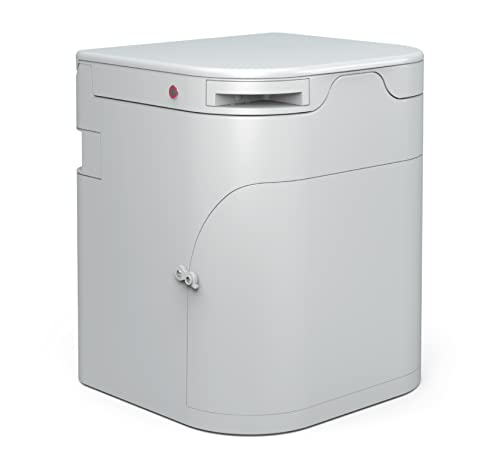
OGO Origin Composting Toilet – 12V Electric Agitator, Urine Diverting RV Toilet for Van Life, Tiny Home & Boat – 15" Compact, Odorless Off-Grid Toilet, No Black Tank
SMALLEST FOOTPRINT FOR TIGHT BUILDS (15"x16") Designed for Sprinter/Transit vans, tiny homes & boats where space is everything….
As an affiliate, we earn on qualifying purchases.
As an affiliate, we earn on qualifying purchases.
Conclusion
As you consider the tiny house movement, it’s clear that its growth isn’t just about saving money or space. Many believe it reflects a deeper desire for simplicity and sustainability, challenging the way society views success. By embracing tiny living, you’re not just shrinking your home—you’re potentially expanding your freedom and environmental impact. So, next time you think about downsizing, remember: this movement might just be a glimpse into a more mindful, intentional way of life.
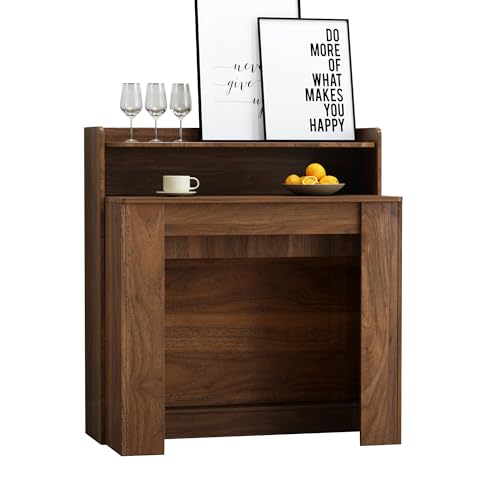
HOMBIX Transformer Table, Expandable Dining Table for 2-9 People, Folding Console Table Space Saving Furniture for Small Apartments, Walnut
Features 4 removable extension leaves (36.61" x 19.59" each), allowing the table to expand from a compact 20.67"…
As an affiliate, we earn on qualifying purchases.
As an affiliate, we earn on qualifying purchases.
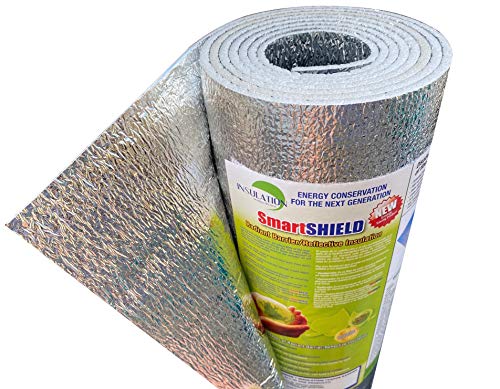
INSULATION MARKETPLACE SmartSHIELD -3mm 16inx10Ft ReflectiveINSULATION roll, Foam Core Radiant Barrier, ThermalINSULATION Shield – Engineered Foil
EXTREMELY EFFECTIVE – reflect 95% of radiant energy, perfect RADIANT BARRIER.
As an affiliate, we earn on qualifying purchases.
As an affiliate, we earn on qualifying purchases.