Tracking your energy savings in tiny homes helps you monitor solar panel output, identify peak production times, and see how your insulation choices impact heating and cooling. By using energy meters or smart apps, you can spot patterns and adjust routines to maximize efficiency. Regularly reviewing this data keeps you informed about your home’s performance and savings. If you want to discover more ways to optimize your tiny home’s energy use, keep exploring these strategies.
Key Takeaways
- Use energy meters and smart devices to monitor real-time energy consumption and solar production data.
- Regularly analyze energy data to identify patterns and optimize appliance usage during peak solar hours.
- Track changes in insulation performance and retrofit as needed to improve overall energy efficiency.
- Record and compare energy savings over time to evaluate the effectiveness of insulation and solar upgrades.
- Utilize energy management tools and resources to make informed decisions and maintain long-term savings.
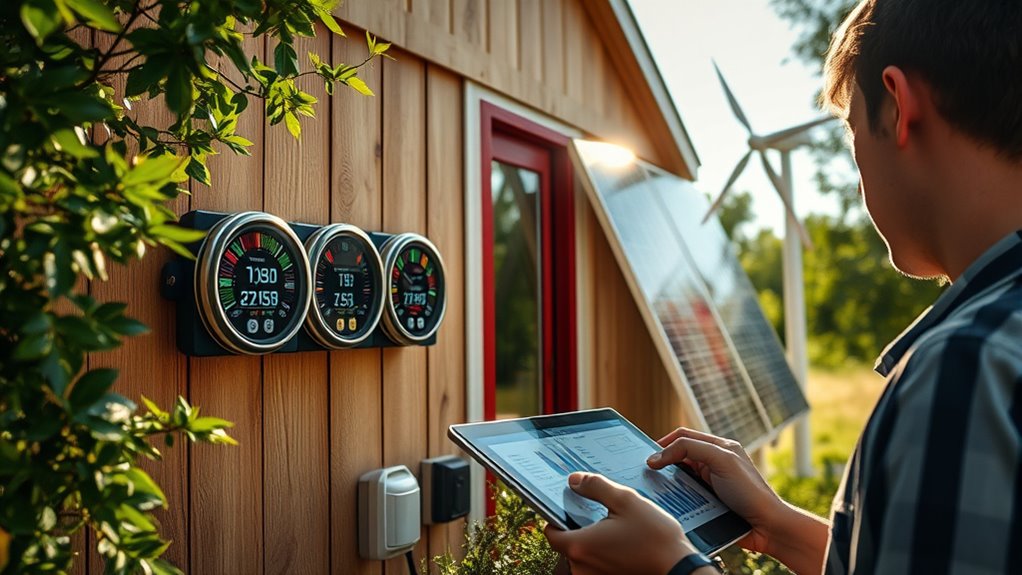
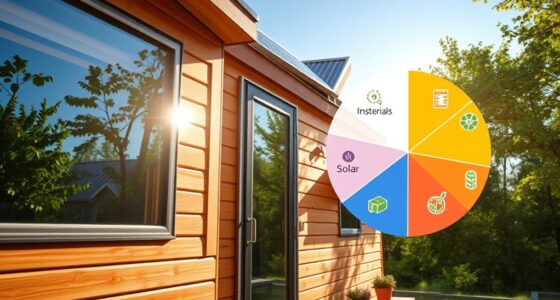
Have you ever wondered how tiny homes truly save energy over time? One of the main reasons is their thoughtful design and strategic features, like solar panels and insulation techniques, which work together to maximize efficiency. Solar panels are a game-changer in tiny homes since they allow you to generate your own electricity, reducing reliance on the grid and lowering energy bills. Depending on your energy needs, installing a well-sized solar system can offset a substantial portion of your power consumption. Monitoring the output of your solar panels helps you understand how much energy you’re producing daily and whether your system meets your needs. Over time, tracking these figures shows how your investment in solar technology pays off and can help you optimize usage, like shifting high-energy activities to sunny hours.
Tracking solar output helps optimize energy use and maximize savings in your tiny home.
Alongside solar panels, insulation techniques play a crucial role in energy conservation. Tiny homes, by their very nature, have less space to heat or cool, but they also lose heat quickly if not properly insulated. Quality insulation keeps your home warmer in winter and cooler in summer, markedly reducing the need for heating and cooling systems to work overtime. Modern insulation techniques involve using spray foam, rigid foam boards, or eco-friendly materials that seal gaps and prevent air leaks. When you pay attention to how well your home retains temperature, you can adjust your insulation or sealing methods as needed. Regularly inspecting and upgrading insulation ensures your tiny home remains energy-efficient year-round. Additionally, proper insulation can improve overall comfort and indoor air quality.
Tracking energy savings isn’t just about installing solar panels or insulation; it’s about actively monitoring your consumption and production. Using energy meters, smart thermostats, or apps connected to your solar system allows you to see real-time data on your energy use. This information helps you identify patterns, such as times when your home consumes the most power or when your solar panels operate at peak efficiency. With this knowledge, you can make smarter choices—like running appliances during peak sunlight hours or adjusting your thermostat to minimize energy waste. Over time, these habits, combined with efficient insulation, result in noticeable savings and a smaller environmental footprint.
Ultimately, tracking your energy savings requires consistent attention and a willingness to adapt. As you learn how your tiny home performs, you’ll find ways to improve energy efficiency further. Whether it’s upgrading insulation, optimizing solar panel use, or adjusting daily routines, being proactive ensures your tiny home remains a sustainable, cost-effective dwelling for years to come. Incorporating energy management tools can further enhance your ability to maximize efficiency and savings.
Top picks for "track energy saving"
Open Amazon search results for this keyword.
As an affiliate, we earn on qualifying purchases.
Frequently Asked Questions
How Accurate Are Energy Savings Measurements in Tiny Homes?
Energy savings measurements in tiny homes can be quite accurate if you conduct a thorough energy audit and use reliable measurement tools. The accuracy depends on how well you track your energy consumption before and after upgrades. Keep in mind, measurement accuracy may vary with equipment quality and consistency. By regularly monitoring your energy use and performing detailed audits, you guarantee your savings are correctly tracked and reflect real improvements.
What Tools Are Best for Tracking Tiny Home Energy Use?
Imagine holding a tiny, glowing device that shows your energy use in real-time. That’s exactly what smart meters and mobile apps do. They give you instant insights into your tiny home’s energy consumption, helping you identify waste and save more. These tools are user-friendly, accurate, and ideal for small spaces. With them, you can effortlessly monitor your energy, making sustainability simple and enjoyable.
Can Energy Savings Data Influence Tiny Home Resale Value?
Yes, energy savings data can influence your tiny home’s resale value by highlighting your energy investment’s benefits. When you show potential buyers that your home has lower utility bills and improved efficiency, it boosts its appeal and resale impact. Demonstrating your commitment to sustainability and cost savings makes your tiny home more attractive, potentially increasing its market value and helping you secure a better sale price.
How Do Seasonal Changes Affect Energy Tracking Results?
Seasonal variability and weather impact substantially influence your energy tracking results. During colder months, you might see higher energy consumption due to heating needs, while warmer seasons could reduce your energy use. These fluctuations make it important to take seasonal changes into account when analyzing your data, ensuring you account for weather impact. By doing so, you’ll gain a clearer understanding of your tiny home’s true energy efficiency across different times of the year.
Are There Privacy Concerns With Monitoring Energy Consumption?
Privacy concerns prevail when monitoring energy consumption, as data security becomes a vital factor. You might worry about who accesses your information or how it’s used. To protect your privacy, make sure your energy data is securely stored and only shared with trusted parties. Clear policies and robust encryption help mitigate privacy concerns, giving you peace of mind while tracking energy savings. Always stay informed about your data rights and security measures.
Conclusion
By tracking your tiny home’s energy savings, you turn your space into a well-tuned machine, humming efficiently and saving you money. Monitoring your usage is like having a compass guiding you toward greener choices and lower bills. Stay attentive and adjust as needed—your tiny home can become a shining example of sustainable living. With each data point, you’re weaving a brighter, more energy-conscious future, proving that even small spaces can make a big impact.