If you’re choosing between a trailer, cabin, or boat tiny home, consider your priorities for mobility, sustainability, and nature connection. Trailers offer lightweight, flexible living with eco-friendly options like solar panels and rainwater harvesting. Cabins provide a cozy, stable environment built with natural materials for long-term stays. Boats create a water-based lifestyle perfect for exploration and adventure. Each has unique benefits, and exploring further will help you find the best fit for your eco-conscious lifestyle.
Key Takeaways
- Trailers offer high mobility and flexibility for exploring different locations, while cabins prioritize permanence and stability.
- Boats provide water-based mobility, enabling exploration of aquatic environments, unlike trailers and cabins.
- All three options can incorporate eco friendly materials and renewable energy systems for sustainable living.
- Trailers are ideal for off-grid, spontaneous living due to lightweight design; cabins suit long-term, stable residence.
- The choice depends on desired mobility, connection to nature, and commitment to sustainability goals.
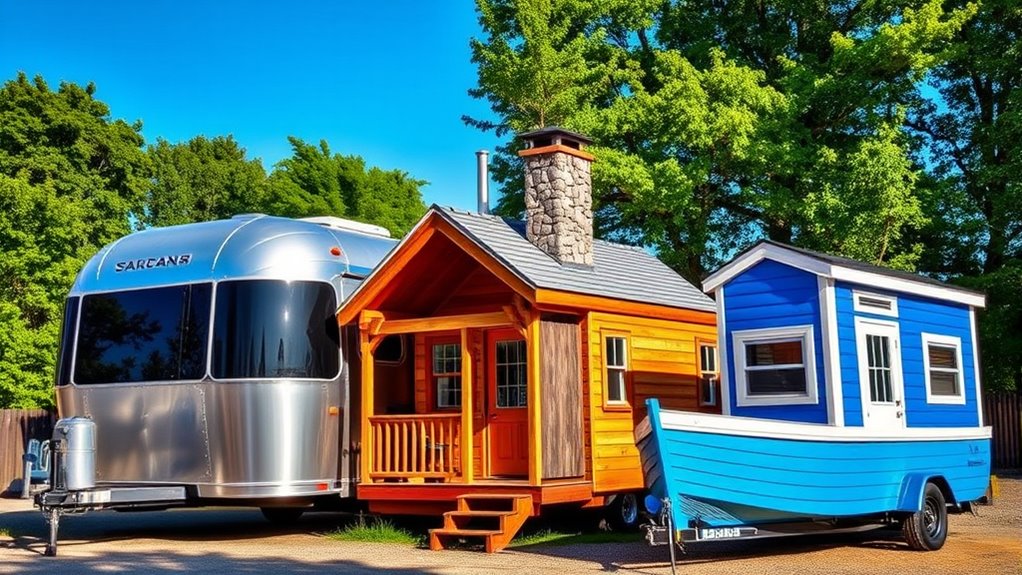
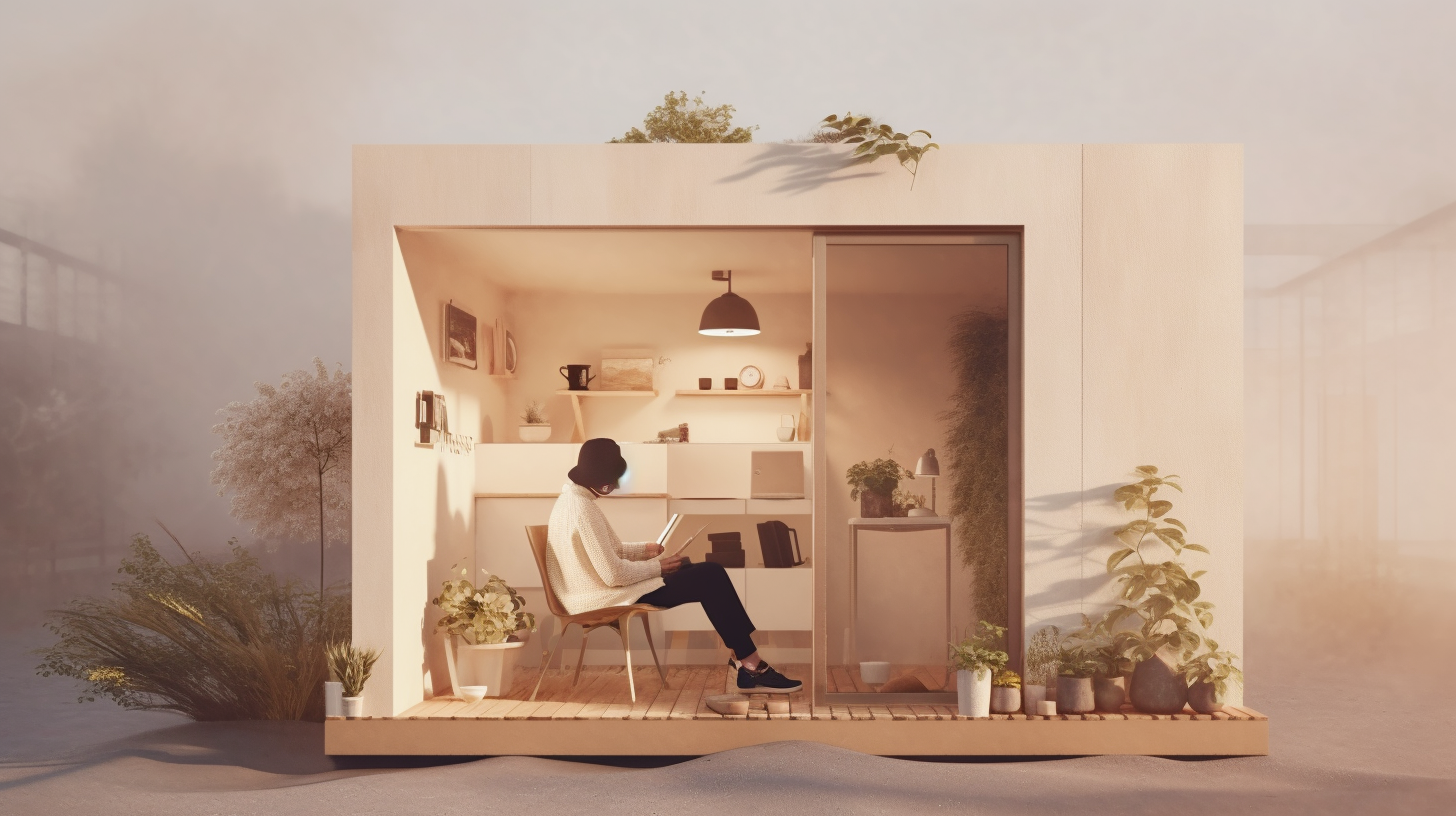
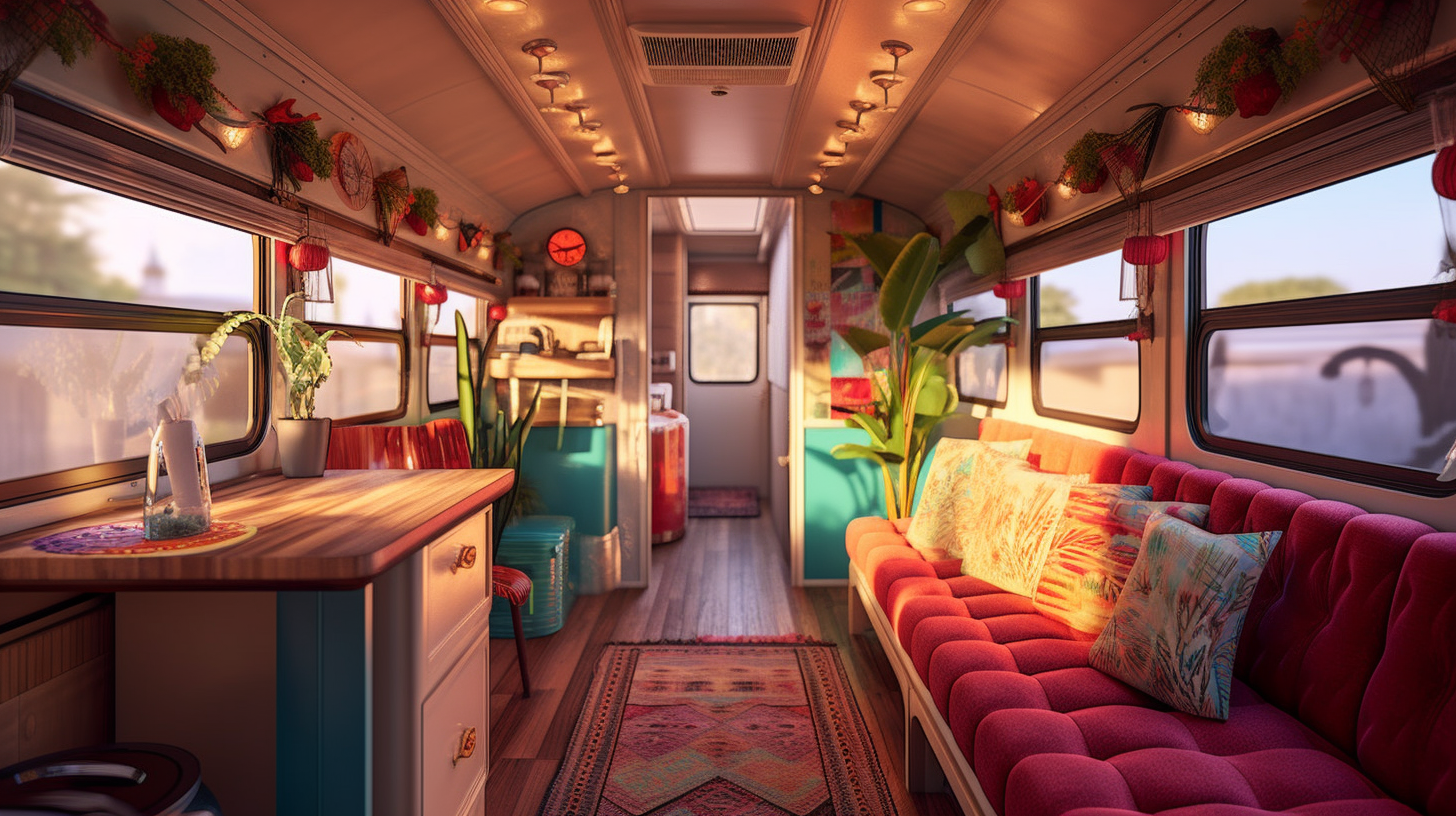
Have you ever wondered which tiny home suits your lifestyle best—trailer, cabin, or boat? Choosing the right one depends on your priorities, especially if you’re passionate about off grid living and sustainability. Trailers are often the most mobile option, making them perfect if you want to explore different locations or live spontaneously. They’re designed to be lightweight and easy to tow, and many models are now built with eco friendly materials, allowing you to reduce your carbon footprint. If independence from traditional utilities appeals to you, trailers can be outfitted with solar panels, composting toilets, and rainwater collection systems, turning them into self-sufficient homes. This off grid living setup not only minimizes environmental impact but also grants you the freedom to live sustainably, even in remote areas.
Trailers offer mobility, eco friendly features, and off grid independence for sustainable, spontaneous living.
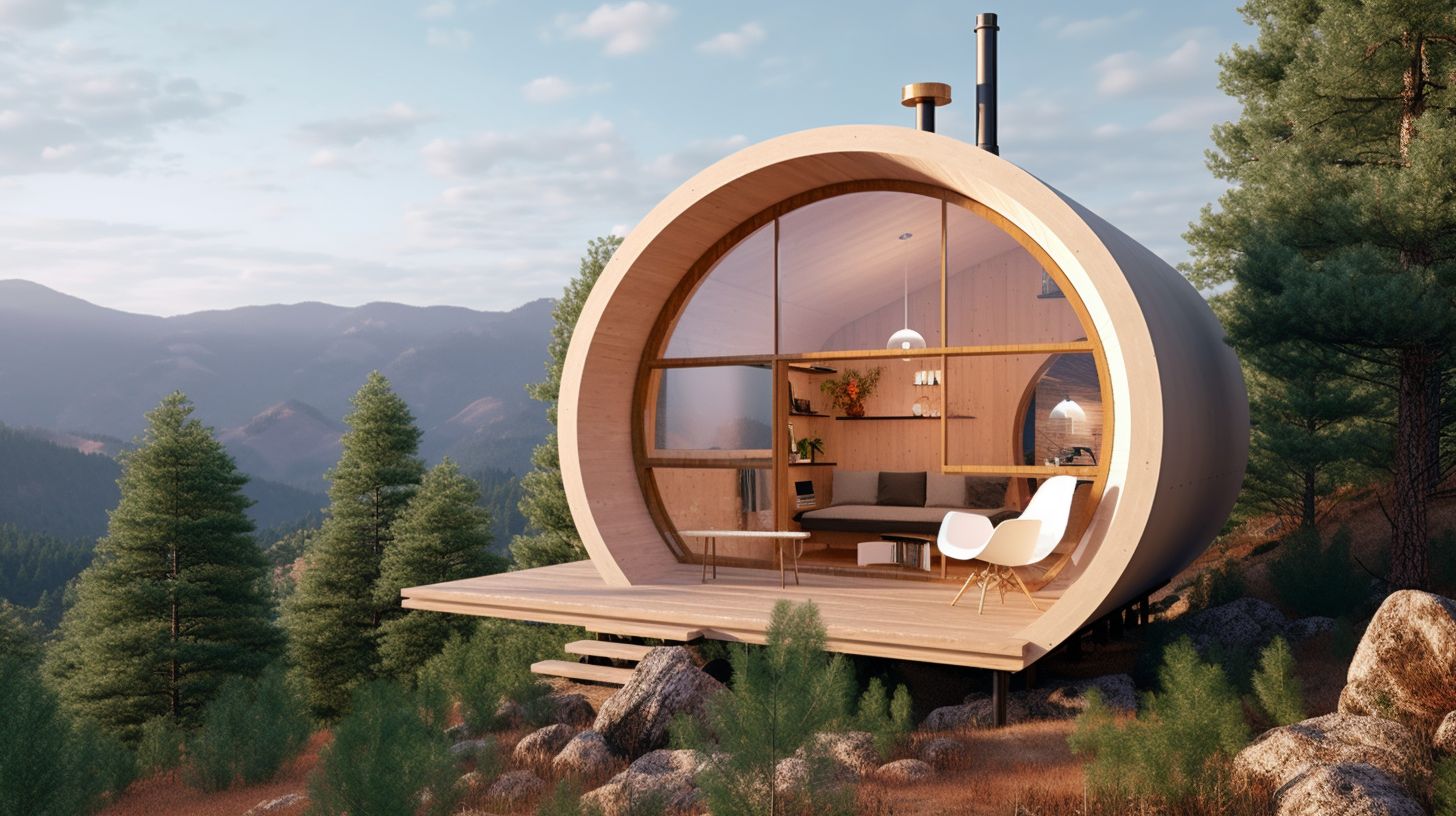
In contrast, cabins tend to emphasize comfort and permanence. They’re usually built with natural, eco friendly materials like reclaimed wood, straw bale insulation, or recycled steel, which helps lower their environmental impact. A cabin offers a cozy, rustic atmosphere that’s perfect if you envision a more stable, long-term home in nature. Many cabin builders focus on sustainable practices, ensuring your home blends seamlessly into the environment while reducing your ecological footprint. The durability of a cabin also means you can enjoy off grid living without sacrificing insulation or energy efficiency, especially if you incorporate solar power, wood stoves, and rainwater harvesting. While less mobile than trailers, cabins provide a reliable base for sustainable living, giving you the opportunity to cultivate a homestead and connect deeply with your surroundings.
Boats, on the other hand, offer a unique twist on tiny living that combines mobility with a connection to water. If you love the idea of living on water, a boat tiny home could be your ideal choice. Many boat owners retrofit their vessels using eco friendly materials and energy-efficient systems, making off grid living on water more accessible and sustainable. Solar panels, wind turbines, and water filtration systems can help you generate power and manage waste responsibly. Living on a boat means you’re constantly on the move, exploring different waters and environments, which appeals if adventure and flexibility are high priorities. Plus, boats naturally incorporate off grid living features, like composting toilets and rainwater collection, helping you reduce your environmental impact while enjoying a unique lifestyle. Each option offers distinct advantages, but if sustainability and eco friendliness are at the top of your list, you’ll find that all three can be adapted to minimize ecological impact, provided you choose eco friendly materials and renewable energy solutions. Additionally, staying informed about legislative changes related to off grid living can help you make smarter choices for your tiny home.
Ultimately, your decision hinges on how much mobility you want, your connection to nature, and your commitment to sustainable living. Whether you opt for the portability of a trailer, the cozy permanence of a cabin, or the adventurous spirit of a boat, each tiny home can be tailored to support an eco friendly lifestyle that aligns with your values.
Frequently Asked Questions
Which Tiny Home Type Offers the Best Insulation?
You’ll find that cabin tiny homes generally offer the best insulation because they use high-quality insulation materials like spray foam or fiberglass, which boost thermal efficiency. These materials help keep your space warm in winter and cool in summer. Trailers and boats often have less insulation due to space constraints and different design priorities, so if insulation and thermal efficiency are your main concerns, a cabin tiny home is the best choice.
How Do Zoning Laws Impact Tiny Home Placement?
Zoning laws greatly impact where you can place your tiny home. Zoning restrictions often dictate land use, limiting tiny homes to specific areas like RV parks or designated tiny home communities. You might face setbacks, size limits, or even restrictions on permanent residency. Before you move, check local zoning laws to make sure your tiny home complies, avoiding fines or removal. Understanding these regulations helps you find the best placement without legal hurdles.
Are Boat Tiny Homes Suitable for Permanent Living?
Boat tiny homes can be suitable for permanent living if you prioritize maritime safety and comply with waterway regulations. You need to guarantee your boat is properly equipped and maintained to meet safety standards, and you must adhere to local waterway laws that may restrict permanent residence on certain waters. Planning ahead and understanding these rules helps you enjoy a sustainable, floating home lifestyle without legal or safety issues.
What Are the Maintenance Costs for Each Tiny Home Type?
Did you know that boat tiny homes can have maintenance costs averaging 10-15% higher annually? You’ll find that trailer homes typically cost less to maintain due to simpler durability factors, averaging around $500-$1,000 per year. Cabin tiny homes, with their sturdy materials, tend to cost $1,000-$2,000 annually. Your choice depends on balancing initial costs and long-term maintenance, with trailers generally offering the most affordable upkeep.
Can Trailer Tiny Homes Be Easily Relocated?
Yes, trailer tiny homes can be easily relocated thanks to their portable design and structural durability. You can move them with a standard vehicle, making it simple to change locations or go on adventures. Their lightweight, durable frames ensure they withstand transportation without damage. This flexibility allows you to enjoy your tiny home in different settings, providing convenience and freedom that other types may lack.
Conclusion
Think of choosing your tiny home like selecting the perfect vessel for a journey. A trailer is your nimble sailboat, swift and mobile; a cabin is a sturdy steamboat, cozy and grounded; a boat offers adventure on open waters. Each has its own charm and purpose, guiding you toward your ideal voyage. Whichever you pick, remember, it’s your vessel—ready to carry you toward a simpler, more fulfilling life on the open sea of possibilities.