

To create an effective windbreak, plant dense, hardy trees in multiple staggered rows aligned with the prevailing wind direction. Choose species suited for your climate that grow quickly, have deep roots, and dense foliage. Proper spacing guarantees continuous coverage without competition. Regular pruning maintains tree health and density, enhancing their wind resistance. With thoughtful planning and ongoing care, your trees will effectively shield your property from harsh winds. Keep exploring for more tips to optimize your wind protection strategy.
Key Takeaways
- Select hardy, dense, native trees suited to the local climate for effective windbreaks.
- Arrange trees in multiple staggered rows, ensuring proper spacing for continuous coverage.
- Plant trees with deep roots and multiple stems to resist windthrow and enhance durability.
- Regularly prune and maintain trees to sustain dense foliage and structural integrity.
- Design windbreaks considering prevailing wind direction, protected area size, and available planting space.

Planting trees for wind protection can substantially reduce the impact of strong gusts on your property. To maximize their effectiveness, it’s essential to think carefully about windbreak design and tree species selection. A well-designed windbreak acts as a barrier, slowing the wind and lessening its force before it reaches your home, garden, or livestock areas. When planning your windbreak, consider factors such as the prevailing wind direction, the size of the area you want to protect, and the space available for planting. A staggered or layered arrangement often works best, combining different heights and densities to create a more effective barrier. The goal is to break up wind flow gradually, reducing turbulence and the overall force of the gusts.
Choosing the right tree species is equally important. You want trees that are hardy, fast-growing, and capable of withstanding local climate conditions. Opt for species that develop dense foliage or multiple stems, as these features enhance wind resistance and provide a sturdier barrier. You should also select trees with deep root systems, which help prevent windthrow—where trees are uprooted during storms—and ensure longevity. Native species are generally preferable because they are adapted to your area’s soil and weather conditions, making them more likely to thrive and require less maintenance. When selecting trees, avoid species that grow too tall and sparse or have brittle branches, as these can become hazards during storms.
It’s advisable to plant trees in multiple rows, especially if you’re establishing a large windbreak. The first row should act as a primary shield, with subsequent rows adding density and further reducing wind speed. Proper spacing is vital; plant trees close enough to form a continuous barrier but not so tight that they compete for resources. Pruning and maintenance also play key roles—they keep trees healthy and dense, ensuring the windbreak remains effective over time. Regularly check for damaged or diseased branches and remove them promptly to maintain structural integrity.
Incorporating these principles—smart windbreak design and careful tree species selection—can turn your planting project into a resilient shield against harsh winds. Additionally, understanding curiosity about your environment can guide you in selecting the most suitable tree species and design strategies. With thoughtful planning and ongoing care, your trees will not only protect your property but also enhance its landscape and ecological health. The right combination of design and species choice guarantees that your windbreak provides lasting protection, making your outdoor space safer and more comfortable during stormy weather.
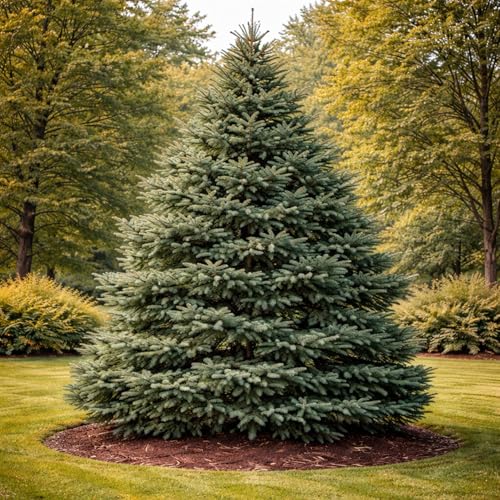
Black Hills Spruce Live Tree Plants (Picea glauca ‘Densata’) – Hardy Evergreen Privacy Tree – Cold Tolerant Conical Spruce – Dense Windbreak & Landscape Tree – Rooted Sapling Plant (1 Tree)
🌲 Dense Evergreen Privacy Tree: Forms a thick, symmetrical conical shape with rich blue-green needles, perfect for natural…
As an affiliate, we earn on qualifying purchases.
As an affiliate, we earn on qualifying purchases.
Frequently Asked Questions
What Are the Best Tree Species for Windbreaks?
You should choose evergreen species like pine, spruce, or cedar for windbreaks because they provide year-round protection. Deciduous options such as poplar or willow can also be effective, especially if you want to allow sunlight in during winter. Mixing evergreen and deciduous trees creates a diverse, resilient windbreak that shields your property from strong winds effectively while offering seasonal benefits.
How High Should Trees Be When Planting for Wind Protection?
Think of your windbreak as a fortress; it needs strong, tall walls. For effective wind protection, aim for trees that reach at least 6 to 8 feet when planting, following planting guidelines that guarantee sturdy growth. Taller trees create a more formidable barrier, so choose species that grow quickly and reach ideal height early on. Keep in mind, well-placed, mature trees will shield your land like a protective shield.
How Long Does It Take for Trees to Establish as Effective Windbreaks?
You can expect trees to establish as effective windbreaks within 3 to 5 years, depending on growth timeline and planting considerations. Fast-growing species like poplars or willows may take less time, while slower-growing trees need more patience. Proper planting considerations, such as spacing and soil health, are vital for quicker establishment. Regular maintenance and ensuring adequate watering will also help your windbreak become effective sooner.
Can Existing Trees Be Used for Wind Protection Instead of Planting New Ones?
You can definitely rely on existing trees for wind protection. Start with an existing tree assessment to determine their health, density, and placement. Well-established trees with dense foliage and extensive root systems offer good wind protection. Keep in mind, their effectiveness depends on size, species, and location. Proper maintenance and strategic pruning can enhance their wind protection effectiveness, making them a practical solution without needing new plantings.
What Maintenance Is Required for Windbreak Trees?
Think of your windbreak trees as guardians in a classic tale—they need regular care. You should perform tree pruning to maintain their shape and health, ensuring they effectively block wind. Additionally, pest control is essential; keep an eye out for pests that can weaken or damage the trees. Regular watering, mulching, and monitoring help maintain a strong, healthy windbreak that stands tall against harsh weather.

Hybrid Willow Tree Plants for Growing | Fast Privacy Hedge Row, Wind Block, Shade | Fast Growing – 12 Feet Per Year, Fast Growing Trees (24 Trees)
🌲 FAST GROWING TREES: Austree Hybrid plants grow fast at rate of 12 feet per year with maximum…
As an affiliate, we earn on qualifying purchases.
As an affiliate, we earn on qualifying purchases.
Conclusion
Planting trees for wind protection is a smart move, but the true test begins once they grow tall enough to shield your space. Will these saplings withstand harsh storms or thrive against the odds? As you nurture them, remember that their resilience depends on your care. The future of your windbreak remains uncertain, holding the promise of peace or challenges ahead. Stay committed—what unfolds next could transform your landscape forever.
native hardy trees for wind protection
As an affiliate, we earn on qualifying purchases.
As an affiliate, we earn on qualifying purchases.
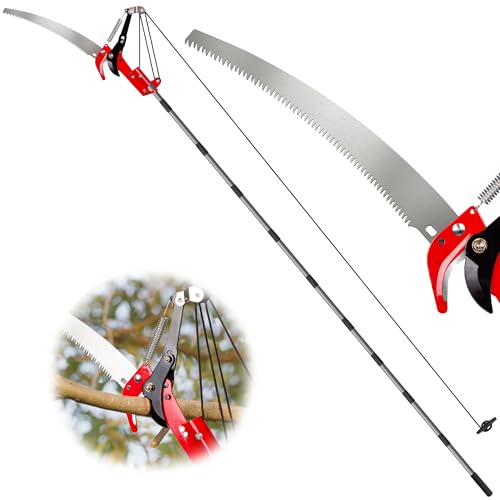
Suchtale Manual Pole Saw, Pruning Saw, Tree Pruner with Steel Blade & Scissors, Tree Trimmer for High Branches,Palms and Shrubs, 14FT Extendable Long Handle Limb Cutter, Yard Garden Branch Trimming
2-in-1 Saw & Pruner for High Branches: This manual pole saw combines a sharp steel saw blade for…
As an affiliate, we earn on qualifying purchases.
As an affiliate, we earn on qualifying purchases.