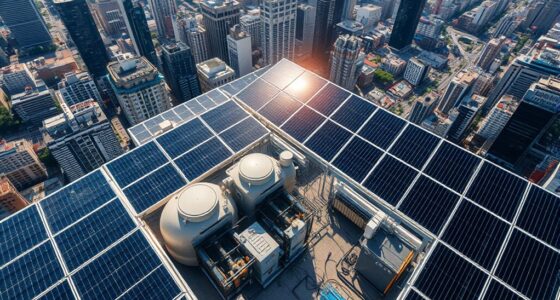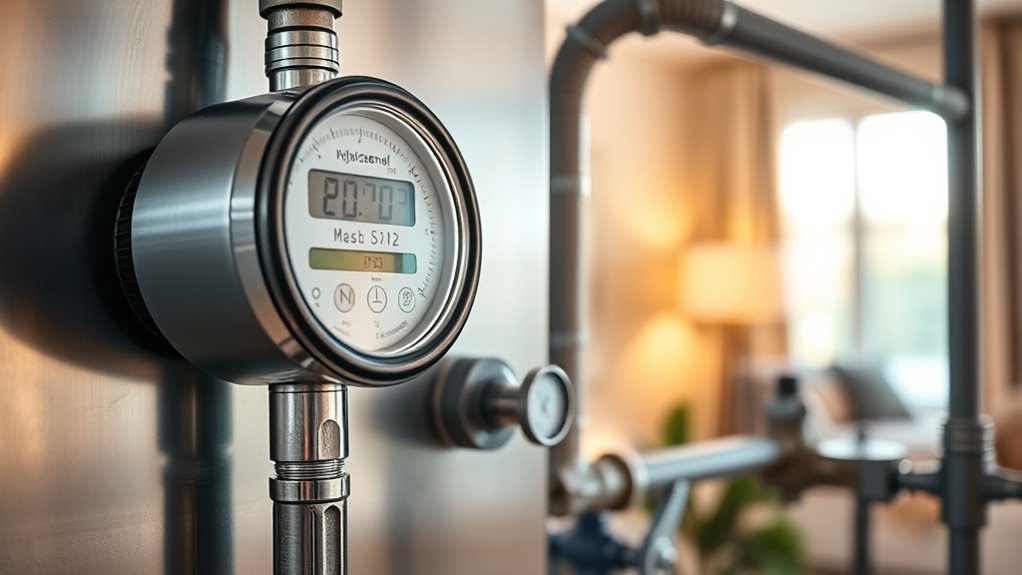

As a homeowner, you might have heard about blending hydrogen into natural gas pipelines, but what does that mean for you? This process aims to reduce carbon emissions while keeping your energy supply reliable. However, questions about safety, appliance compatibility, and future changes may come to mind. Understanding how hydrogen blending affects your household can help you stay prepared as this progression develops. Here’s what you need to know to stay informed and safe.

Get compact home essentials delivered free with Prime
- Fast, free delivery on millions of items
- Prime Video, Amazon Music and more included
- Member-only deals all year
Key Takeaways
- Small hydrogen blends (up to 20%) are safe for most existing appliances and infrastructure with proper testing and regulation.
- Utility companies monitor and manage hydrogen levels carefully to ensure safe gas delivery to homes.
- Homeowners should stay informed about safety updates and follow guidelines provided by utility providers.
- Current regulations limit hydrogen concentration, and ongoing infrastructure improvements aim to increase blending safely.
- Hydrogen blending reduces carbon emissions, offering a cleaner energy option without compromising gas service reliability.
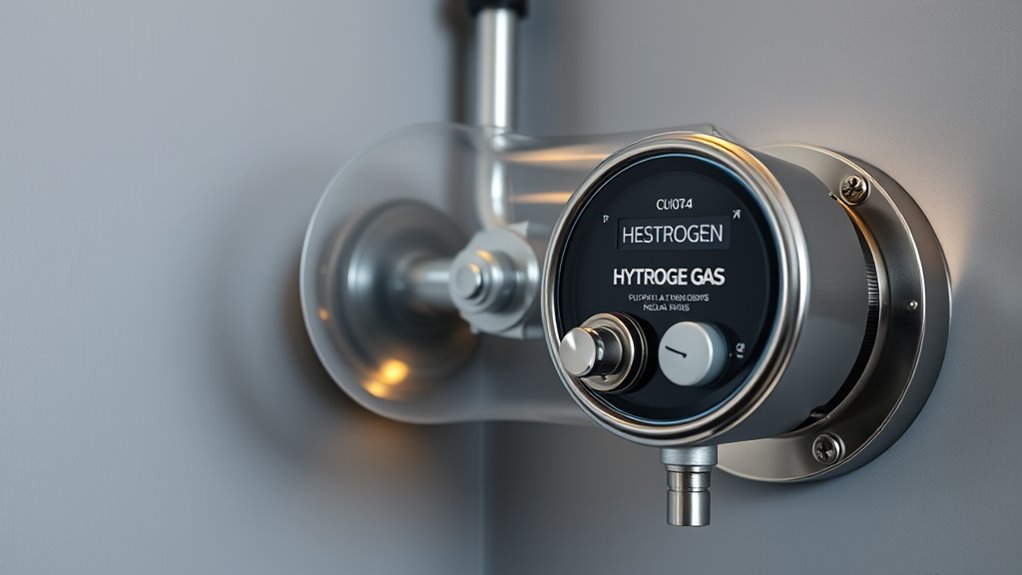
Hydrogen blending in natural gas grids is emerging as a promising strategy to reduce carbon emissions and facilitate the shift to cleaner energy sources. As a homeowner, understanding how this process impacts your gas supply is important. When hydrogen is added to natural gas, it’s typically done through existing gas infrastructure, which includes pipelines, meters, and appliances. This method allows for a smoother transition to low-carbon energy without overhauling the entire system. However, safety remains a top priority. Gas infrastructure is designed to handle specific types of gases, and regulations are in place to ensure safe operation during the blending process. These safety regulations specify limits on hydrogen concentration, monitoring protocols, and maintenance requirements to prevent leaks or other hazards.
You should be aware that blending hydrogen into existing pipelines doesn’t mean your appliances will change immediately. Most modern appliances are compatible with small hydrogen mixes, usually up to 20%, without requiring modifications. Still, manufacturers and regulators closely monitor these blends to ensure safety and performance. In regions adopting hydrogen blending, utility companies often conduct thorough testing to verify that the gas delivered to your home remains safe and effective for cooking, heating, and hot water. It’s also essential to note that safety regulations govern how blending is carried out, including strict standards for pipeline integrity, leak detection, and emergency response procedures. These regulations are designed to minimize risks and protect residents from potential leaks or other safety issues.
While the concept sounds promising, it’s natural to have concerns about safety and reliability. Rest assured, extensive research and strict enforcement of safety regulations help ensure that hydrogen blending maintains the safety of your gas supply. Utility providers are responsible for managing these blends carefully, and they keep you informed about any changes that might impact your service. Additionally, ongoing improvements in gas infrastructure aim to accommodate higher hydrogen levels safely in the future, paving the way for a cleaner energy grid. As a homeowner, your role is mainly to stay aware of any updates from your utility provider and follow safety advice. With proper regulation and careful management, hydrogen blending can be a safe and effective way to reduce your carbon footprint while still enjoying reliable gas service.
hydrogen compatible gas appliances
As an affiliate, we earn on qualifying purchases.
As an affiliate, we earn on qualifying purchases.
Conclusion
By now, you should know that blending up to 20% hydrogen into your natural gas is a safe way to cut carbon emissions. Did you know that this small change can reduce greenhouse gases by up to 10%? As utility companies continue upgrading infrastructure, you’ll see safer, cleaner energy in your home. Staying informed and following safety guidelines guarantees you enjoy eco-friendly gas while helping protect the environment for future generations.
Columbus Day / Indigenous Peoples' Day Picks
long weekend sales
As an affiliate, we earn on qualifying purchases.