To register your tiny house as property, start by checking local zoning laws and building codes to guarantee it’s allowed as a permanent residence. Then, contact your city or county planning or tax assessor’s office to understand registration options and tax implications. You’ll need to get the right permits, classify your tiny house correctly, and register it as real estate or personal property as required. If you want detailed steps and tips, continue exploring how to navigate each step smoothly.

Get compact home essentials delivered free — and shop member deals
- Fast, free delivery on millions of items
- Access to Prime Big Deal Days deals on October 6–7
- Prime Video, Amazon Music and more included
Key Takeaways
- Verify local zoning laws to ensure permanent tiny house placement is permitted.
- Determine if your tiny house qualifies as real property or personal property based on its classification.
- Register the tiny house with local authorities, such as the county assessor or tax office, following their procedures.
- Obtain necessary permits or approvals for permanent residence, including building and occupancy permits.
- Ensure proper documentation and registration to establish legal ownership and assess property taxes accordingly.

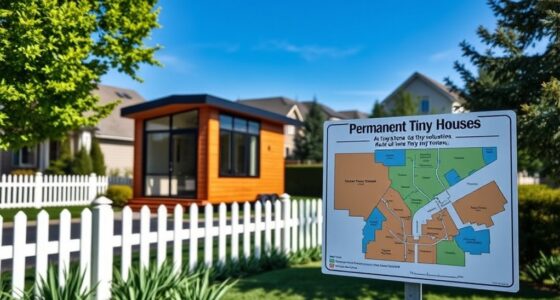
Registering a tiny house as property can seem complicated, but understanding the process makes it manageable. The first step is to research local zoning regulations, which vary widely depending on where you plan to place your tiny house. Zoning laws determine whether a tiny house can be used as a permanent residence, how it must be constructed, and where it can be situated on a property. Some areas may have strict restrictions or require special permits, while others are more accommodating. To avoid surprises later, start by visiting your city or county’s planning department or checking their website to understand the specific zoning codes that apply to tiny houses. Knowing these rules upfront helps you plan accordingly and ensures your tiny house complies with local regulations.
Once you confirm that your chosen location allows for a tiny house, you’ll need to consider how registering it as property affects your property taxes. In many regions, once your tiny house is officially registered and connected to utilities, it becomes subject to property taxes just like a traditional home. These taxes are based on the assessed value of the property and can vary considerably. Keep in mind that some jurisdictions may classify tiny houses differently, especially if they’re on wheels or considered RVs. In such cases, they might not be taxed as real property but instead fall under vehicle or personal property taxes. To avoid unexpected tax bills, check with your local tax assessor’s office about how tiny houses are classified and taxed in your area. Understanding this helps you plan your budget and ensures you’re compliant with local tax laws. Additionally, understanding the best options for registering your tiny house can help streamline the process and ensure full legal compliance.
As an affiliate, we earn on qualifying purchases.
Frequently Asked Questions
Can I Register a Tiny House as a Rental Property?
Yes, you can register a tiny house as a rental property. By establishing clear property ownership, you can list your tiny house for tiny house rentals, attracting tenants interested in affordable, unique living spaces. Make sure to verify local regulations and zoning laws to guarantee compliance. Proper registration will help you manage your property legally and maximize your rental income.
What Are the Zoning Laws for Tiny Houses in Different States?
Zoning restrictions and land use laws vary by state, so you need to verify local ordinances before placing your tiny house. Some states have specific regulations for tiny houses, allowing them as accessory dwelling units or in designated tiny house communities. Others may have strict zoning laws that limit their placement. Always consult local zoning boards or land use authorities to ensure your tiny house complies with state and city regulations before moving forward.
How Do I Ensure My Tiny House Qualifies for Property Tax Exemptions?
To make your tiny house a tax-friendly haven, start by understanding your local tax assessment process. Make certain your tiny house meets exemption eligibility criteria, like permanent residence and proper zoning. Keep detailed records and consult your local tax authority or assessor’s office to verify all requirements are met. Staying informed and proactive helps you qualify for property tax exemptions, saving you money and making your tiny home more financially sustainable.
Are There Specific Building Codes for Tiny Houses in My Locality?
You should check your locality’s building codes and zoning regulations to see if tiny houses are permitted. Many areas have specific building standards for tiny homes, including size, foundation, and safety features. Zoning laws might restrict where you can place your tiny house or require special permits. Contact your local building department or planning office to get accurate, up-to-date information and verify your tiny house complies with all regulations.
What Insurance Options Are Available for Permanent Tiny House Residences?
You can find several insurance options for your permanent tiny house, including specialized tiny house insurance policies, which offer tailored coverage. Look for policies that provide all-encompassing insurance coverage and liability protection to safeguard your property and assets. You might also consider homeowner’s or renter’s insurance, depending on your situation. Comparing quotes from different providers ensures you get the best coverage for your tiny house, giving you peace of mind.
Conclusion
Remember, Rome wasn’t built in a day, and registering your tiny house as property takes patience and persistence. Stay organized, follow the proper procedures, and don’t rush the process. By doing so, you’ll turn your tiny house dream into a permanent reality. Keep in mind that success often comes to those who keep pushing forward, even when the road gets tough. Stick with it, and soon enough, you’ll be calling your tiny house your forever home.
Fall Picks
fall essentials
As an affiliate, we earn on qualifying purchases.