Transform your tiny house side yard into a productive, stylish space by stacking plants vertically with trellises for vegetables like beans and peas, and planting compact fruit bushes such as blueberries. Choose native herbs and flowering plants to attract pollinators and wildlife, which also enhances the garden’s beauty. Group plants by sunlight needs, and plan for easy maintenance. For more tips on maximizing your space and creating a wildlife-friendly, sustainable landscape, keep exploring these ideas.
Key Takeaways
- Utilize vertical gardening with trellises and wall-mounted planters to maximize limited space.
- Incorporate native herbs and flowering plants to attract pollinators and enhance the landscape’s beauty.
- Select climate-appropriate, low-maintenance edible plants like small fruit bushes and compact vegetables.
- Arrange taller plants at the back or along edges to prevent shading smaller, sun-loving crops.
- Design for accessibility and aesthetic appeal, blending functionality with visual interest in small yards.

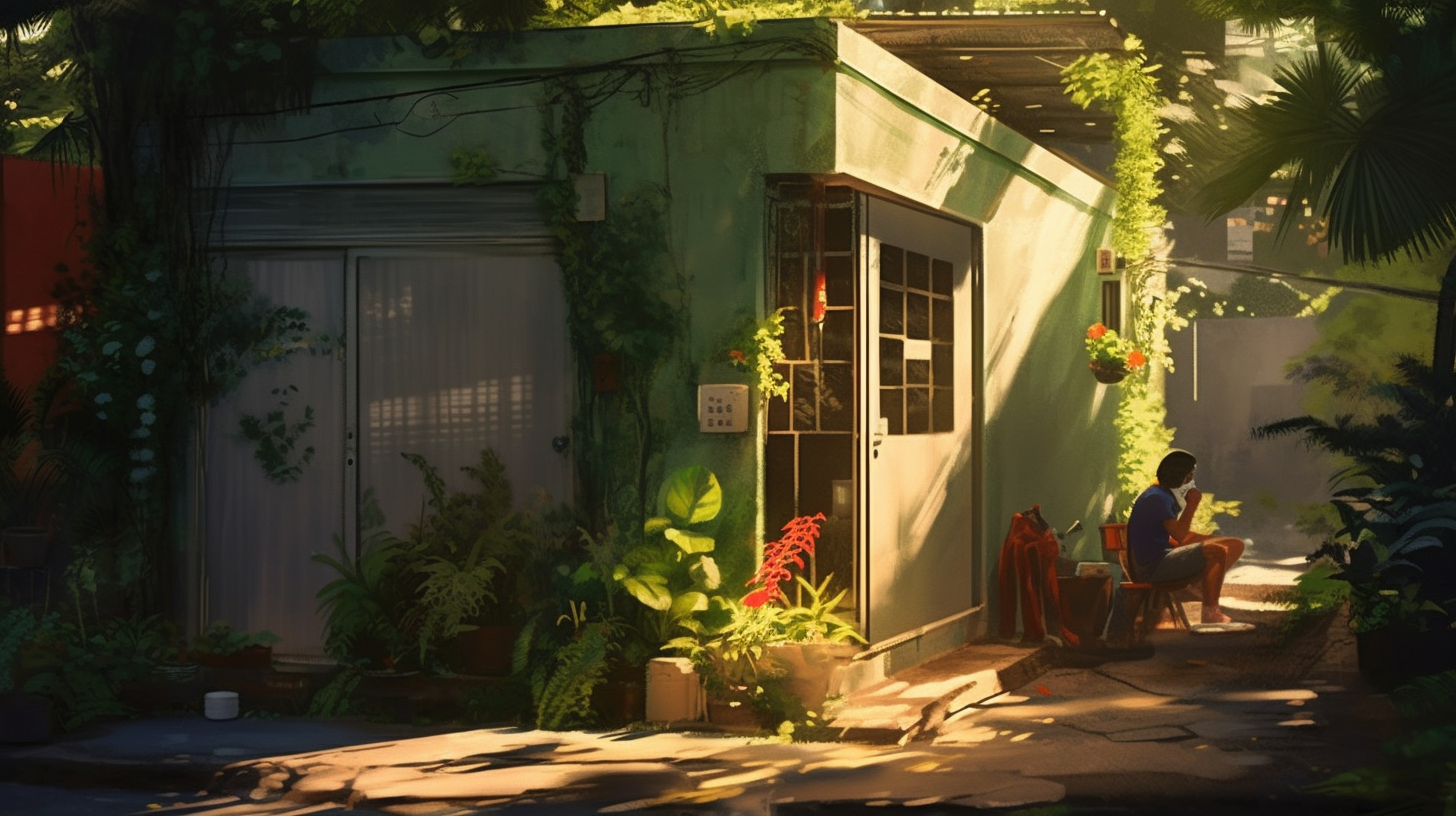
If you have a tiny house and limited yard space, transforming your side yard into an edible landscape can be both practical and rewarding. With smart garden design, you can maximize every inch of your yard while creating a lush, productive space. Instead of leaving your side yard barren or cluttered, incorporate a mix of edible plants that serve dual purposes: nourishment and aesthetic appeal. Consider stacking your plants vertically with trellises or wall-mounted planters to save ground space. Climbing vegetables like beans, peas, or even small squash can grow upward, freeing up room for other plants. Incorporate compact fruit bushes such as blueberries or raspberries that don’t spread out too much but still provide fruitful harvests. You’ll find that a well-thought-out garden design makes your yard functional and inviting, without sacrificing style.
Beyond just growing food, your edible landscape can also attract local wildlife, adding a lively, natural element to your yard. Planting native herbs like lavender, thyme, or bee balm encourages pollinators like bees and butterflies, which are essential for healthy plant growth and maintaining local ecosystems. Incorporate flowering plants alongside your vegetables and fruits to create a vibrant habitat that attracts beneficial insects and birds. For example, planting sunflower seeds or native berry-producing shrubs can draw songbirds and pollinators, enriching your yard with movement and song. By thoughtfully selecting plants that appeal to wildlife, you create a balanced ecosystem that supports both your edible garden and the local environment.
In addition, choose plants that thrive in your specific climate and soil conditions, which reduces the need for excessive watering or chemical interventions. This sustainable approach not only benefits the environment but also makes your gardening easier and more cost-effective. Use mulching and companion planting techniques to improve soil health and deter pests naturally, further enhancing your garden’s productivity. Keep in mind that the key to a successful edible landscape in a tiny yard is strategic placement—group plants with similar needs and arrange taller plants at the back or along the edges to prevent shading smaller ones. This organized garden design ensures each plant gets enough sunlight and airflow, promoting healthy growth.
vertical garden trellis for vegetables
As an affiliate, we earn on qualifying purchases.
As an affiliate, we earn on qualifying purchases.
Frequently Asked Questions
What Are the Best Soil Types for Edible Plants in Small Yards?
You should focus on well-draining, nutrient-rich soil types like loam or sandy loam for edible plants in small yards. Start with composting techniques to enrich your soil and improve fertility. Regular soil testing helps you monitor pH and nutrient levels, ensuring the best growing conditions. By maintaining healthy soil, your edible plants will thrive, even in limited space, creating a productive and sustainable tiny yard landscape.
How Can I Maximize Space for Edible Landscaping in a Tiny Yard?
Ever wonder how to make every inch of your tiny yard work for you? You can maximize space by using vertical gardening, like wall planters or trellises, and by practicing companion planting to boost growth and naturally deter pests. Incorporate layered planting strategies, mixing herbs and vegetables, to create a productive, compact landscape. This approach not only saves space but also enhances pest control, making your tiny yard both functional and bountiful.
Are There Low-Maintenance Edible Plants Suitable for Small Yards?
Yes, there are low-maintenance edible plants perfect for small yards. You can try herbs like thyme, oregano, and mint, which thrive with minimal care. Companion planting helps these plants grow stronger and naturally ward off pests, reducing your need for pest control. Additionally, strawberries and kale are resilient and easy to care for, making them ideal choices for tiny spaces. They add flavor and beauty without demanding much effort.
How Do I Ensure Proper Drainage for Edible Plants in Tiny Yards?
To guarantee proper drainage, start by elevating your planting beds slightly and use well-draining soil mixes. Incorporate rainwater harvesting to prevent overwatering and improve soil health. Regularly employ composting techniques to enrich the soil, enhancing drainage and plant growth. Avoid overwatering by monitoring moisture levels and adjusting your watering schedule accordingly. These steps help prevent waterlogging and create a healthy environment for your edible plants.
What Are the Local Regulations for Planting Edible Landscaping?
You should check local regulations for planting edible landscaping by consulting your city’s zoning laws and homeowner association rules. Some areas have restrictions on garden design, especially regarding certain plants or structures. Also, consider pest management guidelines to protect your edible plants. Staying informed guarantees your garden complies with regulations and remains healthy, so review local ordinances or contact municipal offices for specific rules related to edible landscaping in tiny yard spaces.
Conclusion
By incorporating edible plants into your tiny house side yard, you’re not only beautifying your space but also nourishing yourself with fresh, homegrown produce. Some believe this practice boosts mental well-being and fosters a deeper connection to nature—a theory supported by studies on the benefits of gardening. So, go ahead, experiment with herbs, berries, or veggies. Your tiny yard might just become the most rewarding part of your home, proving that small spaces can yield big benefits.